
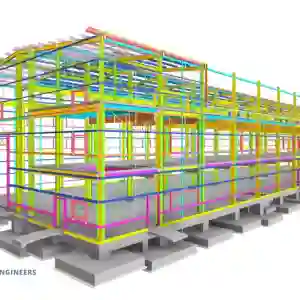
Choosing the right Revit Architecture course in Dubai can make a big difference for your career — whether you are a fresh architecture graduate, an experienced designer looking to upskill, or an MEP or structural professional wanting better BIM coordination skills. Dubai’s market is competitive and fast moving, so picking a course that matches local industry expectations, provides hands-on experience, and leads to recognised certification is essential. Below is a practical, Dubai-focused guide to help you evaluate options and make a confident decision. I also mention bin ally as one of the local support options that people sometimes work with when planning training and career steps.
Why Revit matters in Dubai right now
Revit is the de facto BIM platform used across architecture, structure, and MEP workflows worldwide. In Dubai, where projects are high value, complex, and often delivered on tight schedules, Revit skills are not just “nice to have” — they are expected on many job descriptions. Employers look for people who can model accurately, work in a federated BIM environment, produce coordinated drawings, and extract reliable schedules and quantities. Also, many local training providers and authorised centres offer KHDA-approved or Autodesk-aligned Revit courses that aim to meet employer needs in the UAE.
What to prioritise when choosing a Revit Architecture course
-
Course outcomes and alignment with your goals
Decide what you need the course to do for you. Are you learning Revit from scratch, aiming for Autodesk professional certification, or focusing on advanced family creation, phasing, and 4D/5D workflows? Courses vary from short introductions (20–40 hours) to professional programs and career bootcamps that include real project work. Pick a course whose stated outcomes directly match your career goal: entry level, BIM coordinator, or Revit power user. -
Accreditation and certification path
Look for training centres that are Autodesk-recognised or whose certificates are accepted by UAE employers and local authorities. Some institutes in Dubai advertise KHDA approval or provide exam preparation for Autodesk certifications. If your aim is a formal credential, confirm whether the course prepares you for the Autodesk Certified Professional or other industry exams. Autodesk’s certification page outlines the skills and recommended experience for certification; aiming for an accredited pathway will make your learning more credibleTrainer experience and industry background
A trainer’s curriculum knowledge is important, but experience on real projects in the UAE is even more valuable. Trainers who have delivered Revit on high-rise, hospitality, or mixed-use projects in Dubai understand local constraints (services routing in tight cores, façade complexities, MEP riser design) and can teach practical workarounds. Ask for trainer CVs, examples of projects they’ve worked on, and whether the course includes real UAE-style project exercises. -
Hands-on practice and lab access
Revit is a practical skill. The course should be heavy on hands-on sessions: modeling, family creation, worksharing, linking disciplines, clash-checking workflows (Navisworks or BIM 360), 4D simulations, and extracting schedules/BOQs. Verify lab access, software versions used (Revit 2024/2025), and whether you can keep project files after class for practice. -
Curriculum depth and modern BIM workflows
A good Revit Architecture course will cover modelling workflows, documentation, families, templates and standards, worksharing, linking with consultants, clash detection, and basic 4D/5D concepts. If you plan to work in multidisciplinary teams, look for modules that explain coordination with MEP and structural models, use of Navisworks or BIM 360, and standards like COBie or UAE/authority requirements. -
Course format and scheduling for Dubai life
Dubai professionals often need flexible schedules. Check if the provider offers evening classes, weekend batches, intensive bootcamps, or blended (online + in-class) options. Also consider language of instruction and class size — smaller cohorts often mean more personalised coaching. -
Portfolio, projects and post-course support
A course that helps you build a portfolio project — a fully modelled building with drawings, schedules, and coordination reports — is far more valuable than one that only runs through exercises. Also ask about post-course support: alumni groups, job referral assistance, and access to updated learning material. -
Cost versus value — not price alone
Revit courses in Dubai range widely in price. Higher fees do not always guarantee better learning, but extremely cheap courses may lack hands-on practice or experienced instructors. Evaluate cost against contact hours, lab resources, certification prospects, and career outcomes. -
Employer recognition and local reputation
Check whether local employers or consultancies recognise graduates from the institute. Many training centres list corporate clients or show employer testimonials. Local market reputation is a pragmatic way to assess whether the course will help your job search. Course reviewer lists and aggregator sites can help you compare options across Dubai. CourseTakers -
Practical extras: KHDA attestation, flexible payment, and visa support
If you need KHDA attestation for your certificate or instalment payment plans, ask the institute up front. For some learners (especially foreigners or students), these administrative details can be important.
Top types of Revit Architecture courses you’ll find in Dubai
-
Introductory/Beginner courses: 20–40 hours, focused on interface, basic modelling, sheets and documentation. Good for students and career switchers.
-
Professional/Advanced courses: 80–200+ hours, cover families, templates, worksharing, clash coordination, and intermediate BIM workflows. Often aimed at people seeking a job-ready skill set.
-
Certification preparation courses: specifically built to prepare you for Autodesk Certified Professional exams. These typically require prior hands-on experience and include mock exams. Autodesk
-
Specialist modules: Revit for Facades, Revit for Interior Fit-Outs, Revit Families, Revit for MEP or Structure — choose these if your role is niche.
-
Bootcamps and corporate training: intensive, employer-sponsored upskilling for teams working on live projects.
How to vet institutes in Dubai — a checklist you can use right away
-
Is the institute an Autodesk authorised training centre or does it advertise alignment with Autodesk standards? (helps for certification credibility). elegant-training.ae
-
Can they share sample training materials, a detailed syllabus, and a timetable?
-
Are instructors industry practitioners with UAE project experience? Ask for names and portfolios.
-
Do they provide KHDA-approved certificates or help with attestation if you need official proof? (important for some job applications).
-
Will you work on a complete project file and keep the project files for your portfolio?
-
What software versions are used and do they teach collaboration tools like Navisworks/BIM 360?
-
Is there a demo class or a trial session you can attend to evaluate teaching style? Many reputable centres offer a free demo. orbittraining.ae+1
-
What is the batch size and student to instructor ratio?
-
Are there alumni testimonials or employer endorsements?
-
What career support do they provide after course completion?
Comparing a few real options (how to interpret what you see)
Dubai has many vendors and training centres that offer Revit courses — from specialised BIM schools to general IT academies. When you compare them, map each institute against the checklist above. For example, some providers emphasise short KHDA-approved modules; others promote longer professional tracks with industry projects. Use aggregator lists to shortlist 3–4 options, then visit the centres or join their demo sessions to make a final call. CourseTakers+1
Practical tips for getting the most from your Revit course
-
Practice outside class: set aside weekly hours to rework lessons and build extra families. Revit proficiency comes from repetition.
-
Build a portfolio project: complete one end-to-end project (model, documentation, schedules) to show employers.
-
Learn collaboration tools: knowing how to federate models, run clash tests in Navisworks, or use BIM 360 sets you apart.
-
Follow UAE standards: ask your trainer how Revit projects in Dubai usually manage standards, approvals and handover packages.
-
Network with local BIM professionals: Dubai has active BIM user groups and LinkedIn communities — join them.
-
Keep software updated: new Revit versions include workflow improvements; staying current is a plus for employers.
How bin ally can fit into your Revit learning journey
bin ally (mentioned here as a local professional support option) can help in a few practical ways: career guidance for UAE market expectations, connecting learners with part-time project work, or advising on which course path matches your background. If you’re unsure whether to pursue a short intro or a full professional course, consultancies or training advisers like bin ally can help map a learning plan based on local job demand and project types in Dubai. (Note: always verify specific services and credentials directly with the company.)
Making the decision: sample timeline and budget expectations
-
If you are a beginner: expect a 1–3 month pathway — start with an introductory course (30–60 hours), followed by a professional module (another 60–120 hours) and ongoing portfolio work.
-
If you are experienced in AutoCAD or another BIM tool: a focused 40–80 hour professional Revit Architecture course plus project practice can be enough to move into BIM coordination roles.
-
Costs in Dubai: short courses can be a few hundred to a couple of thousand AED; comprehensive professional courses or career bootcamps may range higher. Always evaluate what’s included (labs, software access, certification exam fees, and post-course support) before judging price alone. Aggregator lists and institutes’ brochures can give current fee ranges. CourseTakers+1
After the course: how to present your Revit skills to Dubai employers
-
Showcase a complete project: include modeled views, sample sheets, schedules, and a short coordination report showing measured clashes resolved.
-
Mention collaboration tools: specify experience with Navisworks, BIM 360, or similar platforms.
-
Highlight local relevance: any UAE project-style exercise you completed (façade detail, tower core services, fit-out plan) is valuable.
-
Keep certifications on your CV: Autodesk certificates, KHDA-approved certificates, or recognised professional training badges help during shortlisting.
Final checklist before you enroll
-
Course outcomes match your career goals.
-
Trainer CVs and industry experience checked.
-
Hands-on project included and files retained.
-
Certification path and exam preparation are clear.
-
Positive reviews, employer recognition or demonstrable alumni outcomes.
-
Practical scheduling and fees acceptable for you.
-
Post-training support or job assistance available or at least referral networks exist.
Conclusion
Choosing the best Revit Architecture course in Dubai is about matching your learning style, career goals, and practical needs with a course that offers hands-on practice, relevant UAE project examples, and a pathway to recognised certification. Look beyond marketing language: vet the syllabus, meet the trainer, and insist on real project work and post-course outcomes. Use the checklist above when you evaluate providers, and consider local advisers such as bin ally if you want personalised guidance on routes and job market fit. With the right course and consistent practice, Revit can open the door to BIM coordination roles, design leadership, and more impactful contributions to Dubai’s ambitious construction projects.