





Transcranial magnetic stimulation is a major advancement in depression treatment. This FDA-approved therapy provides hope for people who have not responded to medications or cannot tolerate their side effects.
Understand TMS Technology
TMS uses magnetic pulses to stimulate specific brain regions involved in mood regulation. The technology is similar to magnetic resonance imaging (MRI) but focused on treatment rather than imaging. Magnetic pulses pass through the skull to reach targeted brain areas.
The prefrontal cortex, particularly on the left side, shows reduced activity in people with depression. TMS stimulates this area, increasing neural activity and improving mood regulation. Unlike medications that affect the entire body, TMS targets specific brain regions.
Sessions occur in outpatient settings without anesthesia or sedation. People remain awake and alert throughout treatment. The procedure is non-invasive, requiring no surgery or implanted devices.
How TMS Treatment Works
The Treatment Process
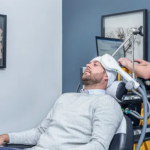
During TMS sessions, people sit in a comfortable chair. A magnetic coil positioned against the head delivers repetitive magnetic pulses. Each pulse creates a tapping sensation on the scalp and produces a clicking sound.
Most sessions last 20 to 40 minutes. Treatment courses typically involve daily sessions, five days weekly, for four to six weeks. The cumulative effect of repeated sessions creates lasting changes in brain function.
People can read, watch videos, or listen to music during sessions. No recovery time is needed afterward. Most people drive themselves to and from appointments and return immediately to normal activities.
Finding the Right Target
Before starting treatment, technicians measure head size and determine the optimal coil position. They identify the motor threshold, the stimulation level that causes finger movement, which helps calibrate treatment intensity for each person.
Precise positioning ensures magnetic pulses reach the intended brain area. Some newer TMS systems use brain imaging to guide coil placement, though standard positioning based on skull measurements works well for most people.
Stimulation Parameters
TMS protocols vary in pulse frequency, intensity, and pattern. High-frequency stimulation increases brain activity, while low-frequency decreases it. Treatment parameters are adjusted based on individual response and tolerance.
Most depression treatment uses high-frequency stimulation of the left prefrontal cortex. Some protocols also include low-frequency stimulation of the right prefrontal cortex.
Who Benefits from TMS
Treatment-Resistant Depression
TMS is FDA-approved for adults with major depression who have not responded adequately to at least one antidepressant trial. Many people come to TMS after trying multiple medications without sufficient relief.
Research shows that about 50 to 60% of people with treatment-resistant depression experience significant improvement with TMS. Approximately one-third achieve full remission, meaning depression symptoms resolve completely.
Medication Side Effects
Some people cannot tolerate antidepressant side effects. Sexual dysfunction, weight gain, or emotional blunting may be unacceptable. Others take medications for other conditions that interact poorly with antidepressants.
TMS provides an alternative that produces minimal side effects compared to medications. This makes it valuable for people who need depression treatment but cannot use standard medications.
Medication Concerns
Pregnancy, breastfeeding, or plans to become pregnant complicate medication decisions. While some antidepressants are relatively safe, many people prefer avoiding medication during these times when possible.
TMS offers a non-medication option. However, research on TMS use during pregnancy is limited, so decisions require careful consideration with providers.
Combining TMS with Other Treatments
With Medications
Many people continue antidepressant medications during TMS treatment. This combination can be more effective than either alone. Medications provide ongoing support while TMS creates additional improvement.
After successful TMS treatment, some people can reduce or discontinue medications under medical supervision. Others maintain medications to sustain benefits.
With Therapy
Combining TMS with psychotherapy optimizes outcomes. TMS reduces depression symptoms enough to make therapy more productive. Therapy provides skills for managing symptoms and preventing relapse.
This combination addresses both the biological and psychological aspects of depression. Contemporary Care and other integrated practices can coordinate TMS with ongoing therapy and medication management.
Lifestyle Factors
Exercise, sleep hygiene, stress management, and social connection support TMS effectiveness. These factors influence brain health and mood. Maintaining healthy habits during TMS treatment may improve results.
Side Effects & Safety
Common Side Effects
The most common side effect is scalp discomfort or pain at the stimulation site during and immediately after treatment. This usually decreases as people acclimate to the sensation. Over-the-counter pain relievers can help if needed.
Headaches occur in a huge number of people, typically mild and responding to standard headache medications. These often improve after the first week of treatment.
Some people experience facial twitching during stimulation. This results from magnetic pulses activating facial nerves. Adjusting coil position or stimulation intensity usually resolves this.
Serious Risks
Seizures are the most serious possible risk, occurring in less than 0.1% of treatments. Risk is highest in people with epilepsy, history of head injury, or other seizure risk factors. Careful screening identifies those at heightened risk.
TMS is contraindicated for people with certain metal implants in or near the head. Magnetic pulses could move or heat metal objects. Cochlear implants, aneurysm clips, and some other devices preclude TMS use. Dental fillings and orthodontic braces are safe.
Comparison to Other Treatments
TMS produces fewer side effects than most antidepressant medications. It does not cause weight gain, sexual dysfunction, or cognitive effects common with medications. Unlike electroconvulsive therapy, TMS does not cause seizures intentionally, requires no anesthesia, and does not impair memory.
Treatment Duration & Maintenance
Acute Treatment Phase
Initial treatment courses last four to six weeks with daily sessions. Improvement often begins during the third or fourth week, though some people respond earlier or later.
Full effects may not be apparent until after treatment ends. Brain changes from TMS continue developing for weeks following the last session.
Maintenance Treatment
After successful acute treatment, benefits can last months or longer. However, depression symptoms may eventually return. When this happens, additional TMS courses can restore improvement.
Some people receive periodic maintenance TMS sessions to sustain benefits. This might involve monthly or quarterly sessions rather than daily treatment. Insurance coverage for maintenance varies.
Insurance Coverage
Most insurance companies cover TMS for treatment-resistant depression when specific criteria are met. This typically includes failing at least one antidepressant trial and meeting diagnostic criteria for major depression.
Prior authorization is usually required. Providers submit documentation of previous treatments and current symptoms. Approval timelines vary by insurance company.
Some insurers limit covered sessions or require specific TMS protocols. Knowing coverage details beforehand prevents surprise costs.
Cost Considerations
Without insurance, TMS treatment can cost a huge amount on money for a full course. However, most people have insurance coverage after meeting authorization criteria.
Copays or coinsurance may still result in substantial out-of-pocket costs. Some clinics offer payment plans to make treatment more accessible.
Compared to ongoing medication costs and lost productivity from untreated depression, many people find TMS cost-effective, especially considering the possibility for lasting improvement.
What Research Shows
Multiple clinical trials demonstrate TMS effectiveness for depression. Studies show that TMS produces significant improvement in treatment-resistant depression with response rates of 50 to 60% and remission rates of 30 to 40%.
Benefits can last a year or longer for many people. Long-term follow-up studies show sustained improvement in those who respond to initial treatment.
Research continues exploring TMS for other conditions including anxiety disorders, obsessive-compulsive disorder, post-traumatic stress disorder, and certain chronic pain conditions. Results for these applications are promising but less established than for depression.
Newer TMS Protocols
Theta Burst Stimulation
This newer protocol delivers pulses in specific patterns that may work as well as standard TMS in less time. Sessions last three to ten minutes instead of 40 minutes. Treatment courses may be completed in two to three weeks.
Research shows theta burst stimulation produces similar outcomes to traditional protocols. Shorter sessions and treatment duration may improve accessibility and convenience.
Deep TMS
Standard TMS coils stimulate superficial brain regions. Deep TMS uses specially designed coils that reach deeper brain structures. This may benefit conditions involving deeper brain areas.
Studies show deep TMS effectiveness for depression comparable to standard TMS. The technology is FDA-approved and available at some centers.
Choosing a TMS Provider
Experience & Expertise
Look for providers with significant TMS experience. Ask how many patients they have treated and their success rates. Experienced providers better identify who will benefit and can troubleshoot problems that arise.
Facilities should have psychiatrists or other physicians overseeing treatment. Technicians should be trained specifically in TMS administration.
Treatment Environment
Visit the facility before committing to treatment. The environment should be comfortable and professional. Staff should answer questions thoroughly and make you feel informed about the process.
Medical Care
Facilities offering multiple treatment modalities can adjust approaches if TMS alone proves insufficient. Integrated practices provide therapy, medication management, and TMS under one roof, simplifying care coordination.
Setting Realistic Expectations
TMS helps many people but does not work for everyone. Most people do not respond significantly to initial treatment courses. Non-responders may try different protocols or parameters, but additional treatment does not guarantee improvement.
Even among responders, few experience complete elimination of all depressive symptoms. Most experience significant but not total improvement. Continuing medications or therapy after TMS often helps maintain and build on gains.
Taking the First Step
If you have struggled with depression despite medication trials, TMS may offer new hope. The first step involves consulting with a psychiatrist who can determine if TMS is appropriate for your situation.
The evaluation includes reviewing treatment history, current symptoms, medications, and medical history. If TMS seems suitable, the provider can help obtain insurance authorization and schedule treatment.
TMS is one of the most significant advances in depression treatment in decades. For people with treatment-resistant depression, it offers real hope for relief through a safe, well-tolerated procedure backed by substantial research evidence.
Contemporary Care in Connecticut offers TMS therapy for depression as part of their treatment options, integrating it with psychiatric care and psychotherapy for coordinated, responsive treatment of depression.