
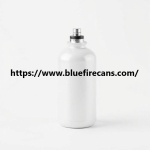

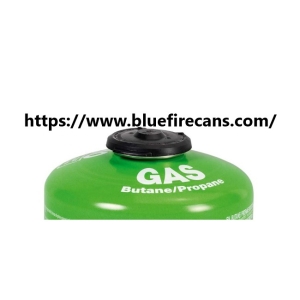

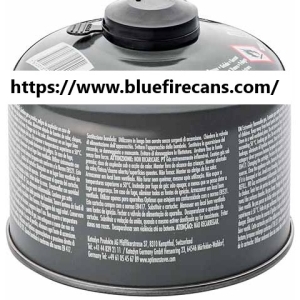
Start with a clear packing list when planning a short escape that includes cooking on the go. One practical fuel choice is the 450g Gas Canister which balances capacity and portability for brief outings. It holds enough fuel to cover several meals while remaining light enough to carry by hand or in a small pack. That blend of volume and weight makes it a sensible option for groups and solo travelers who value a steady cooking supply without excessive bulk.
A single larger canister reduces the need to swap units mid trip and offers consistent burn time for simmering or boiling. The heavier profile compared with very small bottles helps stabilize a compact stove making it less prone to tipping on uneven ground.
Storage and transport are part of the appeal. A mid sized container fits protective carriers and can be arranged efficiently in luggage or a vehicle. It resists light impacts better than thin walled alternatives and the larger diameter allows easier gripping when weather reduces manual dexterity. For people who pack layers and gear a sensible canister size is a useful compromise.
Compatibility increases convenience. Many portable stoves accept the same connector dimensions so adapters are seldom required. That predictability simplifies last minute planning and reduces the risk of mismatched parts at the campsite.
When safety matters a single mid sized unit reduces handling frequency. Less swapping lowers the chance of cross threading and reduces the number of times a seal faces wear. Perform a simple leak check before lighting by applying a soapy solution to the joint while the control is off. If you detect bubbles detach and inspect the gasket and threads before trying again.
Packing light does not mean skipping protection. Wrap the canister in a breathable sleeve and keep it upright during transit when possible. Avoid leaving fuel inside hot enclosed spaces and store canisters away from heavy items. Communicate with companions about stove status and who is responsible for fuel changes to prevent surprises.
Group cooking benefits from a moderate size. It serves several people without frequent changes and reduces the hassle of carrying many small units. One canister can cover a couple of basic meals enabling simpler meal planning and shorter setup times.
Environmental thinking can influence choices. A unit that lasts through a weekend with fewer replacements reduces handling and disposal. Clean connectors and reusable accessories extend service life and reduce waste.
Simple maintenance pays off on trips. Keep a compact kit with spare seals and a small wrench for emergency use only and rely on hand tightening for normal connections. Inspect valves for dirt and gently clean threads after each outing. These small practices reduce surprises and help keep meals on schedule.
Preparation and routine boost safety and utility. Carry spare gaskets a soft brush and a cloth to keep threads clean. Tighten by hand and avoid tools that might deform metal or plastic threads. Practice calm steady motions when attaching and detaching and give connectors a quick visual check each time.
Weather and terrain can change plans quickly. Choose a low profile base for the stove and position it on stable ground away from gusts. Shield the flame without creating a closed pocket around it. If mobility is central to the trip select a canister that balances mass and range so you can carry the unit comfortably for short hikes.
A little planning makes weekend escapes easier to manage. The right canister size simplifies cooking logistics and helps maintain focus on the experience rather than on frequent replacements. Stay calm and enjoy cooking. Visit https://www.bluefirecans.com/ for parts and supplies.