
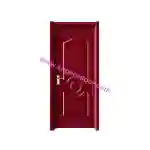

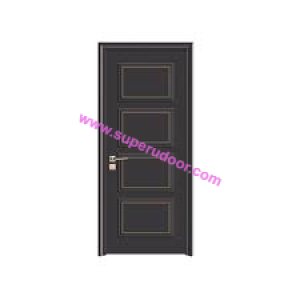
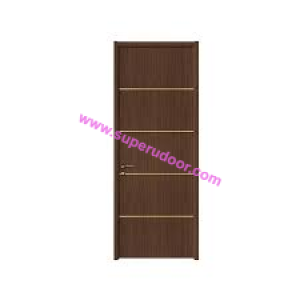
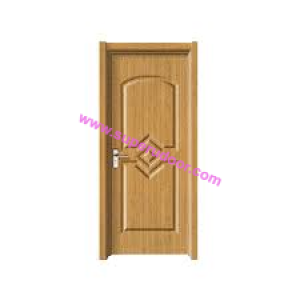
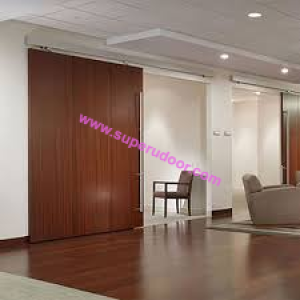
The global demand for interior and exterior doors continues to rise alongside population growth and urbanization. Traditional solid wood doors require large-diameter logs from mature forests, placing substantial pressure on timber resources worldwide-1-5. Each solid wood door consumes wood from trees that took decades to grow, and the processing generates significant waste through cutting, planing, and shaping-1. Engineered alternatives now offer a different path forward. Manufacturers like superudoor, operated by Zhejiang Shangpin Bense Home Furnishing Co., Ltd., have developed production systems that utilize recycled wood fibers, agricultural byproducts, and engineered cores to create durable door products. Their composite construction employs wood waste such as sawdust and shavings combined with eco-friendly resins, reducing the demand for virgin timber-9-10. When you install a Composite Wooden Door in your home or project, does that choice represent a meaningful step toward preserving forest ecosystems?
Composite wooden doors achieve their environmental benefits through resource-efficient construction methods. The core of a composite door typically consists of engineered wood materials like medium-density fiberboard (MDF), high-density fiberboard (HDF), or wood-plastic composites (WPC) that incorporate recycled content-8. Instead of using solid planks from a single tree, these products combine small wood particles, agricultural waste like straw and reed stalks, and recycled fibers into a homogeneous board-1-5. This approach extracts maximum value from every unit of raw material, reducing waste that would otherwise end up in landfills. Patented manufacturing methods have emerged that use discarded fibrous plants and natural resins, creating door cores that are stable, lightweight, and resistant to cracking without requiring premium timber-1.
The environmental comparison between composite and solid wood doors reveals significant differences in resource consumption. A standard solid wood door requires approximately the equivalent of a mature tree per unit, whereas a composite door of the same dimensions can be manufactured from wood waste that would otherwise be discarded-5-8. Research has demonstrated that bio-composite door systems can reduce greenhouse gas emissions by approximately 41% compared to conventional steel-core doors, while also storing biogenic carbon within the material throughout its service life-2-6-12. The use of bark fillers and other agricultural byproducts in WPC compositions has shown up to 80% improvement in moisture resistance compared to conventional wood flour-based composites, extending product lifespan and further reducing replacement demand-12. These performance characteristics, combined with recycled content, create a compelling sustainability profile.
Beyond material efficiency, composite construction offers durability advantages that extend service life and reduce replacement frequency. A Wooden Door manufactured through engineered processes resists warping, cracking, and splitting that commonly afflict solid timber doors exposed to humidity and temperature fluctuations-7-10. Composite doors maintain their shape and appearance over decades of use, unlike traditional doors that may require replacement within ten to fifteen years in challenging environments-10. This longevity translates directly to resource conservation—every year added to a door's service life postpones the demand for new materials and reduces cumulative environmental impact. The fire-resistant properties of certain composite formulations further enhance safety without compromising environmental credentials-10.
Manufacturing scale and production efficiency also contribute to reduced environmental burden. Composite door factories can operate with minimal waste through precision cutting systems that maximize material utilization and reuse offcuts in subsequent production batches-9. The integration of digital optimization tools allows manufacturers to coordinate design, material selection, and production workflows, reducing energy consumption and improving yield. Facilities equipped with advanced processing equipment achieve consistent quality while maintaining environmental controls that older, less efficient operations cannot match. Superudoor's production infrastructure, comprising a skilled workforce and comprehensive processing capabilities, supports these efficiency goals while meeting quality standards for export markets.
For environmentally conscious consumers, builders, and procurement professionals, the choice of door material carries implications beyond immediate aesthetics and cost. Composite wooden doors represent a practical pathway to reducing deforestation while maintaining the visual warmth and functionality of wood-based products. The engineered approach accommodates various finishes, colors, and panel designs that mimic the appearance of traditional timber, ensuring design flexibility does not suffer from the shift toward sustainable materials. As regulatory frameworks increasingly favor low-impact construction materials, composite options may become not just an environmental choice but a compliance necessity.
Detailed product specifications, environmental certifications, and customization options for composite wooden doors are available at https://www.superudoor.com/product/, where professionals and homeowners can explore configurations suited to their specific requirements. When your next renovation or construction project demands door solutions, will you prioritize products that minimize natural resource consumption, and will a Composite Wooden Door from superudoor meet your performance expectations while supporting forest conservation?