
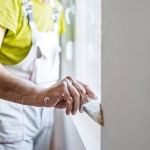





A fresh wall color can change a room quickly, but the result depends on what happens before paint reaches the surface. For an Interior House Painter in Austin, TX, preparation can include cleaning, patching, sanding, and priming. Walls may contain nail holes, grease, dust, loose paint, or old repairs that affect adhesion and appearance. A careful prep process gives the new coating a stable surface and catches defects before they become visible under fresh paint.
Reading the Wall Before Paint
Paint does not hide every defect. Fresh color can make ridges, dents, sanding marks, and uneven patches more noticeable, especially near windows or under strong ceiling lights.
Preparation starts with an inspection of walls, ceilings, trim, and doors. The existing coating also matters. Peeling or chalking paint may need removal, while glossy areas often need light sanding so the new coating can bond properly.
Repairs Before Primer
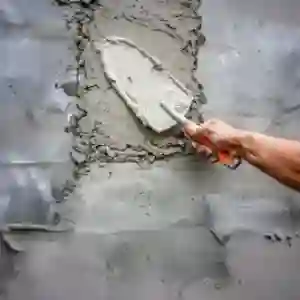
Patching material is usually applied in thin layers, allowed to dry, then sanded until the repair blends into the surrounding surface. Sanding dust must be removed before coating. Otherwise, particles can become trapped in the finish and leave a rough texture.
Cracks deserve closer inspection. A stable hairline crack may be repairable with an appropriate compound, while a crack that repeatedly returns can point to movement or another underlying condition. Painting over a recurring crack rarely solves the visible problem for long.
Cleaning and Priming
Cleaning, abrasion, and primer selection have a direct effect on the finished surface. Dust can create texture. Grease can weaken adhesion. Glossy paint can reject a new coating if it receives no surface preparation.
Primer also helps control differences in absorption. Bare drywall and repaired patches can absorb paint differently from previously painted areas. Without suitable sealing, those sections may dry with a different sheen even when the same color is used.
Stains may need specialized treatment. Water marks, smoke residue, or other persistent discoloration can bleed through ordinary wall paint. A compatible stain-blocking primer can isolate the affected area before the finish coat is applied.
Painters may use different preparation methods in the same home because surfaces and room conditions are rarely identical. Choosing the right professional exterior painting service can help ensure that each surface receives the appropriate preparation and application for a consistent, durable finish.
Protecting the Room
Preparation extends beyond the wall. Furniture is moved or covered, floors receive protection, and removable hardware can be taken down when practical.
Ventilation matters during application and drying. Even lower-odor water-based coatings need suitable airflow, and occupants should follow the product's stated drying and recoat times before using the room normally.
When Existing Paint Changes the Plan
An older coating can affect the preparation required for a new finish. If the existing paint is firmly bonded and compatible with the planned coating, complete removal may not be necessary. Loose or failing sections should be removed until a stable surface remains.
Older homes require additional caution. Paint applied before 1978 may contain lead, so sanding or disturbing suspect coatings should follow appropriate lead-safe practices rather than ordinary preparation methods.
This assessment is also where unnecessary work can be avoided. Color Stars Painting LLC can evaluate whether a room needs localized repairs, broader surface preparation, or additional primer before the finish coat.
Timing Matters
A wall with a few nail holes may need limited preparation. A surface with peeling paint, extensive repairs, or stains can require several stages before painting begins. Humidity and ventilation can influence drying conditions as well.
Comparing Preparation Scopes
Not every room needs the same level of work. A recently painted wall in sound condition may need cleaning, minor filling, and light abrasion. A damaged surface could require scraping, repairs, sanding, and primer.
For house painting services in Austin, TX, this distinction matters because a room requiring extensive repairs can take considerably longer than one with an intact existing finish.
Interior Painting Assessment
For interior wall painting in Austin, TX, a practical next step is to have each room inspected and the preparation requirements written into the project scope. The scope should account for repairs, primer, finish coats, drying time, and access. Requesting these details before work begins gives the property owner a clearer basis for comparing proposals.
A Stable Base for Fresh Color
Fresh paint performs best when the surface beneath it is clean, sound, dry, and properly prepared. Preparation controls problems such as weak adhesion, uneven sheen, visible patch lines, and premature peeling before they reach the finished wall.
For residential painting services in Austin, TX, a room-by-room evaluation can determine how much preparation is actually justified. A sound wall may need modest work, while a damaged surface may need substantially more. The color then goes onto a substrate prepared for the coating system selected.
FAQs
How far should furniture be moved from walls before painting?
Furniture should generally be moved far enough to provide safe access for preparation and application. The required clearance depends on room size and the equipment being used. Fragile or valuable pieces may need to be moved to another area entirely.
Should outlet covers be removed before interior painting?
Removing outlet and switch covers can produce cleaner edges than painting around them. Power should be handled safely, and covers should be reinstalled only after the surrounding paint has dried sufficiently.
Can primer affect the final appearance of a paint color?
Yes. Primer color and coverage can influence how the finish coat appears, particularly when a major color change is involved. The selected primer should be compatible with both the existing surface and the intended finish.
Should wood trim be prepared differently from drywall?
Usually. Wood trim may require cleaning, sanding, filling, or caulking suited to the existing finish. Drywall preparation focuses more heavily on patching, surface absorption, and smoothing damaged areas.
When should paint samples be tested?
Samples are best evaluated after the surface has been prepared enough to represent the final wall condition. Natural and artificial lighting can make the same color appear different at various times of day.
How should a homeowner document existing wall damage?
Photographs can record cracks, stains, dents, and peeling areas before work begins. Written notes can identify recurring problems or locations affected by previous repairs, giving the painting professional a useful reference during the project.