





A PVC membrane can provide decades of service, but its lifespan depends on more than the membrane itself. For property owners comparing PVC Roofing Seattle, WA installation quality, drainage, rooftop activity, maintenance, and climate all deserve attention. A properly welded membrane over a sound assembly can perform for many years. Poor detailing or persistent moisture can shorten that period.
Roof Assembly Components Beyond the Membrane
PVC is a thermoplastic single-ply membrane. Heat-welded seams can create a continuous waterproof layer when installed correctly. Yet insulation, cover boards, fasteners, flashings, edge metal, drains, and the structural deck also affect service life.
Field seams deserve close inspection because weak welds can fail after exposure. Flashing around pipes, curbs, walls, skylights, and HVAC equipment also faces extra stress.
Drainage and Ponding Water
Seattle's wet climate makes drainage a major consideration. Standing water can keep roof details wet and add weight to the assembly. Blocked drains and scuppers can create recurring problems.
Water that remains after surrounding areas have dried may indicate inadequate slope, blocked outlets, insulation compression, or deck movement. Repeated ponding should be investigated rather than covered with temporary patches. For property owners considering commercial PVC roofing Seattle, WA, drainage should be reviewed as part of the entire roof design.
Installation Quality
A PVC roof's service life starts with installation. Membrane thickness matters, but workmanship at seams, penetrations, perimeter edges, and fastener locations can have a direct effect on performance.
Installation should follow manufacturer requirements for substrate preparation, attachment, welding, flashing, and perimeter detailing. Poorly prepared surfaces or rushed seam work can cause early defects.
Weather and Seasonal Exposure
PVC membranes are designed for exterior exposure and resist rain and ultraviolet radiation, but long-term weather still affects every roof. Repeated heating and cooling cause materials to expand and contract. Weakly attached areas or poorly detailed transitions may experience greater stress during these cycles.
Seattle's frequent moisture increases the consequences of drainage and flashing problems. Clear weather still exposes the membrane to UV radiation, so the assembly must handle both conditions over time.
Foot Traffic and Rooftop Work
Commercial roofs often receive traffic from HVAC technicians, electricians, maintenance crews, and other contractors. Tools, dropped hardware, sharp equipment edges, and uncontrolled foot traffic can puncture or abrade a PVC membrane.
Walk pads can protect frequently used routes. Equipment should also be installed without creating concentrated loads or direct abrasion against the membrane. For owners evaluating commercial roofing repair service the source of damage matters. A replacement patch will not solve repeated damage caused by ongoing rooftop traffic.
Maintenance and Small Repairs
PVC roofing requires routine inspection even when no interior leak is visible. A practical inspection can check for:
- Open or suspect seams
- Damaged flashing and penetrations
- Blocked drains or scuppers
- Punctures or membrane damage
- Deteriorated edge metal
Repairs should follow the membrane manufacturer's requirements. Incompatible products or poor surface preparation can interfere with welding. PVC roof maintenance Seattle, WA may also include an inspection after other contractors complete rooftop work, when small punctures can be found before moisture spreads into insulation.
Conditions Beneath the Surface
The insulation and deck can determine whether a roof is repairable. Wet insulation loses thermal performance, while persistent moisture can deteriorate some deck materials.
Roofing professionals may use infrared scanning, electrical capacitance testing, or targeted core cuts to locate moisture. Each method has limitations.
A new membrane installed over wet or deteriorated materials can conceal the underlying problem. An assessment should establish the condition of the assembly before major work begins.
Rooftop Alterations
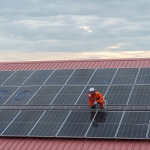
New equipment can change the risk profile of an established roof. HVAC replacements, exhaust systems, solar equipment, and electrical work may require penetrations or additional traffic around existing details.
A roof that was watertight when installed can develop leaks after another contractor modifies it. Proper flashing, compatible materials, and coordination with roofing requirements help protect the membrane. Commercial roof inspection Seattle, WA is useful before rooftop alterations because deteriorated areas can be identified while access is available.
Assessing Remaining Service Life
Age alone does not determine whether a PVC roof should be repaired or replaced. A well-maintained system can remain serviceable for decades, while a younger roof with recurring ponding, wet insulation, or damaged seams may need substantial work.
Seattle Roof Systems can evaluate the membrane, seams, flashing, drainage, and visible underlying conditions when a property owner needs a clearer assessment of remaining service life. Findings can help distinguish targeted repairs from conditions that justify broader replacement work.
Roof Assessment Before Major Work
A professional assessment is appropriate when a roof develops recurring leaks, ponding, visible membrane damage, or deterioration around penetrations. The inspection should document defects and investigate suspected moisture.
Property owners considering PVC roofing contractor Seattle, WA should request a written assessment that separates immediate repairs from longer-term concerns. That provides a more useful basis for budgeting than roof age alone.
The Service Life in Context
PVC roofing can deliver a long service period when its membrane and supporting assembly remain sound. The most useful warning signs are specific: water that remains after nearby areas dry, an opening seam, a puncture near equipment, or evidence of moisture below the membrane.
Early investigation can preserve more of the existing assembly and prevent a localized defect from developing into a larger roofing project.
PVC Roofing FAQs
Can PVC roofing be installed over an existing roof?
It can be possible, but the existing roof must be evaluated for moisture, structural condition, compatibility, and attachment requirements. Manufacturer specifications and local requirements also affect the decision.
Does PVC roofing work with solar panels?
It can, provided the solar attachment method suits the roof assembly. Penetrating and non-penetrating systems create different requirements, so roofing and solar installers should coordinate the details.
Can an older PVC membrane still be repaired?
Yes. If the membrane remains suitable for welding and the surrounding assembly is sound, repairs may be practical. Surface condition must be assessed first.
Does PVC membrane color affect roof temperature?
Yes. White PVC generally reflects more solar radiation than darker membranes, which can reduce surface temperatures under strong sun. Building design and energy goals should guide color selection.
How should other contractors protect a PVC roof?
Work areas should have controlled access and suitable protection. Sharp debris should be removed carefully, and the roof should be inspected after equipment or construction work.
Can hail damage PVC roofing?
Severe hail can damage the membrane or materials below it. After a significant hail event, an inspection can identify punctures or compromised details that may not produce an immediate interior leak.