



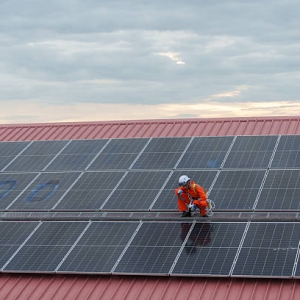



A roof in Puyallup has to handle winter rainfall, periodic wind, moss growth, and occasional freezing temperatures. For a Roofing Contractor in Puyallup, WA those conditions affect material selection, drainage, ventilation, flashing, and inspection timing. A qualified contractor should account for how local weather affects the entire roof assembly.
Puyallup Weather and Roof Performance
Puyallup's wet season puts drainage near the top of the inspection list. Valleys, roof edges, penetrations, and flashing around chimneys or vents deserve close attention because small openings can admit water repeatedly before an interior stain appears.
Wind can loosen aging shingles, expose fasteners, or lift flashing. Storm inspections should also check for creased shingles, displaced ridge caps, and unusual granule loss.
Roof Pitch and Water Movement
Roof slope affects how quickly rain leaves the surface. Low-slope sections require particular care because water moves more slowly. A qualified roofer should check drains, gutters, downspouts, and valleys for restricted flow or signs of recurring ponding.
Leaves, needles, and moss can obstruct drainage, especially on shaded properties. When a downspout cannot handle runoff, water may spill over an edge and repeatedly wet siding or trim. The drainage path belongs in the roof assessment, not only the shingles.
Material Choices for a Wet Climate
Asphalt shingles remain common in the region, but product selection should account for moisture exposure and roof design. Architectural shingles may offer greater dimensional performance than basic three-tab products, while quality underlayment provides another protective layer beneath the roof covering.
Metal roofing can suit some buildings, while membrane systems are common on low-slope additions. The choice depends on pitch, construction, ventilation, drainage, and roof-deck condition.
If decking has absorbed moisture or lost structural integrity, affected sections may need replacement before new roofing is installed.
Moss, Shade, and Moisture
Moss is common on shaded roof planes. Heavy growth can hold moisture against shingles and interfere with water shedding.
Persistent moss also warrants a look at its source. Overhanging vegetation, poor sunlight exposure, clogged gutters, and slow drainage can contribute to recurring growth.
Flashing and Roof Penetrations
Flashing forms the water-shedding transition between the roof and other building components. Chimneys, skylights, plumbing penetrations, walls, and roof-to-wall intersections all depend on reliable flashing details.
Older repairs can create hidden problems. Sealant placed over deteriorated flashing may look sound during a quick inspection but fail after repeated wetting and drying. The contractor should determine whether flashing requires repair, replacement, or reconstruction.
Attic access can reveal moisture staining, damp insulation, darkened sheathing, or daylight around penetrations.
Attic Ventilation and Moisture
An attic with inadequate intake and exhaust ventilation can accumulate heat and moisture. During colder weather, warm indoor air can reach the attic and condense on colder surfaces when air sealing or ventilation is inadequate.
A roof inspection should distinguish a leak from condensation. Both can produce stains, but they require different repairs. Replacing shingles without addressing an attic moisture source can leave the underlying problem intact.
For homeowners comparing roof replacement Puyallup, WA, the condition of the decking and ventilation system should be included in the assessment. An estimate describing only the visible roofing material may leave important work undefined.
Choosing the Right Roofing Service
Proper steel roof installation requires careful planning, accurate measurements, secure panel fastening, and proper flashing around edges, valleys, vents, and other vulnerable areas. Using the right installation techniques can help improve the roof’s durability, weather resistance, and overall performance.
Homeowners should also consider the condition of the existing roof structure before installation begins. Working with experienced professional roofing service can make it easier to select suitable steel roofing materials, prepare the surface correctly, and complete the installation according to the manufacturer’s requirements. Professional assistance can also help identify potential issues early and reduce the risk of leaks, loose panels, or other installation problems
Repair or Replacement?
Age alone does not determine whether a roof should be replaced. An older roof with sound decking, functional flashing, and limited localized damage may remain a repair candidate. A newer roof with widespread moisture intrusion or recurring leaks can require more extensive work.
The decision should consider damage and remaining service life. A localized repair may make sense when surrounding materials remain sound, while repeated patching becomes less practical as leaks spread.
A qualified contractor should explain the evidence supporting the recommendation, including damaged shingles, deteriorated flashing, wet insulation, or compromised decking.
Local Roofing Work
Evergreen General Construction LLC serves property owners who need roofing work evaluated in the context of Puyallup's weather and building conditions. A sound assessment should account for drainage, moss, ventilation, flashing, and the roof deck.
Homeowners seeking roof repair Puyallup, WA should ask what was found, where the damage is located, and whether the proposed repair addresses the cause as well as the visible symptom. Clear documentation can help prevent a minor leak from becoming a larger interior repair.
Before the Roofing Scope Is Approved
A roofing proposal should provide enough detail to compare work accurately. Material specifications, underlayment, flashing work, ventilation changes, decking allowances, cleanup, and warranty terms should be identified.
A documented roof assessment should include photographs and a written explanation of recommended repairs.
Roof Decisions for Puyallup Homes
Local roof performance depends on more than the shingle brand listed on a proposal. Rain exposure, drainage, roof pitch, shade, moss, flashing, attic conditions, and decking all influence service life.
A Puyallup contractor should explain which findings require immediate attention and which can be monitored.
Questions Property Owners Commonly Ask
How often should a Puyallup roof be professionally inspected?
Annual inspection is reasonable for many homes, with an additional check after major weather events. Older roofs may need more frequent evaluation.
Does a roof need replacement after every major storm?
No. Damage varies, and an assessment can determine whether repair or replacement is appropriate.
Can moss growth indicate a drainage problem?
It can. Persistent moss often reflects prolonged moisture and shade, but growth alone does not prove a drainage defect.
Should attic ventilation be changed during roof replacement?
It may need attention if existing intake or exhaust is inadequate. Changes should reflect the attic design.
What roof details deserve extra attention on older Puyallup homes?
Flashing, roof-to-wall transitions, chimneys, penetrations, valleys, and older decking deserve close inspection.
Can a homeowner inspect a roof safely without climbing onto it?
Ground and attic observations are useful, but some surface defects require professional access. Walking on a roof creates fall and material-damage risks.