



The commercial entertainment industry is constantly looking for attractions that can bring people back throughout the year. For real estate developers, waterpark operators, resorts, hotels, and indoor entertainment centers, traditional outdoor water attractions can be affected by weather, seasonality, and location.
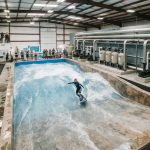
Indoor surfing offers a different approach. By bringing wave-riding experiences into a controlled indoor environment, operators can create an attraction that combines sports, entertainment, fitness, and spectator appeal without relying entirely on outdoor conditions.
However, developing an indoor surf facility involves much more than installing a pool and a wave machine. Hydraulic performance, building integration, water treatment, rider safety, maintenance, and daily operation all need to be considered during the planning stage. This is why working with an experienced turnkey indoor surf system provider can make a significant difference to the success of a commercial project.
Ibaysurf specializes in the design, manufacturing, installation, and commissioning of surf simulator and artificial wave systems. Its project-oriented approach allows developers to coordinate key technical requirements through a more integrated process.
Modern consumers increasingly look for interactive experiences rather than simply visiting conventional entertainment venues. Indoor surfing combines physical activity with visual entertainment, giving it potential value as both a participation-based attraction and a spectator experience.
For commercial developers, one of the main advantages is the ability to operate in a controlled environment.
Year-Round Operation
Outdoor surfing depends on weather, tides, seasonal conditions, and geographical location. Indoor wave systems can provide a more predictable operating environment, allowing businesses to schedule lessons, training sessions, events, and recreational activities throughout the year.
Efficient Use of Space
A well-designed indoor surf system can be incorporated into commercial properties, resorts, sports centers, and indoor entertainment complexes. The equipment layout can be planned around the available building dimensions rather than requiring access to a coastline or large outdoor water area.
Controlled Wave Performance
Unlike natural waves, engineered waves can be adjusted according to the characteristics of the system and intended users. Wave height, flow conditions, operating schedules, and other parameters can be configured to support different riding experiences.
Energy Management
Modern hydraulic systems can incorporate variable-frequency drive technology to regulate pump operation. This allows operators to adjust system performance according to demand and potentially reduce unnecessary energy consumption during lower-use periods.
What Does a Turnkey Indoor Surf System Include?
A commercial wave attraction involves multiple technical disciplines. Architectural planning, structural engineering, hydraulics, electrical systems, water treatment, safety design, and commissioning all have to work together.
A turnkey approach can simplify this process by allowing one experienced provider to coordinate major components of the project.
1. Site Planning and Spatial Design
Before equipment is manufactured, the available building must be evaluated carefully.
Factors such as floor area, structural loading, ceiling height, equipment access, drainage, utilities, spectator areas, and maintenance space can all affect the final system configuration.
Ibaysurf can work with project teams during the planning stage to determine how the surf system can be integrated into a new or existing facility.
Early spatial planning is particularly important because changing equipment layouts after construction has begun can result in additional structural work and higher project costs.
2. Hydraulic System Engineering
The hydraulic system is at the heart of an artificial wave attraction.
Pumps, flow channels, water distribution structures, control systems, and riding surfaces must work together to generate a stable and repeatable wave.
A commercial system needs to provide more than an impressive wave. It must also maintain predictable operating characteristics while handling continuous use.
Proper hydraulic design can help control flow velocity, turbulence, wave shape, and rider positioning. These factors directly influence both the quality of the surfing experience and the operational stability of the attraction.
3. Riding Surface and Safety Considerations
Rider safety should be incorporated into the system from the beginning rather than treated as an additional feature.
Indoor surf systems may use specially designed riding surfaces intended to provide suitable traction and impact characteristics. The selected surface should match the wave configuration, rider skill level, operating conditions, and safety requirements.
The surrounding pool layout, access points, operator visibility, emergency procedures, and staff training are also important parts of a complete safety strategy.
Water Treatment Is Essential for Commercial Facilities
Indoor surfing facilities can experience high visitor turnover, making water quality management a major operational consideration.
A commercial system may incorporate filtration, circulation, disinfection, UV treatment, chemical dosing, and monitoring equipment according to the facility's requirements and applicable local regulations.
Effective water treatment helps maintain water quality while reducing the need for frequent manual intervention.
For operators, the goal is not simply clear-looking water. A properly designed water management system should support reliable operation, manageable maintenance requirements, and compliance with the relevant public aquatic facility standards.
How Indoor Surfing Can Support Commercial ROI
The financial performance of an indoor surf facility depends on more than ticket sales. Operators need to consider rider capacity, operating hours, pricing models, facility utilization, maintenance costs, and additional revenue opportunities.
High Rider Throughput
Artificial wave systems can provide continuous riding opportunities rather than requiring participants to wait for naturally occurring wave sets.
Depending on the equipment configuration and operating model, this can allow a commercial venue to schedule multiple sessions throughout the day and accommodate a relatively high number of participants.
Multiple Revenue Opportunities
An indoor surf attraction can become part of a broader entertainment ecosystem.
Potential revenue sources may include:
- Surfing lessons
- Individual riding sessions
- Membership programs
- Group activities
- Training camps
- Corporate events
- Competitions
- Spectator admissions
- Food and beverage services
- Surf equipment and merchandise
Combining surfing with other commercial services can increase the overall value generated by each visitor.
Spectator Appeal
Indoor surfing is also visually engaging. Spectators can watch riders without participating themselves, which creates opportunities for viewing platforms, cafés, restaurants, retail areas, and social spaces to be incorporated into the overall venue design.
This can help transform the surf system from a standalone piece of equipment into a central attraction within a larger entertainment destination.
Why Choose a Turnkey Provider?
Managing an indoor surf project through multiple unrelated suppliers can create coordination challenges.
For example, the hydraulic equipment supplier may not be responsible for architectural integration, while the construction contractor may not have specialist knowledge of wave-generation systems. Delays or design conflicts can occur when responsibilities are divided across too many parties.
A turnkey indoor surf system provider can coordinate key stages of the project, including:
- Initial project consultation
- Site and space evaluation
- System configuration
- Hydraulic and structural planning
- Equipment manufacturing
- Installation
- System commissioning
- Operational testing
- Staff training
- After-sales technical support
This integrated approach can help reduce communication gaps and make project responsibilities easier to manage.
Ibaysurf's Approach to Indoor Surf Projects
Ibaysurf provides artificial wave and surf simulator solutions for commercial entertainment projects.
Its services can cover equipment design, manufacturing, installation, commissioning, and related technical support. The system configuration can be considered according to factors such as available space, expected visitor capacity, target users, wave experience, and facility layout.
For developers planning an indoor surfing venue, this application-oriented approach can be useful when the project involves more than simply purchasing a standard machine.
The objective is to create a complete operating environment in which the wave system, pool area, water treatment equipment, building structure, spectator spaces, and supporting facilities work together.
Planning an Indoor Surf Facility: What Should Developers Consider?
Before investing in an indoor surf system, developers should evaluate several practical factors.
Building Requirements
Confirm available floor area, ceiling height, structural capacity, equipment access, drainage, power supply, and maintenance space.
Target Customer
A system designed primarily for beginners may have different requirements from one intended for professional training or advanced surfing.
Operating Model
Determine whether the venue will focus on individual sessions, lessons, memberships, tourism, competitions, corporate events, or a combination of activities.
Maintenance
Consider pump maintenance, filtration, water treatment, riding-surface inspection, electrical systems, spare parts, and technical support before selecting equipment.
Local Regulations
Pool construction, electrical installation, fire safety, water treatment, public access, and occupational safety requirements vary by location. These requirements should be incorporated into the project design at an early stage.
Conclusion
Indoor surfing is becoming an interesting option for developers seeking interactive attractions that can operate independently of traditional coastal conditions. By combining artificial wave technology with commercial entertainment, hospitality, fitness, and tourism concepts, an indoor surf facility can create a distinctive visitor experience.
At the same time, a successful project requires careful attention to hydraulic engineering, spatial planning, water treatment, safety, energy consumption, maintenance, and commercial operations.
Choosing an experienced turnkey indoor surf system provider such as Ibaysurf can simplify the development process by bringing equipment engineering, installation, commissioning, and technical support together under one project framework.
For developers planning a new indoor entertainment center, resort attraction, sports facility, or commercial surf venue, a properly designed indoor wave system can become more than a standalone attraction—it can serve as the central feature around which an entire customer experience is built.