
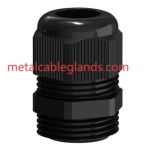

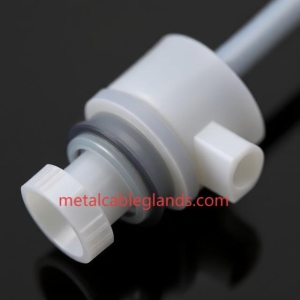
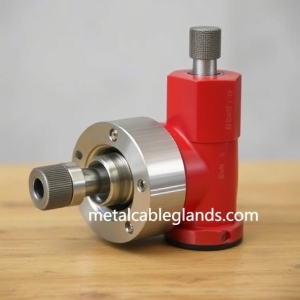
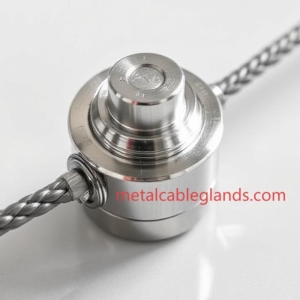
Outdoor electrical equipment faces constantly changing conditions, from daytime heat and nighttime cooling to rain, humidity, dust, and prolonged exposure. In this environment, a Waterproof Breathable Valve can provide a practical way to manage pressure changes inside an enclosure, while selecting a suitable Waterproof Breathable Valve can also help equipment designers address moisture and condensation concerns without sacrificing the protective structure of the housing. The component is particularly useful when an enclosure needs controlled air exchange while limiting the direct entry of water and external particles. By considering ventilation, enclosure construction, installation position, and operating conditions together, manufacturers can develop more balanced protection strategies for equipment used in demanding locations.
Why Temperature Changes Matter
Temperature variation is a normal part of outdoor equipment operation. A housing exposed to sunlight can become significantly warmer during the day, while cooling conditions at night may cause internal air to contract.
These repeated changes can create pressure differences between the interior and exterior of an enclosure. Over time, pressure fluctuations may influence seals, joints, and other enclosure components.
A breathable valve provides a controlled route for air movement, helping reduce excessive pressure differences. This can complement the primary sealing structure rather than replacing it.
The effect becomes more relevant when equipment is installed in locations with substantial daily temperature changes. Lighting housings, electrical boxes, communication equipment, monitoring devices, and outdoor control systems can all experience this type of environment.
Designers should consider the enclosure volume and expected temperature range when selecting a ventilation component. The size and characteristics of the valve should correspond with the requirements of the complete housing.
This approach allows ventilation to become part of the original enclosure design instead of being treated as an afterthought.
Reducing Moisture and Condensation Concerns
Moisture management is another reason equipment designers consider breathable components. Even when an enclosure is properly sealed against external water, humidity can remain inside.
During cooling cycles, moisture in internal air may condense on cooler surfaces. Condensation can become an unwanted issue for sensitive electrical and electronic components.
Controlled air exchange can help reduce pressure-related moisture challenges within suitable enclosure designs. However, the valve should always be considered together with the enclosure's overall environmental protection strategy.
The surrounding housing, seals, cable entries, mounting points, and ventilation component all contribute to the final result.
Material selection is also important. A component used in a humid outdoor environment may face different conditions from one installed in a relatively controlled indoor location.
Exposure to water, dust, ultraviolet radiation, temperature variation, or industrial contaminants should be considered before choosing the appropriate construction.
Instead of selecting a valve solely according to its basic function, engineers can define the environmental conditions first and then identify a suitable specification.
Designing for Different Equipment Structures
Not every enclosure has the same shape or installation method. Some products have compact housings, while others use larger cabinets with multiple internal components.
The available mounting space should therefore be evaluated early in the design process.
A valve may need to be positioned on a side, bottom, top, or another suitable surface depending on the equipment structure and environmental exposure.
Installation orientation can affect how the component interacts with rainwater or other external conditions. Designers should avoid creating unnecessary pathways through which water could accumulate around the mounting area.
The mounting interface should also match the enclosure material and wall thickness. Metal and plastic housings may require different installation considerations.
For mass-produced equipment, installation procedures should be clearly defined. Consistent positioning and fastening can help maintain uniformity between finished units.
Assembly teams may also benefit from simple inspection points that confirm correct installation.
When a breathable component is incorporated during the engineering stage, manufacturers have more opportunities to optimize the housing structure around it.
This can improve integration and reduce the need for later modifications.
Flexible Solutions for Diverse Applications
Equipment manufacturers serve a wide range of industries, and environmental requirements can vary significantly between applications.
Outdoor lighting may face rain and sunlight, while communication devices may require long-term exposure protection. Industrial control equipment can operate in locations where humidity, dust, or temperature changes are common.
Each application should therefore be evaluated individually.
A flexible component selection strategy can help engineers identify suitable dimensions and mounting configurations for different enclosure designs.
For OEM projects, technical communication is particularly useful. Buyers can provide information about enclosure dimensions, wall thickness, installation location, expected environmental exposure, and production quantities.
Samples can be evaluated before final production. This allows engineering teams to check physical compatibility and installation convenience.
Clear drawings and specifications can further simplify communication between equipment designers and component suppliers.
For recurring projects, maintaining a standardized specification can make future purchasing easier. Once the required dimensions and performance expectations have been established, repeat orders can follow the same reference.
This can reduce confusion when several equipment models are being manufactured at the same time.
Planning for Long-Term Protection
Environmental protection should be considered over the expected service life of equipment. Outdoor products may experience thousands of heating and cooling cycles, along with repeated exposure to humidity and changing weather.
A properly planned ventilation component can become one part of a broader strategy for managing these conditions.
Manufacturers should consider the relationship between the valve, enclosure, seals, cable entry points, and internal components.
Maintenance requirements should also be reviewed. Depending on the operating environment, inspection may be appropriate to ensure that ventilation pathways remain unobstructed.
Procurement teams can support long-term consistency by maintaining clear product specifications and approved supplier information.
For larger production programs, stable component quality can simplify assembly and reduce variation between finished enclosures.
It is also useful to consider future product revisions. If an enclosure design changes, the ventilation requirement should be reviewed rather than automatically transferring the previous specification.
A complete design approach can help manufacturers respond more effectively to different environmental conditions while keeping the enclosure practical to produce.
Ultimately, breathable enclosure technology is about achieving a sensible balance. Completely blocking the external environment is important, but internal pressure and moisture should not be ignored.
A suitable valve can support controlled air exchange while complementing the protective structure of an enclosure. When temperature changes, condensation risks, mounting position, material compatibility, and long-term operating conditions are considered together, equipment designers can make more informed component decisions.
For manufacturers, engineers, OEM buyers, and enclosure specialists exploring practical ventilation components, detailed product information is available at https://www.metalcableglands.com/. Reviewing available options, installation considerations, and application requirements can help you develop a more suitable enclosure strategy, improve design coordination, and select components that fit your equipment's environmental protection needs.