
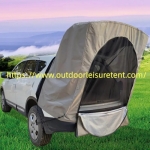

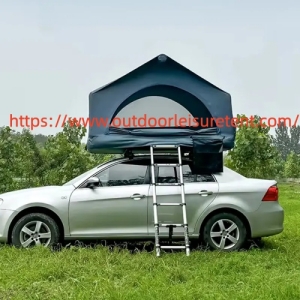
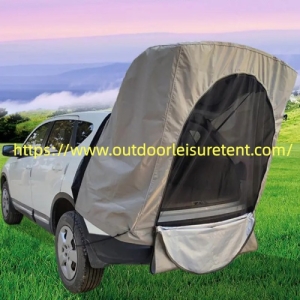
Waterproof Roof Top Tent selection requires more than checking whether rain is mentioned in a product description. Buyers should examine fabric, seams, closures, ventilation, structure, dimensions, vehicle compatibility, and maintenance requirements before placing an order. Current rooftop camping guides also emphasize checking vehicle and rack specifications, weather protection, setup, weight, and ventilation because these factors influence how a shelter performs in practical outdoor use.
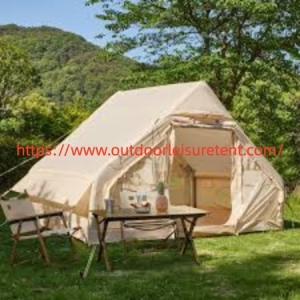
The fabric is a natural starting point. Buyers should ask for information about fabric composition, fabric weight, coating, waterproof rating, UV resistance, and breathability. Different materials can create different balances between weight, weather protection, flexibility, and comfort. For example, an Oxford Cloth Tent can be considered when buyers want a fabric configuration suited to regular outdoor applications. Mansen also lists 210D Oxford fabric in its camping tent range, with stated waterproof specifications for the outer and floor materials.
Seam construction deserves the same attention as the fabric itself. Rain can enter through stitching points, zippers, corners, windows, and other connections even when the main fabric has suitable water resistance. Buyers should ask how seams are treated and whether important joining areas receive additional protection. Current product guidance specifically recommends checking seams, taping, and moisture around connection points when evaluating or maintaining rooftop shelters.
Ventilation is another detail that can easily be overlooked. A shelter that blocks outside moisture still needs controlled airflow because condensation can develop inside during sleeping and changing weather conditions. Windows, mesh panels, roof vents, and adjustable openings can help create airflow while maintaining protection from rain. Buyers should examine how these openings are positioned and whether they can remain partially open during wet conditions.
Closures also deserve a practical inspection. Zippers should operate smoothly, while rain flaps and covered openings can provide another layer of protection around entry points. Buyers can examine the construction around doors and windows during sample approval. These areas experience repeated movement, so checking stitching, fabric reinforcement, and closure alignment can provide useful information before larger quantities are ordered.
The shape of the shelter can influence how rain moves across its exterior. A suitable roof angle can help water run away from the sleeping area instead of remaining on the surface. Floor edges and drainage arrangements should also be considered. Waterproofing is therefore better evaluated as a complete system rather than through a single fabric specification. Recent rooftop shelter guidance similarly describes rain protection as a combination of fabric, seams, closures, and structural drainage.
Vehicle compatibility is especially important for products mounted above the ground. Buyers should confirm product weight, mounting dimensions, rack requirements, and the applicable vehicle roof load information. REI recommends checking both the vehicle and rack specifications, including dynamic and static capacity, before installing a rooftop shelter.
Size should be matched with the intended customer group. A compact model may suit solo travelers or couples who value easier transportation, while a larger interior may be appropriate for families. Buyers should compare sleeping capacity, floor dimensions, headroom, folded dimensions, and total weight. These figures also affect warehouse storage, transportation planning, and the vehicle models that customers can use.
The ladder and mounting system should receive attention during sample inspection. Buyers can check ladder length, step design, adjustment points, mounting brackets, bolts, and connection hardware. These parts are used frequently and should be easy to operate while remaining properly secured. The mounting system also needs to work with the intended rack configuration rather than being treated as an independent component.
Comfort features can influence how customers perceive the product after installation. Mattress thickness, internal pockets, lighting attachment points, windows, mesh panels, and storage arrangements can make a difference during longer trips. Buyers should decide which features are necessary for their market and which can be offered as optional accessories.
Packaging is another practical consideration for wholesale purchasing. The buyer should request packed dimensions, carton weight, accessory placement, protective materials, labels, and shipping marks. Clear packing information helps distributors plan warehouse space and transportation. It can also make it easier to calculate landed costs when comparing different product configurations.
Customization may be useful for outdoor brands that want their camping range to match their own market identity. Depending on the model, customization can involve colors, logos, labels, packaging, manuals, accessories, or selected structural details. Mansen can discuss product configurations according to different outdoor applications, customer groups, and order requirements.
Before approving a larger order, buyers can create a sample checklist covering fabric, seams, closures, ventilation, mounting points, dimensions, ladder construction, accessories, packaging, and inspection requirements. This gives both the buyer and manufacturer a clear reference. It also helps identify small adjustments before production moves forward.
A good purchasing decision comes from matching product specifications with actual camping conditions. Buyers should consider climate, vehicle type, customer expectations, storage needs, and intended usage rather than relying on a single feature. For distributors and outdoor brands preparing a new product range, the available camping products and configurations from Mansen can be reviewed naturally at https://www.outdoorleisuretent.com/ before discussing specific requirements.