
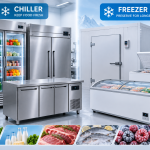

Fresh meat, seafood, dairy products, vegetables, frozen foods, and prepared ingredients all require accurate temperature regulation. An unexpected refrigeration failure can result in ruined inventory, extra expenses, and disruption to everyday operations.
The hot heat in Dubai necessitates extra attention to refrigeration maintenance. Regular maintenance can help business chillers and freezers run more efficiently, maintain consistent temperatures, and last longer.
Whether you manage a restaurant, hotel kitchen, supermarket, or catering business, this practical handbook will show you how to properly maintain your refrigerated equipment.
Why Chiller and Freezer Maintenance Matters
Commercial refrigeration systems frequently work extended hours, sometimes around the clock. Dust, oil, obstructed airflow, worn door seals, and unclean components can all have an impact on performance over time.
Regular maintenance benefits businesses:
- Maintain stable storage temperature.
- Preserve perishable food.
- Reduce unexpected breakdowns.
- Increase energy efficiency.
- Increase equipment lifespan.
- Reduces unnecessary repair expenditures.
- Support better food storage techniques.
A maintenance program is typically significantly less expensive than dealing with a severe refrigeration malfunction during a busy business season.
1.Check temperature regularly
Temperature monitoring should be one of the first daily checks in any industrial kitchen or food-storage area.
Check the temperature of chillers and freezers on a regular basis and ensure that the readings are within the proper range for the products being stored.
Unexpected temperature variations may suggest a malfunctioning thermostat, obstructed ventilation, overflowing storage, or a refrigeration system failure.
Keeping a simple temperature log can also aid personnel in detecting unexpected changes before they become dangerous.
2.Keep the condenser coils clean
Condenser coils remove heat from the refrigeration system. When dust and oil accumulate on these components, the system may need to work harder to keep the proper temperature. This can lead to higher energy usage and increased stress on the equipment.
Grease and airborne particles can accumulate quickly in busy commercial kitchens, therefore condenser coils should be inspected and cleaned according to the manufacturer's instructions.
3.Inspect door seals
Cold air might escape through damaged or improperly sealed doors.
Check your door gaskets on a regular basis for cracks, looseness, and other indicators of damage. A simple visual inspection can frequently detect problems early.
If a door does not close correctly or the gasket has deteriorated, replacing it will allow the machine to regulate temperature more efficiently. Staff should also avoid keeping chiller and freezer doors open for longer than required.
4.Avoid overloading the equipment
Filling a refrigerator or freezer to capacity may appear economical, but overcrowding can hinder ventilation.
To keep kept products at constant temperatures, cold air must circulate around them. When shelves are packed too densely, some places may get warmer than others.
Organize your merchandise carefully and give enough space around air vents and circulation regions.
5.Clean the interior regularly
Food spills, packaging detritus, and accumulated grime can all cause hygiene issues and unpleasant odors.
Schedule frequent cleaning of shelves, walls, floors, and internal surfaces with appropriate cleaning methods. To avoid excessive clutter, remove any outdated or damaged products while cleaning.
For supermarkets and large commercial kitchens, well-organized storage facilitates product rotation.
6.Check for unusual noises or ice buildup
Your refrigeration equipment can often provide warning indications before a severe problem arises.
Check for odd buzzing, clicking, rattling, or excessive compressor noise. Also, look for unusual ice accumulation within refrigerators.
Heavy ice buildup could signal problems with the door seal, defrost system, airflow, or other components. If something appears weird, it is preferable to investigate immediately rather than waiting for the equipment to stop working.
7.Schedule Professional Servicing
Professional servicing should be included in your maintenance plan, in addition to daily cleaning and basic inspections.
A competent technician can inspect critical components like as compressors, fans, thermostats, electrical connections, refrigerant systems, and controls.
Working with an experienced chiller and freezer manufacturer in Dubai, or a trained refrigeration service provider, can also help you find relevant replacement parts and obtain equipment-specific maintenance support.
8.Pay attention to Dubai's climate
Dubai's high outdoor temperatures can put extra strain on refrigeration equipment, especially if condensers are located in hot or poorly ventilated places.
Make that the equipment has appropriate ventilation and can efficiently discharge heat.
During exceptionally hot weather, regular inspections become even more important since refrigeration systems may have to work harder to maintain internal temperature.
9.Do not ignore energy use
A rapid spike in electricity use could indicate that refrigeration equipment is no longer performing efficiently.
Dirty coils, damaged seals, obstructed airflow, aging components, and inappropriate temperature settings can all lead to increased energy use.
Monitoring energy use and temperature performance can assist organizations in identifying potential problems earlier.
When Should You Replace Your Chiller or Freezer?
Maintenance can extend equipment life, but replacement is eventually required. Consider updating if your equipment frequently fails, requires costly maintenance, consumes too much energy, struggles to maintain temperatures, or no longer matches your storage needs.
Modern refrigeration equipment may provide higher efficiency, better temperature control, and features that facilitate monitoring.
Final Thoughts
Reliable refrigeration is vital for restaurants, hotels, and supermarkets in Dubai to protect food quality and keep operations running smoothly. Simple practices like checking temperatures, cleaning coils, examining door seals, ensuring proper ventilation, and scheduling professional maintenance can make a big difference.
Choosing dependable equipment in the first place is equally vital. A qualified chiller and freezer manufacturer in Dubai can assist businesses in selecting refrigeration solutions that are appropriate for their storage needs, operational conditions, and commercial environment.
Your chillers and freezers will function more reliably, use less energy, and provide dependable cold storage for years to come if they are maintained on a regular basis and receive timely professional assistance.