

Global biotech R&D faces severe bottlenecks due to rising drug resistance in parasitic infections. Targeting host macrophage pathways offers a game-changing therapeutic trend to bypass traditional pathogen hurdles and accelerate anti-parasitic drug discovery pipelines.
The global biotechnology sector is hitting a critical wall in anti-parasitic drug discovery. While market demand for novel infectious disease therapeutics is surging across both developed economies and tropical clinical regions, traditional research methodologies have stalled. Developing effective treatments against complex protozoan and helminthic pathogens remains exceptionally difficult due to intricate immune evasion mechanisms and rapidly surging antimicrobial resistance. To overcome these persistent industry bottlenecks, a prominent technical trend is shifting the pharmaceutical focus away from directly attacking the pathogen and toward host-directed immunotherapy—specifically targeting macrophage pathways.
Core Industry Pain Points in Parasitic Drug Discovery
Biotech firms, contract research organizations (CROs), and global laboratories face several systemic challenges when designing conventional antiparasitic small molecules or biologics:
* Severe Drug Resistance: Emerging genomic resistance to standard frontline antimicrobials has crippled traditional drug efficacy, leading to high recurrence rates in clinical settings.
* Immune Evasion Strategies: Intracellular parasites seamlessly manipulate host immune systems, transforming defense cells into safe havens to establish chronic, hard-to-treat infections.
* High Pipeline Attrition Rates: Classical pathogen-targeted treatments frequently carry high risks of systemic toxicity, leading to elevated failure rates during preclinical and early-stage clinical trial pipelines.
Technical Trends: Exploiting Host Macrophage Dynamics
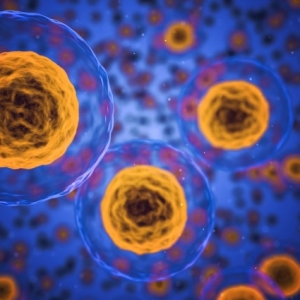
Macrophages serve as both the body’s primary line of defense and the preferred cellular host for many devastating pathogens. Rather than introducing highly toxic agents to kill the parasite directly, advanced therapeutic strategies are now focusing on how distinct parasites interact with these immune cells to discover novel target vulnerabilities:
* Modulating Macrophages in Toxoplasma gondii Infection: The intracellular parasite Toxoplasma gondii actively blocks macrophage polarization into the pro-inflammatory M1 phenotype. By suppressing crucial nitric oxide production and modulating host transcription factors, the parasite survives undetected inside the host cell. Reversing this specific suppression represents a vital therapeutic window for target identification and host survival.
* Regulating Macrophage Responses in Trypanosoma brucei: Chronic Trypanosoma brucei infections trigger a complex, biphasic macrophage response. Managing the delicate biological balance between classical (M1) tissue damage and alternative (M2) immune suppression is absolutely essential to clearing the parasite without inducing fatal systemic hyper-inflammation.
Bypassing Resistance via Host-Directed Immunotherapy
By focusing on host-directed macrophage models, biopharmaceutical researchers can screen compound libraries that modulate host polarization and bolster endogenous clearance pathways rather than directly attacking the pathogen. This strategic shift effectively circumvents the primary pathways where parasites develop drug resistance, clearing a safer, more predictable track toward successful clinical translation. Utilizing sophisticated in vitro macrophage-pathway interaction analysis allows biotech innovators to de-risk their early-stage portfolios and accelerate the delivery of next-generation, resistance-proof infectious disease therapies to the global market.
Accelerate your pipeline development and explore advanced host-directed therapeutic models by partnering with Creative Biolabs. Discover our comprehensive solutions for https://macrophage.creative-biolabs.com/macrophage-in-parasitic-infection.htm.