
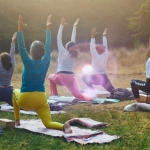






The Transformative Benefits of Practicing in Nature
There is a profound synergy that occurs when the ancient practice of yoga intersects with the raw beauty of the natural world. While traditional studio spaces offer a controlled, focused, and predictable environment, taking your mat outside strips away the artificial elements of our daily lives, inviting a deeper, more visceral connection to the present moment. Whether you are a dedicated student looking to refresh your daily routine or an instructor seeking to offer a more expansive, heart-centered experience, exploring yoga outdoors can fundamentally shift your relationship with mindful movement. The rustle of wind through the trees, the warmth of the sun on your skin, and the grounding texture of the earth beneath your feet all become active participants in your flow. In this comprehensive guide, we will dive deep into the transformative benefits of practicing in nature, outline essential logistical considerations for teaching alfresco classes, and discover how stepping outside can foster a more connected, resilient, and vibrant yoga community.
Taking your practice beyond four walls isn’t just a change of scenery; it is a shift in frequency. Nature inherently demands our presence, subtly pulling us out of our busy minds and into our physical bodies.
Enhancing Mindfulness and Grounding
In a traditional studio, the smooth hardwood floors and mirrored walls create an environment of symmetry and reflection. While helpful for alignment, it can sometimes pull a practitioner's focus outward toward their physical appearance rather than their internal state. Outdoors, the earth is naturally uneven. The grass yields beneath your feet, and the sand shifts under your weight. This requires a heightened level of proprioception—your body's ability to sense movement, action, and location.
Practicing on natural terrain forces you to be entirely present in every micro-adjustment. It cultivates Earthing or grounding, which is the physical connection between the electrical frequencies of the human body and the earth. Many practitioners report that balancing postures like Vrksasana (Tree Pose) or Garudasana (Eagle Pose) take on entirely new meanings when practiced on the very earth that supports all life, deepening both physical stability and mental focus.
Physiological Perks: Vitamin D and Fresh Prana
From a physiological standpoint, practicing outside offers unparalleled health benefits. In yogic philosophy, Prana translates to the vital life force energy that rides on the breath. Breathing in the fresh, oxygen-rich air of a park, forest, or beach delivers a much higher quality of Prana than the recycled air of an indoor space.
Furthermore, exposing your skin to natural sunlight during an early morning or late afternoon flow stimulates the production of Vitamin D. This vital nutrient is crucial for bone health, immune function, and the regulation of mood-boosting neurotransmitters like serotonin. When you combine the endorphin release of physical asana with the mood-elevating properties of natural sunlight and fresh air, the result is a potent, natural remedy for stress, anxiety, and fatigue.
Essential Considerations for Teaching Outdoor Yoga
For yoga teachers, guiding a class in the great outdoors is a deeply rewarding experience, but it requires a unique set of skills and preparation. Mother Nature is unpredictable, and as a teacher, you must become the anchor for your students.
Site Selection and Environmental Logistics
The success of an outdoor class heavily relies on choosing the right location. When scouting a site for your next community gathering or private session, keep these critical factors in mind:
- Terrain: Look for the flattest ground possible. While a slight incline is manageable, heavily sloped areas can put unnecessary strain on your students' joints, particularly in the ankles and wrists during poses like Downward-Facing Dog.
- Shade and Sun Balance: Direct midday sun can cause heat exhaustion and severe sunburn. Aim for early morning or late afternoon classes, and position your class under the dappled shade of large trees or shaded pavilions when possible.
- Accessibility: Ensure the location is easy to find, has adequate parking, and is accessible to all students, including those with mobility challenges.
- Permits: Check local city or county regulations. Many public beaches and parks require a permit if you are teaching a class over a certain number of people or exchanging money for your services.
Projecting Your Voice and Managing Distractions
In a studio, the acoustics work in your favor; outside, your voice must compete with wind, traffic, ocean waves, and passing conversations. To ensure your students feel guided and safe, you must learn to project from your diaphragm rather than straining your vocal cords. For larger classes, investing in a high-quality, portable, and battery-powered microphone and speaker system is a game-changer.
Additionally, you must prepare your students for distractions. Dogs might run through the class, insects will inevitably land on mats, and weather conditions can shift rapidly. As a teacher, use these moments as part of the practice. Remind your students that yoga is not about achieving perfect stillness in a vacuum, but about finding inner peace amidst the chaos of the world.
Adapting Your Sequences for the Elements
A sequence that works flawlessly on a pristine studio floor might not translate well to a sandy beach or a grassy knoll. When designing an outdoor flow, adaptability is your greatest asset.
Focusing on Grounding Asanas and Balance
Because the ground will likely be uneven, it is wise to incorporate a heavy emphasis on grounding asanas. Poses that keep the practitioner low to the earth—such as Malasana (Yogi Squat), Baddha Konasana (Bound Angle Pose), and low lunges—provide a sense of security and stability.
When you do cue standing and balancing postures, encourage students to soften their joints. A rigid knee on an uneven surface is a recipe for injury. Encourage a soft micro-bend in the knees and suggest widening the stance in poses like Virabhadrasana II (Warrior II) to establish a wider, more secure base. Furthermore, finding a Drishti (focal point) outdoors can be tricky when trees are swaying in the wind. Cue your students to find a stationary object, like a rock or a distant building, to help anchor their visual focus.
Incorporating the Environment into the Flow
Rather than fighting the elements, weave them into your teaching dialogue. If a gentle breeze picks up during class, cue your students to notice the sensation of the wind against their skin as they inhale, and to let go of stagnant energy as the wind carries their exhale away. If you are practicing near the ocean, use the rhythm of the crashing waves as a natural metronome for their Ujjayi breath.
Avoid poses that require a high degree of sliding or precise friction. For example, transitioning into full splits (Hanumanasana) might be uncomfortable on grass, and arm balances like Crow Pose (Bakasana) can be daunting if a student fears face-planting into the sand. Keep the flow fluid, intuitive, and focused on feeling rather than aesthetic perfection.
Building Community Through Outdoor Gatherings and Retreats
One of the most beautiful aspects of outdoor yoga is its ability to break down the barriers of exclusivity. Studios can sometimes feel intimidating to beginners; a public park or a local beach is inherently welcoming, creating a fertile ground for genuine human connection.
Fostering Inclusivity and Connection
Hosting donation-based or free community gatherings in local parks removes financial and psychological barriers to entry. It invites passersby to unroll a towel and join in, diversifying your student base. This open-air setting naturally encourages lingering after class. Students are more likely to chat, share a picnic, or simply enjoy the sunset together, forging deep friendships and a strong, heart-centered community. As an instructor, you transition from simply being a fitness guide to becoming a community builder, providing a safe space for people to gather, heal, and connect.
Elevating the Experience: Sound Baths and Immersive Retreats
To truly elevate the outdoor experience, many industry leaders are pairing natural settings with sensory-rich modalities. Incorporating Crystal Bowl or Gong sound baths into an outdoor Savasana creates a magical, deeply spiritual experience. The acoustic vibrations of the bowls mingling with the ambient sounds of nature can facilitate profound emotional release and nervous system regulation.
Beyond local gatherings, taking this concept into immersive, multi-day retreats—whether local or international—allows practitioners to unplug entirely. Retreats hosted in eco-resorts, mountainside shalas, or beachfront properties offer a holistic reset. They provide students the rare opportunity to align their circadian rhythms with the sun, eat nourishing earth-to-table food, and immerse themselves in the transformative power of a dedicated, nature-bound practice.
Conclusion
Stepping out of the studio and into the wild is a profound reminder that we are not separate from nature; we are an extension of it. Teaching and practicing in the elements strips away the ego, demands absolute presence, and infuses our movement with fresh, vibrant energy. It challenges our physical balance, expands our mental resilience, and opens our hearts to the community around us.