


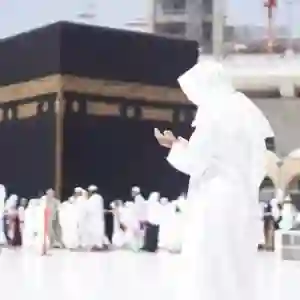
Ramadan can make an Umrah journey feel different from any other time of year. The combination of fasting, prayer, family commitments and increased worship means that ordinary travel decisions can take on greater importance.
When comparing Ramadan umrah packages, it is therefore worth looking beyond the basic question of where you will stay and how much the trip costs.
A better question is: how will the arrangements affect the days that matter most to you?
Perhaps you want to spend more time at the Haram. Maybe your priority is being in Makkah during the final part of Ramadan. You may be travelling with relatives and need arrangements that work for different energy levels.
The more clearly you understand those priorities, the easier it becomes to choose a package that supports them.
Start With the Parts of Ramadan You Value Most
Not every part of Ramadan will necessarily have the same importance to you.
Some pilgrims may be particularly interested in the opening days of the month. Others may want to experience the atmosphere of the final ten nights.
Your work schedule, school holidays, family commitments and budget may determine when you can travel, but you can still identify which part of the month matters most.
This gives your planning a useful starting point.
Instead of looking at available Ramadan umrah packages from UK and trying to decide which one looks most impressive, first ask what you want the trip to make possible.
The package then becomes a means of supporting your priorities rather than the thing that determines them.
Think About the Days Before You Travel
The quality of a pilgrimage can sometimes be influenced by what happens before the flight even begins.
If you are working right up until departure, travelling a long distance to the airport and then boarding a late flight, you may arrive in Saudi Arabia already exhausted.
This can be particularly noticeable during Ramadan.
Where possible, consider how much breathing room you have before departure.
Could you finish important work earlier?
Can you prepare your luggage in advance?
Have you organised your documents before the final evening?
Small decisions made before travelling can reduce the amount of mental pressure you carry onto the plane.
Don't Underestimate the Value of a Simple First Day
Your arrival day does not need to be your most productive day.
After travelling from the UK, you may need time to settle into your accommodation, organise your belongings and understand your surroundings.
If you are fasting, the timing of your arrival can make the transition even more significant.
Rather than expecting yourself to immediately follow an ambitious schedule, consider keeping your first day relatively straightforward where possible.
A calm beginning can help you establish a routine for the days that follow.
Make Your Accommodation Work for Ramadan
During Ramadan, accommodation becomes part of your daily worship routine.
You may return to your room to rest during the day, prepare for evening prayer, sleep after Taraweeh or wake for suhoor.
That means practical comfort can matter more than a long list of hotel features.
Think about the people sharing the room, sleeping patterns, available space and how easily everyone can organise themselves.
For families, room arrangements may be particularly important.
For couples or solo travellers, the priorities may be different.
There is no single definition of the ideal room. What matters is whether the accommodation supports the way you expect to use it.
Give Yourself a Buffer Around Important Travel Days
Transfers between cities can create a natural break in your routine.
Even when the journey itself is straightforward, packing, checking out, travelling and checking into another hotel can take time and energy.
This matters during Ramadan because your usual pattern of prayer, fasting and rest is already more structured.
If possible, avoid treating a transfer day as though it will be identical to a normal day in your itinerary.
Allow yourself time to settle.
You may find that giving yourself a little breathing room makes the entire journey feel more manageable.
Think About the Final Ten Nights Differently
For many Muslims, the final ten nights of Ramadan carry particular importance.
If your travel dates include this period, your priorities may naturally change.
You may want to reduce unnecessary activities and give more attention to worship.
This is one reason a package should not be assessed purely by its total number of inclusions.
A schedule that looks attractive earlier in the month may become less appealing if it creates unnecessary commitments during the period when you most want flexibility.
When planning around the final ten nights, think about what you want your evenings to look like.
Don't Build a Schedule That Competes With Your Worship
It can be tempting to fill your itinerary because the opportunity to visit Makkah and Madinah feels precious.
But more activity does not necessarily mean a better pilgrimage.
Every additional commitment requires time and energy.
During Ramadan, those resources are already being used by fasting and worship.
Consider which activities are genuinely important and which could be left optional.
A less crowded personal schedule can give you the freedom to respond to how you feel each day.
That flexibility can be particularly useful during the final part of Ramadan.
Make Family Expectations Clear Before Departure
Travelling as a family can be rewarding, but different people may have very different ideas about how the trip should work.
One person may want to spend most of the evening at the Haram.
Another may prefer returning to the hotel earlier.
Children may need a different sleep pattern, while older relatives may need more rest.
Discuss these expectations before travelling.
You do not need to create a strict family timetable.
Simply knowing what matters to each person can prevent misunderstandings once you arrive.
It can also make it easier to agree when everyone should meet and when individuals can follow their own routines.
Think About What You Will Need at Iftar
Fasting adds a practical dimension to travel that should not be ignored.
If you are away from your accommodation around sunset, think ahead about what you may need.
You might want to carry suitable essentials with you rather than assuming that every part of the evening will happen exactly where you expected.
The point is not to overplan every meal.
It is simply to recognise that travelling while fasting can make small inconveniences feel more significant.
A little preparation can prevent an avoidable problem from interrupting your evening.
Keep Official Guidance on Your Phone
Travel information should not depend entirely on what you remember from previous years or what another pilgrim tells you.
Saudi regulations, procedures and guidance can change.
The Saudi Ministry of Hajj and Umrah currently provides official guides covering Umrah procedures and pilgrims' rights and responsibilities. Its guidance also includes information intended to help pilgrims understand the services connected with their journey.
The Ministry also makes awareness material available through its official channels, with guides that can be accessed in multiple languages and downloaded for offline use.
Saving important official information to your phone before travelling can be useful if you later have limited internet access.
Leave Room for the Unexpected
Even a carefully planned Ramadan journey will contain things you cannot predict.
A flight may be delayed.
A transfer may take longer.
You may feel more tired than expected.
A family member may need to change their routine.
Instead of treating these possibilities as problems that must be eliminated, build enough flexibility into your plans to accommodate them.
A rigid schedule can make a small change feel much larger than it really is.
A flexible schedule gives you somewhere to absorb it.
Remember That Rest Has a Purpose
There can be a tendency during Umrah to feel guilty about resting.
You have travelled a long way. You are in Makkah or Madinah. Ramadan is passing quickly.
It can therefore feel as though every spare minute should be used for worship.
But physical exhaustion can eventually affect concentration and patience.
Resting can help you return to worship with greater energy.
It can also help you remain considerate towards the people travelling with you.
The objective is not to maximise activity.
It is to create a sustainable rhythm.
Let the Important Days Shape the Rest of the Trip
When researching Umrah packages, try working backwards from the parts of Ramadan that matter most.
If the final ten nights are your priority, consider how you want the days leading into them to feel.
If spending meaningful time in both Makkah and Madinah matters to you, think about how the transition between the two cities fits into the wider journey.
If you are travelling with family, consider when everyone is likely to need more flexibility.
This approach can be more useful than simply choosing dates first and trying to make your priorities fit afterwards.
Choose Around Your Priorities, Not Someone Else's
There is no universal formula for the perfect Ramadan pilgrimage.
One traveller may value location above everything else.
Another may prioritise a longer stay.
Someone else may care most about a comfortable room, convenient transfers or having enough flexibility for family members.
If you are researching umrah packages 2026, use other people's experiences for ideas rather than treating them as instructions.
Your circumstances are your own.
A package that works brilliantly for one pilgrim may be unsuitable for another.
Make the Practical Side Quieter
The purpose of good travel planning is not to make the pilgrimage feel like a perfectly controlled project.
It is to reduce unnecessary distractions.
When your documents are organised, your arrangements are clear and your itinerary has enough flexibility, you can spend less mental energy worrying about logistics.
That can be particularly valuable during Ramadan.
The practical side of the journey will always exist, but it does not need to dominate your attention.
Choose a Package That Gives You Room to Worship
Ultimately, the most useful way to evaluate Ramadan umrah packages is to ask what they allow you to do, rather than simply what they include.
Do the dates suit the part of Ramadan you care about?
Does the accommodation support your daily routine?
Is there enough flexibility around travel days?
Can your family members manage the schedule?
Will you have space for rest and worship rather than constantly moving from one commitment to another?
These questions move the decision away from package descriptions and towards the reality of the pilgrimage.
A successful Ramadan journey does not have to be packed with activity.
Sometimes the best arrangement is the one that quietly takes care of the practical details while leaving you with enough time and energy to focus on what brought you there in the first place.