

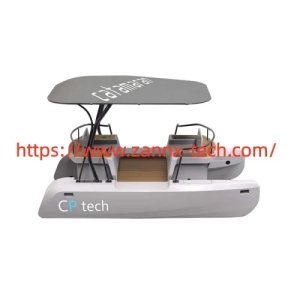
Leisure Boat buyers have plenty to consider before placing an order, and the decision involves far more than choosing an attractive shape or a comfortable seating arrangement. The right vessel should suit the intended water conditions, number of passengers, available storage, and expected frequency of use. For private owners, dealers, and commercial buyers, a clear understanding of these practical details makes product comparisons easier and helps prevent costly mismatches.
Picture a typical day on the water. One buyer may want a quiet afternoon with family, while another may plan regular coastal outings with friends. A rental operator may focus on passenger turnover, cleaning, and durability. These different situations call for different layouts and equipment choices, so defining the main purpose is a sensible place to begin.
Hull construction deserves careful attention. Materials influence weight, upkeep, resistance to corrosion, and the type of maintenance required over time. Fiberglass, aluminum, and other construction materials each have characteristics that may suit particular applications. Buyers should ask about material specifications, structural design, finishing methods, and recommended care rather than assuming that appearance alone indicates long term suitability.
The intended operating environment matters just as much. Calm inland waters, sheltered bays, and open coastal areas can create different demands on a vessel. Hull shape, freeboard, stability, and handling characteristics should be considered alongside the manufacturer's stated operating limits. A model intended for sheltered recreational use should not automatically be assumed suitable for more exposed conditions.
Passenger capacity is another point worth checking early. The number of seats should match the expected group size, but seating alone does not determine how comfortable a trip will feel. Legroom, movement between seating areas, access to handholds, and the placement of essential equipment can all affect the onboard experience. Buyers should also confirm the rated passenger limit and load capacity specified for the particular model.
Power selection requires a little thought beyond the advertised engine rating. Buyers should consider typical cruising speed, expected travel distance, fuel availability, operating noise, and routine service needs. Depending on the vessel design and intended use, an electric propulsion system may also be worth evaluating. Compatibility between the hull, propulsion unit, battery or fuel system, and onboard electrical equipment should be confirmed before a purchase.
Storage can easily be overlooked during an initial inspection. Towels, personal belongings, safety equipment, refreshments, and activity gear all need suitable places. A well planned layout helps keep walking areas clear and reduces clutter during a trip. If the vessel will carry fishing equipment or supplies for longer outings, buyers should check compartment dimensions, access points, and practical weight distribution.
Safety equipment deserves the same attention as comfort and appearance. Ask which items are included and which must be purchased separately. Life jackets, navigation lights, communication equipment, fire protection, and other required items depend on the vessel category, location, and applicable regulations. Buyers should verify the relevant local requirements and make sure the equipment is appropriate for the intended operation.
Maintenance and ownership costs also deserve a realistic assessment. Cleaning, storage, inspections, replacement parts, engine servicing, and winter preparation can all affect the total cost of use. Ask the supplier which tasks need regular attention, what service intervals apply, and whether replacement components are available. Clear answers make budgeting easier, particularly for dealers and operators managing several vessels.
A physical inspection or detailed product review can reveal useful information that a specification sheet may not show. Look closely at fittings, access panels, seating attachments, finish quality, and the arrangement of controls. If an in person inspection is not possible, request clear photographs, dimensional drawings, configuration details, and documentation covering the intended application. Buyers should also clarify warranty terms, delivery arrangements, and any customization options before confirming an order.
At Zannx, product selection should begin with a practical conversation about how the vessel will be used, the environment it will operate in, and the features that matter to the buyer. Preparing these details in advance helps make discussions with a manufacturer more focused and supports a more suitable configuration. Whether you are comparing models for personal recreation or evaluating options for your business, reviewing specifications carefully is a worthwhile step. Visit https://www.zannx-tech.com/ to view the company website and discuss product options that align with your plans.