

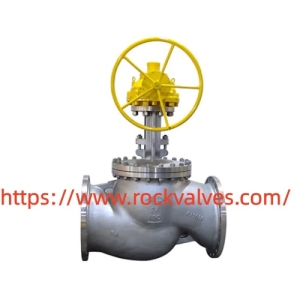
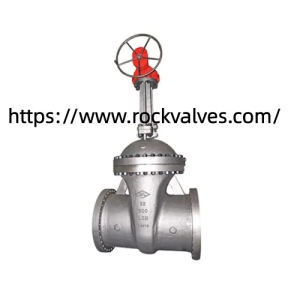
Cast Steel Gate Valve for Power Plant selection requires a detailed review of operating conditions, engineering specifications, and maintenance expectations. Power generation facilities contain interconnected systems that may handle steam, feedwater, cooling water, and other process media under different pressure and temperature conditions. Procurement teams should establish the intended service, design parameters, connection requirements, and applicable standards before requesting a quotation. This preparation helps engineers and manufacturers discuss the equipment requirements clearly and reduces the risk of specification gaps during installation.
One important consideration is the location where the valve will be installed. Equipment used in a steam line may face different temperature and pressure conditions from equipment installed in a cooling water circuit. Buyers should identify the process medium, normal operating range, design pressure, design temperature, and any expected fluctuations. Startup, shutdown, and emergency operating conditions may also affect the selection. Providing this information allows the manufacturer to evaluate the proposed configuration against the actual requirements rather than relying on nominal size alone.
Material specifications deserve close attention because power station equipment can operate under demanding thermal and mechanical conditions. The body, stem, disc, seat, and other pressure containing or functional components may require different material considerations. Buyers should verify the specified material grades and confirm that they are appropriate for the service temperature and process medium. Where the project requires traceability, material certificates and relevant test records should be included in the purchasing documentation. The engineering team should also review applicable requirements for impact toughness, corrosion resistance, and mechanical strength.
Pressure class and temperature limits should be assessed together. A rating that appears suitable at one temperature may not apply under another operating condition. Buyers should consult the applicable pressure and temperature tables and confirm the required design conditions with qualified engineers. If the system experiences frequent thermal cycles or changing pressure loads, these operating patterns should be documented before equipment selection. This information can help clarify whether the proposed design is suitable for the intended duty and whether additional project specific verification is necessary.
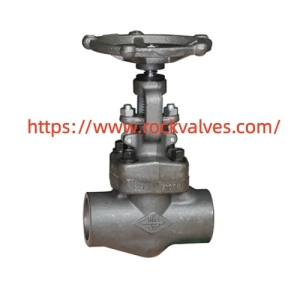
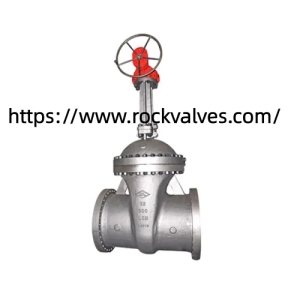
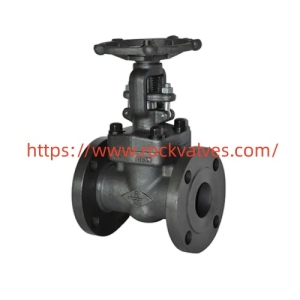
The internal design should match the function of the equipment in the pipeline. Gate valves are generally intended for isolation, allowing a pipeline section to be opened or shut rather than providing continuous flow regulation. Buyers should consider the expected operating position, frequency of operation, available installation space, and pressure drop requirements. The wedge configuration, stem arrangement, bonnet design, and seating surfaces may also influence maintenance procedures and operational suitability. These features should be assessed according to the system design and the manufacturers technical documentation.
Connection compatibility is another practical issue. Nominal diameter alone does not establish whether a valve can be installed correctly. Procurement teams should check flange standards, pressure class, face to face dimensions, drilling patterns, flow direction, and any project specific dimensional requirements. These details need to match the approved piping drawings and adjoining equipment. For large projects with numerous valve sizes, a schedule listing each item and its service conditions can help prevent ordering errors. Engineering approval of drawings before manufacturing may also reduce installation changes later.
Inspection arrangements should be agreed upon before an order is placed. Buyers can ask about pressure testing, dimensional verification, visual examination, material identification, and documentation supplied with the shipment. The inspection scope should follow the applicable product standards, purchase specification, and project requirements. If independent inspection is required, the parties should define the inspection stages and acceptance criteria in advance. Clear records help quality personnel review conformity and provide traceability throughout project documentation and equipment handover.
Maintenance planning also influences the purchasing decision. Power generation facilities need to coordinate equipment inspections with scheduled maintenance windows and wider plant operating plans. Buyers should consider access to the handwheel or actuator, packing components, bolted connections, and serviceable internal parts. Availability of replacement components and technical guidance may also affect future maintenance arrangements. Discussing these needs before procurement helps the facility prepare a realistic servicing plan and identify any installation limitations that could complicate inspection or repair.
The supplier evaluation process should extend beyond the initial quotation. Procurement teams can review manufacturing experience relevant to the application, production planning, quality procedures, communication practices, and ability to provide required documentation. They should also confirm delivery schedules, packaging arrangements, warranty conditions, and procedures for addressing discrepancies. When several quotations are compared, the same technical specification should be used for each supplier. This approach makes differences in materials, testing scope, included accessories, and commercial terms easier to evaluate fairly.
Rockv supports industrial buyers who need to coordinate valve specifications with the requirements of power generation projects. Before requesting a quotation, prepare the process medium, pressure and temperature range, nominal diameter, connection standard, operating method, and inspection requirements. Sharing these details can make technical discussions more productive and help establish a clear basis for selecting an appropriate configuration. To review available products and discuss your project requirements with Rockv, visit https://www.rockvalves.com/ and provide the relevant application details for evaluation.