

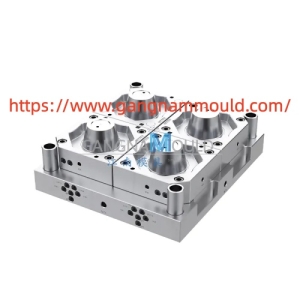
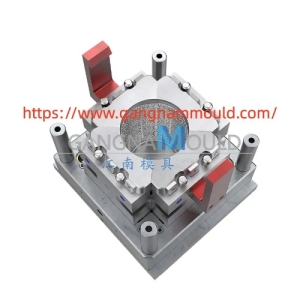
Crate Box Mould selection requires careful consideration of product design, manufacturing conditions, material properties, and long term operating costs. For businesses producing plastic containers for warehouses, factories, agriculture, retail, and distribution, the tooling can influence structural strength, stacking performance, product consistency, and production efficiency. Buyers should look beyond the initial quotation and examine how a proposed solution fits their products, equipment, and expected order volumes. A structured evaluation can help reduce misunderstandings and support more informed purchasing decisions.
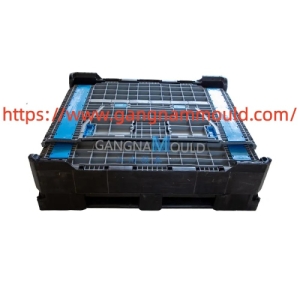
The intended application should be defined before technical discussions begin. Containers used for transporting heavy components may require reinforced corners, thicker load bearing sections, and stable stacking features. Agricultural containers may need ventilation openings that support air circulation, while distribution containers may require dimensions compatible with shelving systems or automated handling equipment. These differences affect the overall structure and manufacturing requirements. Buyers should provide clear information about the operating environment, expected contents, handling methods, and storage conditions so the manufacturer can assess the proposed design.
Dimensional planning is another important part of the process. Overall length, width, height, wall thickness, handle openings, base geometry, and stacking features should be specified clearly. Small dimensional differences can affect how containers fit together, stack in storage areas, or move through material handling systems. Detailed engineering drawings and three dimensional files can help communicate these requirements. If the product needs to fit an existing container system, buyers should provide measurements of compatible components and identify any dimensions that require particularly close control.
Material selection should reflect the expected working conditions. Different plastic resins offer different combinations of impact resistance, stiffness, flexibility, temperature tolerance, and chemical resistance. A container used in a cool warehouse may have different requirements from one exposed to sunlight, moisture, or repeated impacts during transport. Buyers should discuss material options with the manufacturer and explain whether the finished product will carry heavy goods, contain food related supplies, or be used in industrial environments. Material decisions should also consider availability, processing characteristics, and the cost of producing each unit.
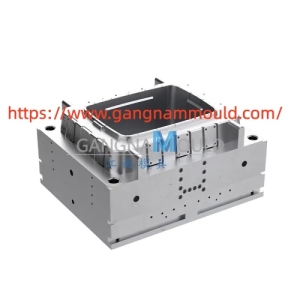
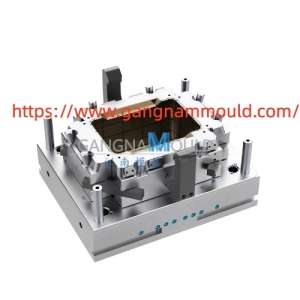
The tooling structure deserves close examination because it influences how the product is formed. Cavity layout, gate placement, venting, cooling channels, and reinforcement details should correspond to the product geometry and intended resin. Uneven cooling can contribute to shrinkage differences or warping, while inadequate venting may create filling issues in particular areas. Buyers can ask how the manufacturer plans to evaluate these factors during engineering and trial production. Clear technical explanations make it easier to compare proposals and understand which design choices may affect the production process.
Machine compatibility is equally important. Before approving the tooling design, buyers should provide information about the injection molding machine, including clamping force, injection capacity, platen dimensions, and available operating parameters. The manufacturer can then assess whether the proposed design fits the equipment and whether installation requirements need additional planning. Businesses that intend to manufacture the same product at different facilities should communicate the specifications of each machine in advance. This helps identify potential compatibility issues before manufacturing work is completed.
A planned sampling process can help verify whether the design meets the agreed requirements. During trial production, buyers should assess dimensions, surface appearance, flash, warping, filling consistency, and stacking stability. Where relevant, the evaluation can also include load testing under defined conditions. Acceptance criteria should be established before samples are reviewed, and any necessary corrections should be recorded. This creates a reference for both parties and helps clarify when the product is ready for routine manufacturing.
Production costs should be evaluated as a complete project rather than a single purchase figure. The initial tooling expense is only one part of the calculation. Cycle time, material consumption, expected output, energy use, maintenance requirements, and possible design revisions can also affect operating costs. Buyers should ask the manufacturer to explain the assumptions behind estimated production figures and clarify which services are included in the quotation. Comparing these details helps purchasing teams prepare budgets that reflect actual manufacturing needs.
Maintenance planning can also influence long term production stability. Regular cleaning, inspection, appropriate lubrication where required, and proper storage can help preserve tooling condition. Buyers should ask which components need routine attention, how wear will be monitored, and whether replacement parts can be supplied when necessary. Easy access to serviceable components may reduce maintenance time. Clear operating instructions and inspection records also help production staff follow consistent procedures and communicate technical issues more effectively.
For companies developing customized plastic storage products, Gangnammould offers a starting point for discussing tooling specifications, structural requirements, and production objectives. Buyers can prepare engineering drawings, material preferences, machine information, and estimated order quantities to make the consultation more productive. Visit https://www.gangnammould.com/ to review the company website and explore its manufacturing services in relation to your project needs. With careful specification planning, practical testing, and clear communication, businesses can evaluate potential suppliers and prepare for a more organized production process.