


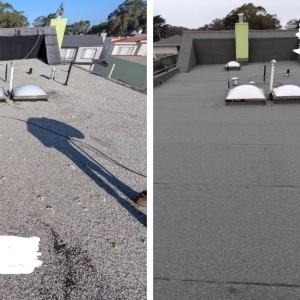
A reliable roofing system is one of the most important parts of any property. It protects the building from rain and moisture, helps preserve the underlying structure, and contributes to the comfort of the people inside. For homeowners and property managers researching San Francisco roofing, understanding how to maintain a roof, recognize common problems, and choose a qualified contractor can help prevent avoidable expenses.
San Francisco has a wide variety of residential and commercial buildings. Roofing requirements can differ depending on a property's age, roof slope, materials, drainage system, and architectural design. A sloped residential roof may need shingle repairs, while a low-slope commercial roof may require a different inspection and maintenance approach.
Because each roof has its own characteristics, the right solution should begin with an assessment of its current condition.
Understanding Roofing Challenges in San Francisco
Local environmental conditions can influence how roofing systems perform over time. Coastal fog, moisture, wind, and seasonal rainfall can expose roofing materials and drainage components to ongoing wear.
Roof penetrations, flashing, roof edges, and transitions between different materials deserve particular attention because they can become entry points for water when damaged or improperly installed.
Debris can also affect drainage. If gutters or downspouts become blocked, water may overflow and affect exterior walls or other parts of the property.
These conditions do not mean every roof will develop problems. However, understanding the factors that affect your building can help you arrange appropriate maintenance and identify concerns before they become more extensive.
Roof Inspections: The First Step Toward a Practical Solution
When a roof begins to leak or show signs of deterioration, it can be tempting to arrange an immediate patch without investigating the cause. Although localized repairs are sometimes sufficient, the underlying problem should be identified first.
A roofing inspection can evaluate visible roofing materials, flashing, roof penetrations, drainage, and other accessible components. If there are signs of moisture intrusion, the contractor may also need to investigate the condition of the underlying sheathing or other affected materials.
Common warning signs include:
- Water stains on ceilings or walls.
- Missing, cracked, or deteriorated roofing materials.
- Repeated leaks after previous repairs.
- Loose or damaged flashing.
- Gutters that overflow or drain poorly.
- Visible deterioration around skylights and roof penetrations.
- Signs of moisture affecting the roof structure.
Not every symptom requires a complete roof replacement. An inspection helps establish the extent of the problem and determine which repairs are appropriate.
Roof Repair: Addressing Problems Before They Spread
Roof repair can help restore the performance of a roofing system when damage is limited and the surrounding materials remain serviceable.
The work may involve repairing damaged shingles, replacing flashing, patching a compatible roofing system, or addressing a leak near a roof penetration.
The quality of the repair depends on identifying the source of the damage and using materials appropriate for the existing roof. Applying sealant to a visible opening without examining the surrounding area may provide only temporary relief if the underlying issue remains unresolved.
Homeowners should also pay attention to recurring problems. If a leak returns after repair, ask the contractor whether the original source was correctly identified or whether additional damage may be present.
Prompt attention can help limit the amount of moisture that reaches insulation, sheathing, ceilings, and interior finishes.
Roof Replacement: Planning for Long-Term Performance
Sometimes, repairing an existing roof is no longer the most practical option. Widespread deterioration, repeated leaks, significant damage, or extensive repair requirements may justify a complete replacement.
A roofing contractor should explain why replacement is recommended and identify the conditions that affect the decision. The roof's age is one consideration, but the type of material, previous maintenance, installation quality, and current condition also matter.
Before approving a replacement project, ask for a written estimate that identifies:
- The roofing materials and products proposed.
- The removal and disposal of existing materials, where applicable.
- The process for addressing damaged sheathing.
- Flashing and roof penetration details.
- Project preparation and property protection.
- Cleanup arrangements and applicable warranty information.
- Work that is excluded from the estimate.
These details help you compare proposals fairly and understand the scope of the project.
Flat and Low-Slope Roofing
Flat and low-slope roofs require particular attention to drainage and material compatibility. Although these roofs may appear level, they generally rely on a designed drainage arrangement to move water away from the building.
Standing water, deteriorated seams, damaged flashing, or blocked drains can indicate a problem that deserves professional assessment.
Roof coatings may be appropriate for some compatible systems, depending on the existing material and its condition. However, coating is not a universal solution for leaks or extensive deterioration.
Before selecting a coating or patching system, ask the contractor to evaluate whether the existing roof is suitable for that treatment. Any necessary repairs should be addressed before the coating is applied.
For commercial property owners, maintenance planning is especially useful because roofing problems can affect occupied spaces, equipment, inventory, and business operations.
Gutters and Downspouts Protect More Than the Roof
Gutters and downspouts play a direct role in managing rainwater around a property. When these components fail to carry water away properly, overflow may affect exterior walls, roof edges, and the ground around the building.
Common concerns include accumulated debris, leaking joints, loose brackets, damaged sections, and blocked downspouts.
The appropriate maintenance schedule depends on factors such as nearby trees, roof design, and the amount of debris reaching the drainage system.
If water repeatedly overflows from the same location, a roofing professional can help determine whether the problem involves a blockage, damaged gutter, or another drainage issue.
Keeping drainage components in working condition is a practical part of an overall roofing maintenance plan.
Flashing, Skylights, and Sheathing
A roof is a complete assembly rather than a single layer of material. Flashing helps manage water at joints and transitions, including areas around walls, vents, skylights, and roof edges.
If flashing deteriorates or is incorrectly installed, water may enter even when the main roof covering appears to be intact.
Skylight leaks also require careful diagnosis. The problem may involve the skylight assembly, surrounding flashing, adjacent roofing materials, or a combination of factors.
Sheathing is equally important because it supports the roofing material. When prolonged moisture exposure damages the underlying surface, affected sections may need repair or replacement.
Discussing these components during an inspection helps ensure that the proposed work addresses the roofing system as a whole rather than only its most visible surface.
How to Select a Roofing Company in San Francisco
Finding a suitable contractor involves more than comparing estimates. Begin by verifying the company's licensing, insurance, and experience with the type of roof installed on your property.
Ask for a written description of the proposed work and make sure you understand which materials will be used, how the project will be supervised, and how unexpected damage will be handled.
It is also useful to ask who will be your main contact throughout the job and how progress or changes will be communicated.
A professional contractor should be able to explain why a repair or replacement is recommended, discuss reasonable alternatives, and clarify the limitations of each option.
Be cautious of estimates that are vague about materials, exclude essential work without explanation, or promise a permanent solution without properly assessing the roof.
A clear scope of work helps establish expectations and makes it easier to evaluate the overall value of the project.
Why Consider UL Roofing for San Francisco Roofing?
UL Roofing Inc. is a family-owned and operated roofing company established in 1988. The business serves San Francisco and the Bay Area, offering roofing services for residential and commercial buildings.
According to its website, UL Roofing provides roof repair and replacement, roof coating, patching, gutter and downspout work, skylight replacement, flashing repair and replacement, and sheathing repair and replacement. The company also lists bird spike installation and attic insulation installation among its services.
UL Roofing states that it is licensed, bonded, and insured. The company explains that the owner and trained staff personally oversee inspections and roofing installations rather than relying on unsupervised crews or subcontractors.
Its website also advertises a best-price guarantee involving competitor bids. Contact the company directly to confirm the current conditions and eligibility before relying on that offer.
For property owners comparing roofing companies, discussing the actual condition of the roof and requesting a clear estimate is a useful way to evaluate the available options.
Take the Next Step Toward a Better-Maintained Roof
Roof maintenance is easier to plan when you understand the condition of the existing system. Whether you are dealing with a leak, evaluating an aging roof, considering a replacement, or addressing drainage problems, a professional inspection can help you prioritize the work.
If you are looking for San Francisco roofing services, UL Roofing can discuss your property's needs and help you explore the available roofing options.
Contact UL Roofing Inc.
Website: https://www.ulroofing.com/
Phone: 415-658-5358
Start with an assessment, review the recommended work, and choose a roofing solution that suits your property, budget, and long-term maintenance needs.