
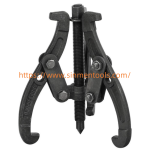

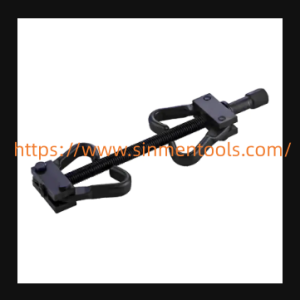
Suspension maintenance often requires technicians to separate tightly connected components without disturbing nearby parts. Ball joints allow controlled movement between connected sections of a vehicle's suspension or steering system, but their fitted connections can become difficult to release after prolonged use. Corrosion, accumulated dirt, and repeated mechanical stress may complicate removal. A Ball Joint Separator provides a purpose-designed way to separate compatible joints when used according to the vehicle manufacturer's service procedure. Choosing an appropriate design involves understanding the working environment, material quality, access limitations, and the condition of the surrounding assembly.
The materials used in separation tools influence their durability and ability to withstand repeated workshop use. Steel components must provide suitable strength and toughness, particularly around contact points that experience concentrated force. Manufacturing methods such as forging and machining can contribute to structural consistency and the accuracy of interacting surfaces. The quality of threaded parts also matters because they help control the movement of certain separator designs. Buyers should consider the manufacturer's production standards, inspection practices, and finish quality instead of relying on weight or visual appearance as the only indicators of durability.
Surface protection deserves attention in workshops where tools regularly encounter moisture, grease, road grime, and cleaning agents. Appropriate coatings can help protect exposed metal from corrosion and make routine cleaning more convenient. However, protective finishes do not eliminate the need for inspection. Technicians should examine contact surfaces, moving connections, and threaded areas for wear, deformation, or contamination before use. Damaged tools can engage poorly or behave unpredictably under force. Cleaning equipment after maintenance and storing it in a dry, organized location can help preserve its condition between jobs.
Choosing the right design starts with identifying the joint and the vehicle involved. Suspension layouts differ, and the available working space may be restricted by control arms, steering components, brake assemblies, or other nearby parts. Fork-style separators and screw-operated designs use different methods to release a joint, so their suitability depends on the application and the required removal procedure. Buyers should compare the tool's contact shape, opening arrangement, reach, and intended use with reliable service documentation. A tool that fits one vehicle may not be appropriate for another, even when the joints appear similar.
Purchasing decisions should also account for the type of work performed most frequently. Independent repair shops may need several compatible designs to accommodate varied vehicle models, while maintenance teams working with a narrower range of equipment may prefer a more focused selection. Before purchasing a set, buyers should check what accessories are included, whether components are clearly identified, and whether instructions explain the tool's intended applications. Distributors may also benefit from consistent packaging, replacement-part availability, and access to technical support. These considerations can be more valuable than choosing a set simply because it contains many pieces.
Functional engineering affects how force is transferred during separation. The tool must engage the intended surfaces securely and remain correctly positioned as pressure is applied. Screw-operated mechanisms can allow gradual adjustment, while fork-style designs may be useful in applications where their contact geometry and access requirements are suitable. In either case, poor alignment can cause slipping or damage to adjacent components. Technicians should verify the setup before beginning, follow the specified procedure, and stop if the separator moves unexpectedly or the joint does not release as anticipated. Applying additional force without reassessing the setup can increase the risk of component damage.
The user experience depends on how easily a technician can position, adjust, and remove the tool. Clear operating instructions, accessible adjustment points, and components that are easy to identify can make preparation more straightforward. A practical design should also allow users to recognize wear or damage during routine inspection. Because suspension joints may release suddenly, appropriate eye protection and safe working practices are essential. Vehicles must be properly supported, and surrounding components should be handled according to the manufacturer's guidance. Good tool design can support controlled work, but it cannot replace training or careful judgment.
Appearance and storage arrangements contribute to the everyday usefulness of workshop equipment. Consistent surface finishing can make products easier to inspect, while clearly differentiated components help technicians identify the right tool for each job. A durable case or organized holder can keep accessories together, protect working surfaces from unnecessary contact, and simplify transport between service bays. For workshops where equipment is shared, a clear storage layout also helps identify missing components before work begins. Visual design is most useful when it supports recognition, inspection, and organization rather than serving as decoration alone.
Taizhou Xinming Technology Co., Ltd. manufactures automotive maintenance tools, pullers, hydraulic tools, and tool sets for different workshop applications. When evaluating joint separation equipment, repair businesses and distributors can discuss their typical vehicle applications, preferred tool designs, access requirements, and packaging needs with the company. Understanding these details can help buyers identify products that fit their service procedures and customer requirements. More information about its automotive tools and manufacturing capabilities is available at https://www.sinmentools.com/.