
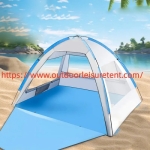

Beach Tent Supplier selection involves more than comparing product photographs or unit prices. For outdoor brands, importers, and retailers, understanding how different customer groups use portable shelters can help shape a product range that meets practical expectations. Families may value generous covered space, while solo travelers often prefer compact equipment that fits easily into a vehicle. Retailers also need to consider storage, transportation, seasonal demand, and product presentation before placing a wholesale order. Matching design features with real usage scenarios can make purchasing decisions more informed and help businesses serve different customer segments.
Family customers often look for a comfortable place to rest between swimming, walking, and other outdoor activities. Their requirements may include sufficient room for adults and children, convenient access, and materials that provide shade during sunny conditions. A wider opening can make entering and leaving easier, while mesh panels can encourage airflow in warm weather. Depending on the intended application, buyers may also consider pockets for small belongings and enough interior space for a picnic mat or personal items. These details can influence how useful a product feels during a full day outside.
Customers who travel alone or in pairs usually have different priorities. A compact structure, manageable carrying weight, and a storage bag that fits into limited luggage space may matter more than a large interior. Quick opening and straightforward folding can also reduce preparation time, particularly for spontaneous trips and short visits to parks or lakesides. For retailers, offering several sizes can address different shopping preferences without relying on a single design. Product descriptions should clearly state dimensions, packed size, weight, frame material, and recommended capacity so buyers can compare options using consistent information.
Material selection also affects customer satisfaction and product positioning. Polyester fabrics are commonly used in portable outdoor shelters because they can offer a practical balance between weight and everyday usability. Coatings, fabric density, stitching, and frame construction should be assessed according to the intended application and applicable performance requirements. Buyers may also wish to review the stated ultraviolet protection rating, water resistance information, ventilation layout, and care instructions. Claims about weather protection should match documented specifications and testing rather than broad promises. Clear technical information helps distributors explain product capabilities accurately and set appropriate expectations for end users.
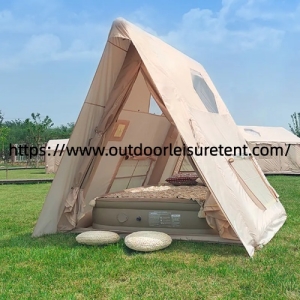
Different sales channels may require different product configurations. An online retailer could prioritize compact packaging, clear product images, and straightforward assembly instructions because shoppers often evaluate items remotely. A camping store may prefer several sizes and structural styles that customers can compare in person. Promotional merchandise businesses might focus on selected colors, printed logos, or coordinated packaging for seasonal campaigns. Before confirming a custom order, buyers should establish minimum order quantities, available customization methods, sample procedures, production schedules, and packaging requirements. Agreeing on these details early can help reduce misunderstandings during manufacturing and delivery.
Price planning should consider the complete purchasing process rather than the quoted unit cost alone. Freight charges, carton dimensions, import duties, packaging specifications, inspection arrangements, and expected order volumes can all influence the final landed cost. Retailers should also estimate how much warehouse space each product requires and whether the packed dimensions fit their distribution system. For seasonal goods, demand forecasts and delivery timing deserve particular attention because late arrivals may affect planned sales periods. A clear purchasing checklist helps businesses compare quotations fairly and evaluate whether a proposed configuration suits their operating model.
Reliable communication between a manufacturer and its business customers is another important part of product development. Buyers should share their target market, preferred dimensions, intended customer group, packaging needs, and any relevant compliance requirements. Manufacturers can then assess whether existing models are suitable or whether adjustments may be needed. Reviewing samples, confirming specifications in writing, and agreeing on inspection criteria before mass production can support a more organized purchasing process. After delivery, collecting feedback from retailers and end users can reveal opportunities to refine product sizes, assembly instructions, storage solutions, and future product selections.
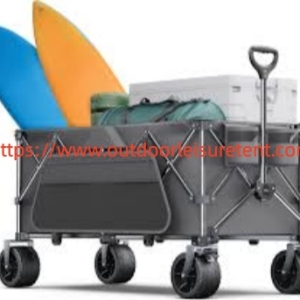
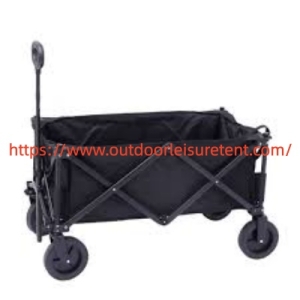
Mansen focuses on outdoor leisure equipment, including portable sunshade products, camping shelters, and related accessories. Its product range gives distributors and retailers options to evaluate for family recreation, travel, and other outdoor applications. Businesses considering a new seasonal collection can compare construction details, available configurations, packing requirements, and customization possibilities against their customers needs. By connecting product design with practical purchasing criteria, buyers can develop a range that reflects how people actually spend time outdoors. To review available models and discuss suitable configurations, visit https://www.outdoorleisuretent.com/product/ and explore the options offered by Mansen for your intended market.