

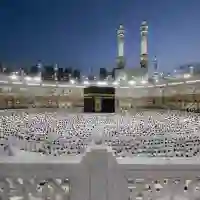

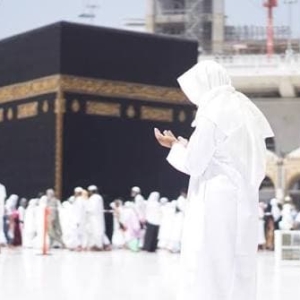
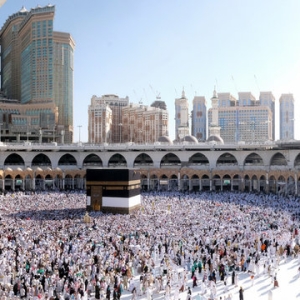
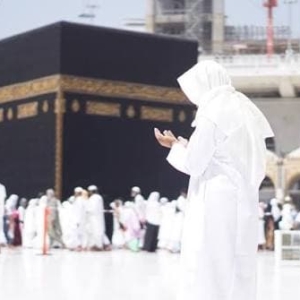

A family can travel to Makkah with the same intention and still experience the journey in very different ways. A child may be excited by unfamiliar surroundings, a parent may be concentrating on keeping everyone organised, and an older relative may need more time to rest between activities.
These differences do not have to become obstacles. They simply mean that travelling together requires a little more understanding than following the same itinerary.
For British Muslims researching an umrah guide from uk, family preparation is worth considering beyond the usual questions about flights and accommodation. It involves understanding what each person needs, deciding how to handle different expectations and accepting that a successful shared journey does not require everyone to move at the same pace.
The most useful family plan is not necessarily the busiest or most detailed. It is one that gives everyone a reasonable opportunity to participate while leaving room for the unexpected.
The Family Trip That Nobody Imagined in Quite the Same Way
Before travelling, family members may picture Umrah differently.
One person might hope to spend as much time as possible in worship. Another may be concerned about tiredness, unfamiliar food or navigating busy surroundings. Children may need reassurance and simple explanations, while adults may be balancing practical responsibilities with their own spiritual intentions.
Problems can arise when these different expectations remain unspoken.
For example, a family member who wants to rest may feel guilty about slowing the group down. Someone hoping to make the most of every opportunity may become frustrated when plans change. Neither person necessarily has unreasonable expectations; they may simply be approaching the journey from a different position.
A conversation before departure can make a meaningful difference. Ask each person what they are looking forward to, what concerns them and what would help them feel comfortable.
Not every preference can be accommodated, but understanding them early makes it easier to find compromises.
The goal is not to make everyone want the same things. It is to ensure that differences do not become surprises at the least convenient moment.
Children Need More Than a Smaller Version of an Adult Itinerary
When children join a pilgrimage, adults may be tempted to plan the day around their own priorities and expect younger family members to adapt.
That approach can make the experience unnecessarily tiring for everyone.
Children may need more breaks, familiar routines and clear explanations about what is happening. Their ability to cope with long periods of activity will depend on their age, temperament and individual needs.
Instead of explaining every detail at once, parents can introduce the journey in manageable stages. Talk about where the family is going, why the pilgrimage matters and what the child can expect to see or do. Simple explanations are often more helpful than long discussions filled with unfamiliar terminology.
It is also worth discussing practical arrangements. Children should know which adult they are travelling with, what to do if they become separated and how to identify an appropriate member of staff or trusted authority for help.
Agree on a simple family meeting procedure in case someone becomes separated in a crowded area. Adults should also make sure children know how to communicate their name and identify their accompanying adult in an age-appropriate way.
The purpose is not to make children anxious. It is to provide reassurance and help them feel included.
A child may not understand every aspect of the pilgrimage, and that is perfectly reasonable. The experience can still be meaningful as part of their family life and developing understanding.
When an Older Relative Joins the Journey
Travelling with an older parent or relative can be deeply important to a family. It can also require a different approach to planning.
The first step is to ask the person what support they would actually find useful. Do not assume that age alone determines their abilities or preferences. One person may be comfortable with a demanding schedule, while another may need frequent opportunities to sit down.
Consider practical questions such as walking distances, access to lifts, the location of suitable resting places and the time needed to move between accommodation and planned activities. If mobility support or other assistance may be required, investigate the available arrangements in advance and confirm them with the relevant provider.
Accommodation decisions should also reflect the needs of the person who will use it. A hotel that appears convenient on a map may not be equally practical for someone who finds walking difficult.
Families comparing umrah packages from UK should therefore look beyond general descriptions and ask specific questions about the proposed arrangements. What appears suitable for one family member may not work as well for another.
Most importantly, involve the older traveller in the decisions. Offering help should not mean taking away their independence or making assumptions about what they can manage.
Good support begins with listening.
Agree on What Happens When the Group Splits Up
Families often assume they will remain together throughout the trip. In reality, different energy levels, interests and practical needs may occasionally make separate arrangements more sensible.
The important thing is to agree on a plan before it becomes necessary.
Decide how family members will communicate, where they can meet if separated and what to do if mobile phones are unavailable or connections are unreliable. Save relevant contact details and make sure everyone understands the agreed procedure.
For children or relatives who may need additional support, the plan should be especially clear. Do not rely entirely on one person carrying every document, phone number and responsibility.
It can also help to agree that nobody should feel obliged to keep pace with the group when doing so would create unnecessary difficulty. A brief rest or a change of plan may be preferable to allowing exhaustion or frustration to build.
Any arrangement should take account of the setting and current local guidance. Families should follow instructions from authorised staff and avoid choosing meeting points that could obstruct movement or create additional risks.
Planning for separation may seem unnecessary when everyone is together at home. In an unfamiliar and busy environment, however, a shared understanding can provide reassurance.
Choosing Travel Arrangements Around Real People
Travel arrangements can shape the experience long before a family reaches Saudi Arabia.
A departure time that suits one adult may be difficult for a young child. A tight itinerary may leave little flexibility for someone who needs more rest. The number of nights available can also influence how much adjustment time a family has.
When comparing umrah packages 2026, begin with the needs of the people who will actually be travelling. Consider the proposed duration, flight schedule, accommodation arrangements and any transfers included.
Families looking into Direct Umrah Flights from UK should confirm the specific route and timings rather than relying on a general search description. A direct itinerary may be attractive, but the suitability of a flight also depends on the departure airport, arrival arrangements and the family's circumstances.
Ask the provider to clarify anything that could affect the group, including room arrangements, additional charges, changes to the itinerary and the terms that apply to the booking.
Families should also review relevant entry requirements and travel advice using official sources. The UK government's Saudi Arabia travel advice is available at https://www.gov.uk/foreign-travel-advice/saudi-arabia, while applicable visa information can be checked through the official Saudi tourism visa portal at https://visa.visitsaudi.com/.
There is no single arrangement that suits every family. The better choice is the one whose confirmed details match the group's practical needs and expectations.
Not Every Disagreement Needs to Become a Problem
Spending an extended period together in unfamiliar surroundings can test even close families.
Someone may feel tired, another person may be worried about time, and a minor misunderstanding can become more frustrating than it would at home. Crowds, changes to plans and different expectations may add to the pressure.
It helps to agree in advance that not every disagreement needs to be resolved immediately.
When tension develops, pause before assuming that someone is being difficult. Ask whether the person needs rest, clearer information or a different arrangement. Sometimes a simple adjustment is enough.
It is equally important to communicate practical concerns respectfully. If one person is repeatedly taking responsibility for every decision, other adults can offer support rather than waiting to be asked.
Sharing responsibility might mean checking documents, confirming arrangements, helping children or ensuring that everyone knows the day's plan. The details will vary, but the principle is straightforward: the trip should not depend entirely on one exhausted organiser.
Patience does not mean ignoring genuine concerns. It means approaching differences with the intention of finding a workable solution rather than proving who is right.
Leave Space for Individual Experiences
Travelling as a family does not mean every moment has to be shared.
One relative may appreciate quiet reflection, while another may prefer conversation and companionship. Children may remember small details that adults barely notice. Family members can also respond differently to the same place or experience.
Allowing some flexibility can make the journey more comfortable. Where appropriate and safe, adults can take turns managing practical responsibilities or arrange suitable periods for individual activities.
This does not require a complicated timetable. Sometimes it simply means recognising that a short break, a quiet conversation or an opportunity to rest can be just as valuable to the group as another planned activity.
Families should remain considerate of one another and follow relevant religious and local guidance. Flexibility is most useful when it supports the shared purpose of the trip rather than creating confusion about responsibilities.
The aim is to travel together without expecting everyone to have an identical experience.
Make the Return Home Part of the Plan
Families often give considerable thought to the outward journey but little attention to what happens afterwards.
Returning home may mean moving quickly back into school, work and household routines. Children may need time to readjust, while adults may be managing travel fatigue and practical responsibilities.
A realistic approach is to avoid overloading the first few days after returning where circumstances allow. Give everyone an opportunity to rest and talk about the journey without expecting immediate agreement about what it meant to them.
Children may have questions later that they did not ask during the trip. Older relatives may appreciate being asked what arrangements worked well and what could be improved if the family travels together again.
These conversations can also help families learn from the experience. Which preparations made the journey easier? Were responsibilities shared fairly? Did the itinerary leave enough room for rest?
The answers can guide future decisions without turning the experience into a list of mistakes.
A Shared Journey Does Not Require Identical Needs
A family pilgrimage brings people together, but it does not remove their individual needs. Children may require reassurance, older relatives may need additional support, and adults may have different expectations about how to spend their time.
Recognising those differences early can prevent unnecessary tension and help each person feel considered.
For UK families preparing for Umrah, thoughtful planning means asking questions, confirming arrangements and communicating openly. It also means accepting that plans may need to change once the journey begins.
The strongest family arrangements are not necessarily the most rigid. They are those that combine preparation with patience, shared responsibility and respect for each traveller.
When everyone is given room to participate in a way that suits their circumstances, the pilgrimage can become a more considerate shared experience—one that families can reflect on long after they return home.