
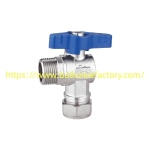

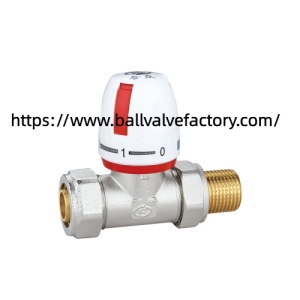
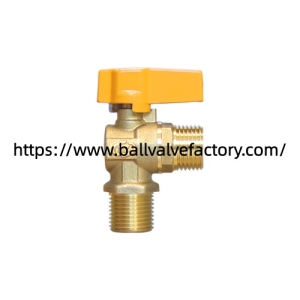
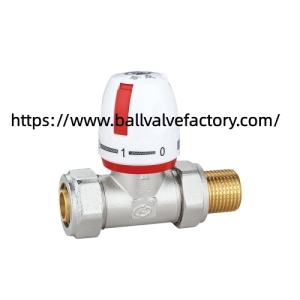
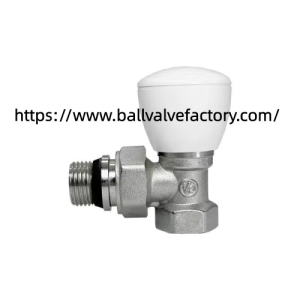
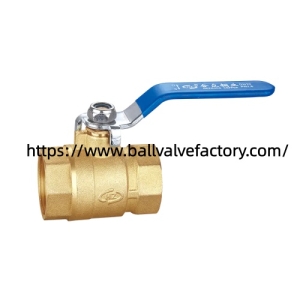
White Corner Valves require careful evaluation before a bulk purchase, particularly when distributors, plumbing contractors, and construction companies need consistent products across multiple installations. A purchasing decision should consider material composition, connection dimensions, surface finish, installation compatibility, packaging, and delivery arrangements. Reviewing these details early helps buyers communicate requirements clearly, compare supplier proposals, and reduce avoidable issues during installation and subsequent maintenance.
One important step is confirming the intended application. Residential bathrooms, hotel developments, apartment buildings, and commercial facilities may have different plumbing arrangements and purchasing requirements. Buyers should identify where the components will be installed and whether they will connect to washbasins, toilets, water heaters, or other fixtures. The installation environment also matters because moisture exposure, cleaning routines, and accessibility can influence product selection. Providing this information to a manufacturer makes it easier to discuss appropriate specifications before production begins.
Material composition deserves close attention when evaluating products for recurring orders. Brass is commonly used in plumbing fittings because it can offer useful strength, machinability, and corrosion resistance under suitable service conditions. However, material performance depends on the alloy composition, manufacturing process, protective coating, and operating environment. Buyers should request relevant material information and technical documentation instead of relying on appearance alone. If a project has specific water quality or regulatory requirements, these should be communicated before the supplier confirms the proposed product.
Connection dimensions are another essential checkpoint. Thread type, nominal size, connection configuration, and applicable standards should match the existing plumbing system and the intended fixtures. Even small specification differences can create difficulties during installation or require additional adapters. Procurement teams should verify drawings, product specifications, and sample measurements where appropriate. When several contractors are working on the same development, a shared specification sheet can help prevent inconsistent selections between buildings or purchasing batches.
Surface finish also deserves attention, especially when the components remain visible after installation. A white finish may complement contemporary bathrooms, light colored fixtures, and coordinated interior designs. Buyers should ask how the finish is applied, what cleaning methods are recommended, and how appearance is checked during production. Samples can help purchasing teams compare color consistency and surface quality before approving a large order. Any agreed requirements should be recorded clearly so that both parties understand the expected finish for repeat purchases.
Quality control should be discussed before an order is confirmed. Buyers can ask about incoming material checks, dimensional inspections, assembly procedures, leakage testing where applicable, and final inspection records. The specific tests and acceptance criteria should reflect the product design and intended use. For projects involving many units, an agreed inspection plan can establish how samples are selected, how defects are recorded, and how nonconforming items are handled. These arrangements provide a practical basis for communication without assuming that every production batch will be identical.
Packaging and logistics can also affect the total cost of procurement. Individual protection, carton strength, product identification, labeling, and pallet arrangements should suit the shipping method and warehouse handling process. Clear packaging can help reduce surface damage and make inventory management easier for distributors. Buyers should confirm order quantities, production lead times, shipment terms, and documentation requirements before finalizing the purchase. For international shipments, the parties should also clarify responsibilities for customs paperwork and any destination specific compliance requirements.
Communication with the manufacturer remains important throughout the purchasing process. A detailed inquiry should include the required quantity, technical specifications, target delivery schedule, packaging preferences, and any customization requests. Buyers may also ask whether samples are available and how changes to an approved specification will be managed. Keeping these details in written records helps purchasing teams compare quotations on a consistent basis and coordinate production with project milestones.
For distributors and contractors planning repeat orders, a reliable purchasing process depends on clear specifications and practical cooperation. Qixiang works with buyers to discuss plumbing component requirements, product configurations, and order details according to individual project needs. Before confirming quantities, purchasers can review the available product range at https://www.ballvalvefactory.com/ and contact the team to discuss technical expectations, finish preferences, packaging arrangements, and supply planning. This approach helps align product selection with installation conditions and the commercial requirements of each project.