




When shopping for an SUV, buyers often begin by comparing prices, engine specifications, and exterior design. However, choosing the right vehicle involves more than finding the most powerful engine or the longest list of features. Drivers also need to consider how the vehicle fits their daily routines, travel habits, and long-term expectations.
The Jetour T2 SUV stands out with its rugged styling, five-seat cabin, and available four-wheel-drive configurations. For buyers comparing it with other SUVs, understanding the differences that matter in everyday ownership can lead to a more informed decision.
1. Exterior Design Is Only the Starting Point
SUV styling can influence a buyer's first impression. Some models emphasize smooth body lines and an urban appearance, while others use a more rugged design to suggest outdoor capability.
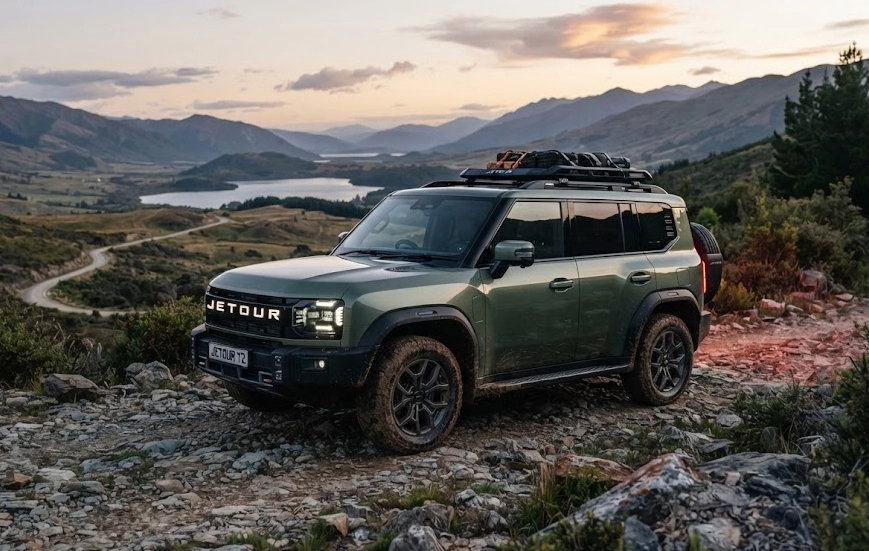
The Jetour T2 follows the latter approach. Its squared-off body, distinctive front-end design, and rear-mounted spare-wheel cover give it a recognizable appearance. This styling may appeal to drivers who want something different from conventional family SUVs.
However, appearance should not determine the entire purchase decision. Buyers should also consider vehicle dimensions, visibility, parking conditions, and how easily the SUV fits into their daily environment.
The global gasoline model specifications list a width of 2,006 mm and a wheelbase of 2,800 mm. These dimensions are useful when assessing cabin proportions and parking requirements, especially in cities with narrow parking spaces. <Cite refs={["turn508276search0","turn508276search1"]} />
Before choosing the Jetour T2, buyers should compare its actual dimensions with those of competing models and consider the roads and parking facilities they use most often.
2. Compare Practical Space, Not Just Exterior Size
A large-looking SUV does not automatically provide the most useful interior space. Seat comfort, passenger room, storage arrangements, and access to the luggage compartment all affect everyday convenience.
The Jetour T2 offers five seats and a 2,800 mm wheelbase. These features make it worth considering for buyers who need a vehicle for family travel, commuting, and weekend outings. Nevertheless, buyers should evaluate the actual cabin layout rather than relying on exterior measurements alone. <Cite refs={["turn508276search1"]} />
When comparing SUVs, consider several practical questions:
-
Can adults sit comfortably in the rear seats?
-
Is there sufficient luggage space for family trips?
-
Are child seats easy to install?
-
Can everyday items be stored without making the cabin feel cluttered?
-
Is the driving position comfortable during longer journeys?
Whenever possible, sit in both the front and rear seats and inspect the luggage compartment in person. If the vehicle will regularly carry several passengers, passenger comfort may matter more than decorative features or exterior styling.
3. Choose Performance According to Driving Habits
Engine specifications are important, but higher output does not necessarily mean a better choice for every driver.
The global gasoline specifications list two main powertrain options. The 1.5TD version produces 135 kW and 290 N·m and uses front-wheel drive. The listed 2.0TD versions produce 187 kW and 390 N·m and use four-wheel drive, with both paired with a seven-speed dual-clutch transmission. Specifications may differ across markets and model versions. <Cite refs={["turn508276search1","turn508276search2"]} />
For predominantly urban driving, buyers may place greater importance on everyday drivability, fuel consumption, and purchase price. Drivers who frequently travel on unpaved roads or encounter challenging conditions may give more weight to four-wheel drive and available driving modes.
It is worth remembering that four-wheel drive does not eliminate the need for suitable tires, careful driving, or attention to road conditions. Buyers should choose a configuration based on realistic use rather than occasional driving scenarios.
A comparison with competing SUVs should therefore include the engine, drivetrain, transmission, fuel requirements, and the conditions under which the vehicle will usually operate.
4. Look Beyond the Infotainment Screen
In-car technology has become an important part of the SUV buying process. Touchscreens, smartphone connectivity, cameras, and driver-assistance systems can make driving more convenient, but their usefulness depends on how well they meet individual needs.
The Jetour T2's global specification information lists a 15.6-inch central touchscreen and a Qualcomm Snapdragon 8155 chip. Equipment availability varies by trim and market, so buyers should confirm the features included in the specific vehicle. <Cite refs={["turn508276search0","turn508276search1"]} />
Rather than comparing screen sizes alone, consider whether the system supports the functions you actually use. Smartphone compatibility, menu language, navigation availability, camera quality, and ease of operation may have a greater impact on daily satisfaction.
Safety equipment also deserves careful attention. Compare the standard and optional features of each vehicle, and check whether the relevant systems are available in the version being offered. Do not assume that features shown in advertising materials are included in every trim.
5. Consider the Cost of Ownership
The purchase price is only one part of owning an SUV. Fuel, insurance, routine maintenance, replacement tires, and repair costs can all affect the total expense over several years.
Before choosing the Jetour T2, buyers should investigate local fuel prices, insurance quotations, maintenance intervals, parts availability, and warranty conditions. These costs can vary significantly between countries and even between regions within the same country.
It is also useful to consider how long the vehicle is expected to remain in service. Buyers planning to keep an SUV for many years may prioritize maintenance support and parts access, while those who change vehicles more frequently may place greater emphasis on purchase price and resale prospects.
Resale value should be treated as an estimate rather than a guarantee. Brand recognition, local demand, vehicle condition, and the availability of servicing can all influence the price a future buyer is willing to pay.
6. Make Sure the Vehicle Fits Your Market
For buyers importing a Jetour T2, vehicle suitability involves more than comparing specifications with other SUVs. Local regulations, emissions standards, registration rules, and equipment requirements may affect which versions can be legally registered.
The same model name can also cover different configurations in different markets. Before ordering, confirm the engine, drivetrain, equipment, warranty arrangements, and documentation for the exact vehicle.
Buyers sourcing vehicles from China can explore options through Moluoni's vehicle product range. When requesting a quotation, provide the destination market, preferred configuration, order quantity, and any specific compliance requirements. This helps establish whether the proposed vehicle matches the intended purchase.
Conclusion
Comparing the Jetour T2 SUV with other models requires a balanced assessment of design, interior practicality, powertrain, technology, ownership expenses, and local suitability.
The best choice is not necessarily the SUV with the highest output or the most equipment. It is the vehicle that meets the buyer's everyday needs while remaining practical to maintain and operate. By evaluating these factors before making a decision, buyers can determine whether the Jetour T2 is the right fit for their lifestyle and market.
https://www.moluoni.com/blog/jetour-t2-suv-what-makes-it-different-from-other-chinese-suvs.html