
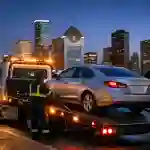

A vehicle problem can happen at any time, whether you are commuting to work, heading home late at night, or traveling through busy city streets. In a place like New York City, where traffic congestion, limited parking, road construction, and changing weather conditions can make driving challenging, knowing when to stop and request professional help is essential. Although some minor vehicle issues can be handled safely, others make driving a serious risk. Continuing to operate a damaged vehicle may worsen the problem, increase repair costs, or put you and other road users in danger. Understanding when to call a towing service instead of driving can help you make a safer decision.
Your Engine Is Overheating
An overheating engine is one of the clearest signs that you should stop driving. If the temperature gauge rises into the red zone, steam appears from under the hood, or you notice a burning smell, pull over somewhere safe as soon as possible. Continuing to drive with an overheating engine can damage important components, including the cylinder head and engine block. Once you are safely parked, turn off the engine and allow it to cool. Never remove the radiator cap while the engine is hot because pressurized coolant can cause severe burns.
If the temperature remains high or the cause is unclear, arrange professional towing rather than risking further damage.
You Experience Brake Problems
Your brakes are essential for controlling your vehicle, especially in heavy traffic and on crowded urban roads. If the brake pedal feels unusually soft, the vehicle takes longer to stop, or you hear grinding noises while braking, do not ignore these warning signs. Brake fluid leaks, worn brake pads, damaged rotors, and other mechanical problems can reduce stopping ability. This is particularly dangerous when navigating intersections, steep streets, or sudden traffic slowdowns. Move out of traffic if you can do so safely, switch on your hazard lights, and request assistance. Driving to a repair shop is not worth the risk when your braking system may be compromised.
A Flat Tire or Blowout Makes Driving Unsafe
Potholes, road debris, sharp objects, and worn tires can cause sudden tire damage. A slow puncture might allow you to reach a safe parking area, but a complete blowout or severely damaged tire requires greater caution. If your vehicle pulls sharply to one side, vibrates heavily, or becomes difficult to control, reduce speed gradually and move to a safe location without making sudden steering movements. Never continue driving on a completely flat tire. Doing so can damage the wheel, suspension, and surrounding components. If you cannot safely change the tire or do not have a suitable spare, towing is the better option.
Your Battery Dies in an Unsafe Location
A dead battery can leave you stranded in a parking garage, on a residential street, or near a busy intersection. Sometimes a jump-start is enough to get the vehicle running again, but not every starting problem is caused by the battery. A failing alternator, damaged electrical wiring, or another mechanical fault may prevent the car from running reliably. If the engine repeatedly stalls, dashboard warning lights remain illuminated, or the vehicle will not restart after a jump-start, professional assistance may be necessary. When you are stranded in a poorly lit area or exposed to moving traffic, prioritize your personal safety and request roadside help.
Your Car Makes Unusual Noises or Loses Power
Unexpected knocking, grinding, loud metallic sounds, or sudden power loss can indicate a serious mechanical problem.These symptoms may involve the engine, transmission, drivetrain, or other essential systems. If your vehicle begins shaking violently, produces smoke, or struggles to maintain speed, avoid pushing it further. Continuing to drive may turn a repairable issue into a much more expensive breakdown. Professional towing allows a mechanic to inspect the vehicle without exposing you to additional risks on the road.
Flooding, Heavy Rain, or Snow Makes Driving Dangerous
Weather conditions can change quickly, and even experienced drivers may encounter hazardous situations. Heavy rain can reduce visibility and create slippery roads, while snow and ice can make braking and steering unpredictable. Flooded streets are especially dangerous because water depth can be difficult to judge. Avoid driving through standing or moving floodwater. Water can conceal potholes, damage electrical systems, and cause the engine to stall. If your vehicle becomes stuck or develops mechanical trouble during severe weather, move to a safe location if possible and contact a professional towing provider. Never stand in moving traffic or enter floodwater to assess your vehicle.
You Are Stranded Late at Night
A breakdown after dark can be more stressful because visibility is limited and fewer repair facilities may be available. A vehicle that stops running on a highway shoulder, bridge approach, or poorly lit street can expose occupants to additional danger. In these circumstances, a dependable towing provider can help transport your vehicle to a suitable repair facility or another safe destination. Drivers searching for NYC 24 hour towing services should look for a provider that offers around-the-clock assistance, clear communication, and appropriate towing equipment. Before arranging service, explain your location, vehicle type, and the nature of the problem so the dispatcher can determine what assistance is appropriate.
Your Vehicle Has Been Involved in an Accident
Even a minor collision can cause hidden damage. A bent wheel, leaking fluid, damaged suspension, misaligned steering, or deployed airbags may make a vehicle unsafe to operate. If the car has visible structural damage, leaking fluids, broken lights, or difficulty steering, do not assume it is safe simply because the engine still starts. Check yourself and your passengers for injuries, move away from immediate danger if possible, and contact emergency services when needed. Follow local reporting requirements and arrange towing if the vehicle cannot be driven safely.
What Should You Do While Waiting for a Tow Truck?
Taking a few precautions can make a roadside breakdown safer. Move your vehicle out of moving traffic if it is safe and possible. Turn on your hazard lights to alert approaching drivers. Stay away from active traffic lanes and avoid standing behind or beside your disabled vehicle on a narrow shoulder. If you are on a highway and can safely reach a protected area, move away from traffic; otherwise, remain belted inside if exiting would be more dangerous. Share your exact location, nearby landmarks, and vehicle details with the towing dispatcher. Ask about the estimated arrival time, towing method, destination, and expected charges before service begins. If you suspect a fuel leak, see smoke, or face an immediate threat, prioritize getting to a safe location and contacting emergency services.
Conclusion
Knowing when to call a towing service instead of driving can protect your safety, prevent further vehicle damage, and reduce unnecessary repair expenses. Overheating, brake failure, severe tire damage, major mechanical noises, flood exposure, and accident-related damage are all reasons to stop and assess the situation carefully. When a vehicle is unsafe or unreliable, avoid taking chances just to reach the nearest garage. Professional roadside assistance and towing can help you manage an unexpected breakdown more safely, whether it happens during rush hour or in the middle of the night.
Frequently Asked Questions
1. When should I call a towing service instead of driving?
Call for towing if your brakes are failing, the engine is overheating, a tire is severely damaged, the vehicle has major mechanical problems, or accident damage makes driving unsafe.
2. Can I drive my car if the check engine light comes on?
A steady check engine light may indicate a problem that requires prompt diagnosis, but the vehicle's symptoms matter. If the light flashes, the engine runs roughly, power drops significantly, or unusual noises or smells appear, stop when safe and seek professional assistance.
3. Is it safe to drive with an overheating engine?
No. Continuing to drive while the engine is overheating can cause extensive damage. Pull over safely, switch off the engine, and arrange assistance if the problem persists.
4. What information should I provide when requesting a tow truck?
Provide your location, vehicle make and model, type of breakdown, whether the vehicle is blocking traffic, and any special requirements, such as flatbed towing.
5. Can a towing service help late at night?
Yes. A 24-hour towing provider can assist with eligible breakdowns and vehicle recovery outside normal business hours. Availability and response times depend on the provider, your location, traffic, and weather conditions.
6. Is towing better than driving after a minor accident?
It depends on the damage. If the vehicle has leaking fluids, steering or braking problems, damaged wheels, or compromised safety systems, towing is the safer choice. If you are unsure whether it is roadworthy, have it assessed before driving.