
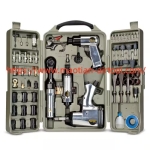

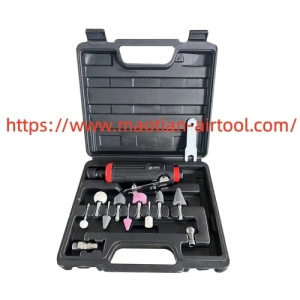
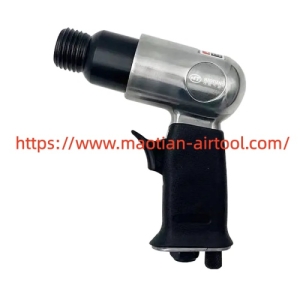
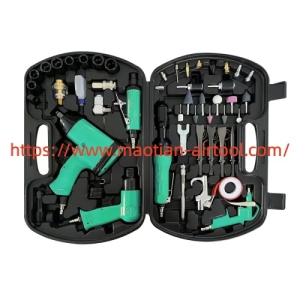
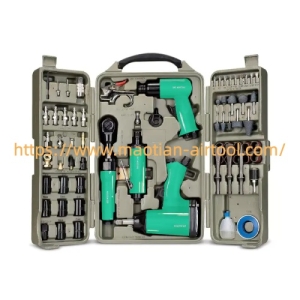
71 Piece Air Tool And Accessories Set can help workshops organize their pneumatic equipment for a variety of repair and maintenance tasks. For automotive service centers, mechanical workshops, and independent repair professionals, having suitable equipment readily available can make daily operations easier to manage. A well planned collection allows technicians to prepare for different jobs, reduce unnecessary interruptions, and maintain a more orderly working environment. For buyers, the key is understanding how the included components match their actual applications.
Every workshop handles different types of work. Some technicians regularly remove fasteners during vehicle maintenance, while others spend more time preparing metal surfaces, servicing machinery, or carrying out general mechanical repairs. Choosing equipment based on these requirements helps businesses build a practical working setup. Rather than purchasing individual items without a clear plan, buyers can evaluate a coordinated package that brings several commonly used pneumatic functions into one collection.
One important consideration is application flexibility. Automotive maintenance often involves repeated fastening and loosening operations, which require suitable equipment for the relevant components. Other jobs may call for controlled material removal, light surface preparation, or assistance with stubborn mechanical parts. When evaluating a multi component package, purchasers should review the available attachments and their intended uses. This approach helps technicians understand which tasks the package can support and whether additional equipment may be necessary for specialized work.
Compatibility with the existing compressed air system also deserves attention. Pneumatic equipment depends on an appropriate air supply to operate according to its specifications. Before making a purchase, workshop managers should check the required operating pressure, air consumption, hose dimensions, and connector standards. Compressor capacity should match the intended workload, especially when several devices will be used throughout the working day. Checking these details in advance can help reduce interruptions caused by insufficient airflow or unsuitable connections.
Organization is another practical consideration for busy service environments. When frequently used components have designated storage locations, technicians can prepare for jobs more efficiently and return items after use. A suitable storage arrangement can also make inventory checks easier, particularly in shared workshops where multiple employees handle the same equipment. Buyers should examine the supplied case, internal layout, and component identification methods to determine whether they suit their daily routines.
Maintenance practices also influence the working life of pneumatic equipment. Regular inspection can help identify damaged hoses, loose connections, worn fittings, and other issues before continued operation creates additional problems. Following the manufacturer's instructions for lubrication, cleaning, pressure adjustment, and storage supports responsible equipment management. Operators should also wear suitable eye and hearing protection when required and follow applicable workplace safety procedures. These measures help establish consistent working habits across different repair environments.
For distributors and wholesale purchasers, product selection involves more than checking the number of components in a package. The actual configuration, material specifications, available documentation, packaging requirements, and supply arrangements all deserve careful review. Clear product information helps purchasing teams compare options according to their intended market and customer expectations. It also allows retailers to explain the package more accurately to mechanics, garage owners, and maintenance professionals.
As a manufacturer, Maotian recognizes the value of practical product information when customers evaluate pneumatic equipment for their businesses. Buyers may need different configurations depending on their applications, purchasing volumes, and distribution plans. Discussing these requirements with a supplier can help clarify product specifications, component availability, packaging details, and potential customization options. Such communication supports informed purchasing decisions and helps businesses assess whether a particular configuration fits their operating needs.
A workshop investment should be evaluated according to the jobs it is expected to support, the air supply available, and the working conditions in which it will be used. Reviewing these factors before ordering can help buyers identify a suitable configuration without paying for unnecessary components or overlooking important requirements. For repair businesses, distributors, and industrial purchasers seeking pneumatic equipment solutions, Maotian provides a product range worth reviewing when comparing available options. Visit https://www.maotian-airtool.com/product/ to view the product range and assess which options may align with your workshop requirements and purchasing objectives.