
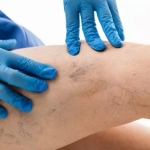

Visible veins on the legs can affect the appearance of the skin and make some people feel less comfortable wearing clothing that exposes their legs. Spider veins and certain small varicose veins are common concerns that may develop due to factors such as genetics, age, hormonal changes, and prolonged periods of standing or sitting. Modern vein care offers several approaches to addressing these concerns, including sclerotherapy, a procedure designed to treat selected visible veins.
Sclerotherapy is a minimally invasive treatment in which a specialised solution is introduced into a targeted vein. The solution causes the vein to close, allowing blood flow to be redirected through other veins. Over time, the treated vein may become less visible as the body gradually processes it.
For individuals exploring Sclerotherapy In Dubai, understanding how the procedure works, which vein concerns it may address, and what to expect during treatment can help them make informed decisions. At EV Clinic Dubai, prospective patients can enquire about available vein treatment options and discuss an approach suited to their individual concerns.
What Is Sclerotherapy?
Understanding the Treatment
Sclerotherapy is a medical procedure commonly used to treat spider veins and certain small varicose veins. It involves injecting a sclerosing solution directly into the selected vein using a fine needle.
The solution irritates the inner lining of the targeted vein, causing its walls to close. Blood then flows through alternative veins, while the treated vessel gradually fades from view in many cases.
The procedure is generally performed in an outpatient setting, and the specific technique depends on the size, location, and characteristics of the veins being treated.
How Sclerotherapy Works
The treatment process involves several stages. First, the practitioner identifies the veins that may be suitable for treatment. A sclerosing solution is then introduced into the selected vessels using an appropriate technique.
Once the solution has been administered, the targeted vein begins to close. The body gradually absorbs the treated vessel over time, which may reduce its visibility.
The extent and timing of improvement vary according to the vein being treated, the solution used, and individual healing characteristics. Some people may require more than one session to address their concerns.
Different Types of Sclerotherapy
Sclerotherapy can be performed using different formulations and techniques, depending on the treatment objective.
- Liquid sclerotherapy: A liquid solution is injected into suitable small veins, commonly including spider veins.
- Foam sclerotherapy: A foam formulation is used for selected veins, including certain larger vessels, when clinically appropriate.
- Ultrasound-guided sclerotherapy: Ultrasound imaging helps the practitioner identify and treat veins that are not easily visible on the skin's surface.
The most appropriate technique depends on a professional assessment of the veins and the individual's treatment goals.
Why Consider Sclerotherapy In Dubai?
Addressing Visible Spider Veins
Spider veins are small blood vessels that appear close to the skin's surface. They may look red, blue, or purple and often form thin branching patterns across the legs.
Although spider veins are frequently a cosmetic concern, some people also experience discomfort associated with underlying venous problems. Sclerotherapy may be suitable for selected spider veins when recommended following an appropriate assessment.
Improving the Appearance of Selected Varicose Veins
Varicose veins are enlarged, twisted veins that commonly appear on the legs. Their size and underlying causes can vary, meaning that not every varicose vein is suitable for the same procedure.
Sclerotherapy may be used for certain veins, depending on their characteristics and the findings of a clinical assessment. Larger or more complex veins may require a different treatment approach or additional evaluation before a suitable plan can be established.
A Minimally Invasive Treatment Option
One reason people consider Sclerotherapy In Dubai is that the procedure generally does not require traditional surgical incisions. Treatment is performed through injections, and many patients can return to routine activities relatively quickly according to their practitioner's instructions.
The precise treatment experience depends on the technique used, the number of veins treated, and individual circumstances. A consultation can help establish realistic expectations about appointments, recovery, and the likely degree of improvement.
What Vein Concerns Can Sclerotherapy Treat?
Spider Veins on the Legs
Spider veins are among the most common reasons people seek sclerotherapy. These small vessels may appear around the thighs, calves, ankles, or other areas of the legs.
A practitioner assesses their size, distribution, and appearance to determine whether sclerotherapy is an appropriate option. The treatment plan may focus on selected visible veins rather than every vessel in the affected area.
Small Varicose Veins
Some small varicose veins may respond to sclerotherapy, depending on their location and underlying venous circulation.
An assessment is important because visible veins can sometimes be associated with deeper venous issues. Where indicated, ultrasound imaging may help determine the source of the problem and guide treatment selection.
Cosmetic Vein Concerns
People may seek treatment because visible veins affect the appearance of their legs or make them feel less confident about their skin.
Sclerotherapy can be considered as part of an individualised vein care plan when the veins are suitable for the procedure. The aim is to reduce the visibility of selected vessels while taking the person's overall venous health into account.
Who May Be Suitable for Sclerotherapy?
People With Visible Spider Veins
Individuals with small, visible spider veins may be candidates for sclerotherapy after a professional assessment. The practitioner considers the characteristics of the veins and whether the proposed treatment is appropriate.
Individuals With Selected Small Varicose Veins
Some people with small varicose veins may benefit from sclerotherapy, although suitability depends on the size of the vessels and the underlying circulation.
A healthcare professional may recommend additional investigations when the appearance or symptoms suggest that a more comprehensive vein assessment is needed.
People Seeking a Personalised Vein Treatment Plan
The most appropriate treatment depends on individual needs. Factors such as the location of visible veins, previous vein procedures, symptoms, and treatment goals can influence the plan.
At EV Clinic Dubai, prospective patients can enquire about the assessment process and available options for addressing visible vein concerns.
What to Expect During a Sclerotherapy Appointment
Initial Vein Assessment
Before treatment, the practitioner reviews the patient's medical history, examines the visible veins, and discusses the desired outcome. Ultrasound assessment may be recommended when the veins' underlying circulation needs further evaluation.
This stage helps establish whether sclerotherapy is suitable and which technique may be most appropriate.
Preparing for the Procedure
The treatment area is cleaned, and the practitioner identifies the veins to be treated. Depending on the treatment plan, photographs or markings may be used to document the areas being addressed.
Patients should provide accurate information about their medications, allergies, medical history, and any previous vein treatments.
Administering the Sclerosing Solution
The practitioner injects the selected solution into the targeted veins using a fine needle. Several vessels may be treated during one appointment, depending on their number, size, location, and the patient's individual circumstances.
A session commonly takes around 30 to 45 minutes, although the duration varies according to the complexity of the treatment. <Cite refs={["turn457754search0","turn457754search3"]}/>
Leaving the Clinic After Treatment
Sclerotherapy is usually performed as an outpatient procedure. Patients can often return home shortly afterward and resume many routine activities, following the practitioner's instructions.
The practitioner may recommend walking and wearing prescribed compression stockings for a specified period, depending on the technique and individual treatment plan.
Results After Sclerotherapy
When Do Visible Veins Begin to Fade?
The results of sclerotherapy develop gradually rather than immediately. Small spider veins may begin to improve within several weeks, while larger treated veins can take several months to become less visible.
The response varies according to the size of the veins, the treatment method, and individual healing characteristics. <Cite refs={["turn457754search1","turn457754search5"]}/>
How Many Sessions May Be Needed?
Some people achieve their desired improvement after one session, while others need additional appointments to treat remaining visible veins.
The number of sessions depends on the extent of the affected area, the characteristics of the vessels, and the response to the initial treatment. Follow-up appointments help the practitioner evaluate progress and decide whether further treatment is appropriate.
Can New Veins Appear After Treatment?
Sclerotherapy treats the selected veins but does not prevent every new vein from developing. Factors such as genetics, hormonal changes, aging, and underlying venous circulation may continue to influence the appearance of veins over time.
Maintaining realistic expectations and following recommended aftercare can help patients understand the longer-term nature of vein management.
Aftercare Following Sclerotherapy
Follow Your Compression Instructions
Depending on the treatment method, compression stockings or bandages may be recommended to support the treated vessels. The appropriate level of compression and duration of use should be determined by the treating professional.
Patients should follow these instructions rather than choosing compression garments or treatment schedules independently.
Keep Moving During Recovery
Gentle walking is commonly encouraged after sclerotherapy because movement supports circulation. Patients should follow individual instructions about returning to exercise, particularly activities involving strenuous exertion.
The timing of a return to normal activity depends on the procedure and the practitioner's recommendations.
Protect the Treated Skin
Follow the clinic's instructions regarding skin care, bathing, heat exposure, and sun protection. Depending on the procedure, patients may be advised to avoid hot baths, saunas, or direct sun exposure for a period after treatment.
Contact the treating professional if you have concerns about how the treated area is healing or if symptoms develop that require assessment. <Cite refs={["turn457754search0","turn457754search3"]}/>
Sclerotherapy Cost In Dubai
Understanding Your Treatment Quote
The Sclerotherapy Cost In Dubai depends on the treatment required and the number and characteristics of the veins being addressed. Since every patient has different needs, the total price may vary considerably.
When requesting a quotation from EV Clinic Dubai, consider asking whether the price includes:
- The initial consultation and vein assessment.
- The sclerotherapy procedure and solution used.
- The number of veins or treatment areas included.
- Ultrasound assessment, if indicated.
- Follow-up appointments and any additional sessions.
- Recommended compression garments or other aftercare services.
Comparing Treatment Options
When comparing providers, consider the practitioner's qualifications, the assessment process, the treatment method, and the services included in the quoted price.
The lowest price is not necessarily the best option if the treatment plan or follow-up arrangements are unclear. A detailed quotation helps you understand what is included and whether additional appointments may incur separate charges.
Getting a Personalised Price Estimate
For an accurate estimate of the Sclerotherapy Cost In Dubai, arrange a consultation to discuss your specific vein concerns and the treatment options available.
EV Clinic Dubai can be contacted to enquire about its current services, pricing, and consultation arrangements. Confirm the exact cost and what is included before scheduling treatment.
<WritingBlock id="84621" variant="document">## Sclerotherapy Compared With Other Vein Treatments
Sclerotherapy Versus Laser Vein Treatment
Sclerotherapy and laser treatments use different methods to address visible veins. Sclerotherapy involves injecting a solution into selected blood vessels, while certain laser treatments use focused light energy to target superficial vessels.
The most appropriate option depends on the vein's size, location, and characteristics. Some small superficial veins may be suitable for laser treatment, while others may respond better to sclerotherapy.
Sclerotherapy Versus Endovenous Laser Ablation
Endovenous laser ablation is a procedure used to treat selected larger veins associated with underlying venous reflux. It uses laser energy delivered inside a vein to close the affected vessel.
Sclerotherapy is commonly used for spider veins and selected smaller varicose veins, although foam techniques may be appropriate for some larger vessels. The two treatments serve different purposes, and a professional assessment can help establish which approach best addresses the underlying problem.
Choosing the Right Treatment for Your Needs
There is no single vein treatment that suits everyone. A practitioner considers the location of visible veins, circulation, symptoms, and desired results before recommending an approach.
For some individuals, one procedure may be sufficient. Others may benefit from a combination of treatments or a staged treatment plan.
Maintaining Healthy-Looking Legs After Treatment
Stay Physically Active
Regular movement, such as walking, can support circulation and general leg health. Breaking up long periods of sitting or standing may also help maintain comfort during everyday activities.
Choose an activity level that suits your circumstances and follow your practitioner's guidance after treatment.
Maintain a Healthy Lifestyle
A balanced diet, appropriate hydration, and regular physical activity contribute to general well-being. These habits do not eliminate existing varicose or spider veins, but they can form part of a broader approach to maintaining leg health.
Follow Up When Recommended
Follow-up appointments allow the practitioner to review treatment progress and determine whether additional sessions are appropriate.
If new visible veins appear or existing symptoms persist, a professional assessment can help identify the most suitable next steps.
Frequently Asked Questions About Sclerotherapy In Dubai
What Is Sclerotherapy Used For?
Sclerotherapy is commonly used to treat spider veins and selected small varicose veins. It involves injecting a specialised solution into the targeted vessels, causing them to close and gradually become less visible.
Is Sclerotherapy a Surgical Procedure?
Sclerotherapy is generally a minimally invasive outpatient procedure. It uses injections rather than traditional surgical incisions, and most patients can return home shortly after treatment.
How Long Does Sclerotherapy Take?
A typical appointment may take approximately 30 to 45 minutes, although the duration depends on the number of veins treated and the complexity of the procedure.
How Soon Will I See Results?
Visible improvement develops gradually. Spider veins may begin to fade within several weeks, while larger veins can take several months to respond. Some people require more than one session.
How Many Sclerotherapy Sessions Are Needed?
The number of sessions varies according to the extent of the visible veins, their characteristics, and the response to treatment. The practitioner can recommend a suitable schedule following an assessment.
What Is the Sclerotherapy Cost In Dubai?
The Sclerotherapy Cost In Dubai varies depending on the treatment method, number of veins, consultation requirements, and follow-up services. Contact EV Clinic Dubai to enquire about current prices and the services included in a personalised treatment plan.
Can Sclerotherapy Treat All Varicose Veins?
No. Sclerotherapy is suitable for selected veins, but larger or more complex varicose veins may require a different approach. An assessment, sometimes including ultrasound, can help determine the appropriate treatment.
Can Spider Veins Return After Sclerotherapy?
Treated veins may fade significantly, but new spider veins can develop over time. Factors such as genetics, hormonal changes, and underlying circulation can influence future vein appearance.
What Should I Do After Sclerotherapy?
Follow the practitioner's instructions regarding compression garments, walking, exercise, skin care, and follow-up appointments. Individual recommendations may vary according to the procedure performed.
Conclusion
Sclerotherapy is an established treatment option for selected spider veins and small varicose veins. By closing targeted vessels and allowing the body to gradually process them, the procedure can help reduce their visibility and improve the appearance of the treated area.
For individuals considering Sclerotherapy In Dubai, understanding the available techniques, expected results, and importance of personalised assessment can help them make informed decisions. Treatment suitability depends on the characteristics of the veins and the individual's overall venous health.
To learn more about the Sclerotherapy Cost In Dubai, contact EV Clinic Dubai to enquire about available treatments, consultation requirements, and pricing. A personalised assessment can help establish an appropriate treatment plan for your visible vein concerns.