




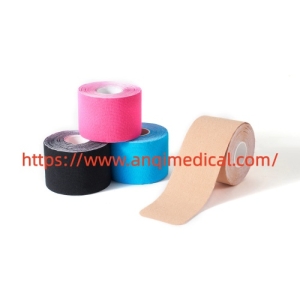
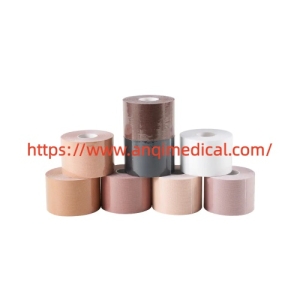
Sports Adhesive Tapes are considered by athletes, coaches, and fitness enthusiasts for different training routines because physical activities place different demands on the body. A runner may have different preparation needs from a weightlifter, volleyball player, or recreational cyclist. Product construction, flexibility, dimensions, and intended application all influence purchasing decisions. For manufacturers such as Aodejian, understanding these differences helps provide useful product options for retailers, training facilities, and wholesale distributors.
Training preparation often starts with a simple question: what equipment is appropriate for the activity ahead? Some athletes carry support accessories as part of their regular kit, while coaches keep organized supplies available for team sessions and competitions. The purpose of each item should be clear before it is selected. A product intended to limit movement around a joint differs from one designed to follow body contours while allowing a wider range of motion. Matching construction to the intended application helps buyers avoid choosing products based on appearance alone.
Different training environments also influence product selection. Indoor gym sessions may involve repeated movements and contact with equipment, while outdoor activities can expose materials to perspiration, changing temperatures, and humidity. These conditions may affect how a product performs during use. Buyers should review the manufacturer's guidance on suitable applications and wearing conditions instead of assuming that one specification fits every activity.
Material construction is another consideration. Cotton-based options may offer a familiar fabric feel, while synthetic blends can have different stretch, drying, and recovery characteristics. Some designs provide little stretch for applications where restricted movement is intended. Elastic varieties can accommodate more movement, depending on their construction. These differences matter when comparing products for athletic facilities, sports retailers, or individual customers.
Width and length can influence both application and inventory planning. Narrow rolls may be useful for smaller areas, while wider formats may suit applications that require broader coverage. Roll length, edge construction, ease of tearing, and packaging can also affect handling. For coaches who prepare equipment before multiple sessions, consistent dimensions and clear product labels make stock easier to organize. Retailers may choose several sizes to accommodate different customer preferences and purchasing budgets.
Adhesive characteristics deserve equal attention. Initial tack, bonding behavior, and removal requirements can vary between formulations. Perspiration, skin preparation, and movement may affect how a product stays in place. Buyers should check the product specifications and any relevant material declarations before placing an order. Manufacturers can help by explaining the intended application, providing clear instructions, and avoiding claims that cannot be supported by product testing.
Comfort and skin compatibility should remain part of the decision. Users may have different sensitivities to fabric components or adhesive ingredients. Product descriptions should provide relevant material information and explain any stated limitations. Users should follow the supplied directions, avoid applying products to broken or irritated skin, and discontinue use if discomfort or an unexpected reaction occurs. When an injury is involved, a qualified healthcare professional or athletic trainer can advise whether taping is appropriate. These products should not be presented as a replacement for medical assessment or rehabilitation.
For team managers and purchasing departments, ordering decisions involve more than selecting a roll. They may need to compare sample availability, order quantities, carton configurations, storage requirements, and delivery schedules. If products will be sold under a private label, packaging artwork, labeling details, and customization requirements should be agreed upon before production. Written specifications help both parties confirm expectations and make repeat orders easier to coordinate.
A manufacturer also needs to understand the markets its customers serve. A retailer selling to recreational runners may have different product requirements from a distributor supplying physiotherapy practices or team equipment rooms. Asking buyers about their customer groups, expected order volumes, preferred formats, and packaging needs helps create a more practical sourcing discussion. Samples can then be evaluated against the intended use before a larger purchase is confirmed.
Aodejian recognizes the importance of clear specifications and responsive communication when businesses evaluate athletic support products. By discussing material options, dimensions, packaging, and order requirements, buyers can make decisions that align with their product range and customer expectations. Retailers, distributors, and training supply businesses can visit https://www.anqimedical.com/product/ to review available product information and discuss sourcing or customization options for their markets.