
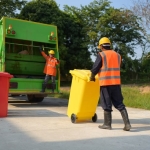


Unwanted junk and accumulated waste can quickly make a property look untidy, reduce usable space, and create challenges for homeowners and businesses. Old furniture, broken appliances, renovation debris, and general household rubbish can take up valuable room when they are not removed properly. Keeping these materials under control helps maintain a cleaner, more organized, and functional environment.
Whether you are clearing a home, preparing a rental property, or managing a commercial space, professional Junk & Waste Removal In Culver City, CA can help simplify the process. A reliable removal service can collect unwanted items, handle heavy materials, and help direct suitable waste toward appropriate disposal or recycling facilities.
How Professional Junk Removal Services Make Property Cleanouts Easier
Property cleanouts can involve more work than simply putting unwanted belongings outside. Items may be stored in garages, basements, attics, offices, storage rooms, and outdoor areas. Sorting, lifting, loading, and transporting everything can become time-consuming, particularly when dealing with bulky furniture or large quantities of debris.
Professional junk removal services make the process more manageable by helping collect and transport unwanted materials. Instead of arranging multiple trips to disposal facilities, property owners can organize a collection around their cleanup requirements.
These services can be useful during:
-
Moving to a new home or office.
-
Preparing a property for sale or rent.
-
Completing renovation or remodeling projects.
-
Clearing garages, storage areas, and outdoor spaces.
-
Managing unwanted items after a property cleanout.
Common Household and Commercial Items That Can Be Removed
Junk removal companies may handle a wide range of non-hazardous household and commercial materials. The exact items accepted depend on the provider, local regulations, and available disposal facilities.
Common household items include old sofas, mattresses, tables, chairs, cabinets, shelving, and general household clutter. Some providers also collect appliances, exercise equipment, garden furniture, and other bulky belongings.
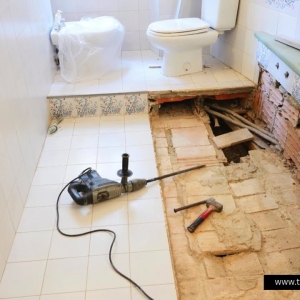
Commercial junk removal may include office desks, filing cabinets, shelving units, packaging materials, and unwanted equipment. Construction and renovation cleanups can involve wood scraps, drywall, flooring materials, and other building debris.
However, not everything belongs in a standard junk removal load. Paint, pesticides, batteries, oils, and certain cleaning products may qualify as household hazardous waste and require special handling. The EPA recommends checking local disposal instructions for these materials. <Cite refs={["turn466397search3","turn466397search10"]}/>
Residential vs. Commercial Junk and Waste Removal Services
Residential and commercial properties often have different waste removal requirements. Understanding these differences helps property owners select a service that can handle the size and type of cleanup.
Residential Junk Removal
Homeowners commonly need removal services when decluttering rooms, replacing furniture, moving house, or cleaning outdoor areas. A residential cleanout may involve a few large items or unwanted belongings collected from several parts of the property.
Commercial Junk Removal
Businesses may need to remove outdated office furniture, damaged shelving, packaging, and accumulated unwanted equipment. Property managers may also arrange cleanouts between tenants or before preparing a commercial unit for a new occupant.
Commercial projects can involve larger quantities of materials and may require careful scheduling to reduce disruption to daily operations.
Benefits of Hiring Professional Junk Removal Experts
Hiring a professional removal team can make property cleanup more convenient, especially when the job involves bulky objects or significant amounts of waste.
More usable space: Removing unwanted belongings creates room for storage, furniture, equipment, or other practical uses.
Less physical effort: Heavy furniture and awkward items can be difficult to move safely without suitable assistance.
Convenient collection: A scheduled collection can reduce the need for repeated trips to waste disposal locations.
Better organization: Clearing clutter makes it easier to arrange rooms, prepare properties, and identify items that should be kept.
More responsible disposal opportunities: Providers that work with appropriate recycling or donation facilities may help keep reusable materials and recyclable items out of general waste streams.
The actual benefits depend on the provider's services and the types of materials being collected.
How the Junk Removal and Waste Collection Process Works
Although procedures vary between companies, most junk removal projects follow a straightforward process.
First, the property owner identifies the unwanted items and contacts a removal provider. The company may ask about the type, quantity, location, and accessibility of the materials before providing an estimate.
Next, the collection is scheduled. On the agreed date, the removal team reviews the items, confirms the work included, and begins collecting the approved materials.
The items are then loaded and transported to suitable destinations. Depending on their condition and material type, they may be directed toward reuse, donation, recycling, or an authorized disposal facility.
Before booking, confirm whether the quoted service includes labor, loading, transportation, disposal fees, and any additional charges.
Responsible Waste Disposal, Recycling, and Donation Practices
Removing unwanted materials is only one part of responsible property cleanup. What happens to collected items afterward also matters.
Furniture, clothing, household goods, and other usable belongings may be suitable for donation or reuse if they are clean and in acceptable condition. Materials such as cardboard, metal, glass, and certain plastics may be recyclable through appropriate local programs.
Electronics require particular attention. The EPA explains that electronic products can contain materials such as lead, mercury, and cadmium, making appropriate recycling important. It also recommends using responsible recycling options and checking local collection programs. <Cite refs={["turn466397search1","turn466397search14"]}/>
Hazardous household products should be kept separate from ordinary junk. Follow product labels and local waste authority instructions rather than placing chemicals, oils, batteries, or pesticides into an ordinary collection load. <Cite refs={["turn466397search3"]}/>
Removing Furniture, Appliances, Yard Waste, and Construction Debris
Different waste categories require different collection and handling methods. Furniture and mattresses can be bulky, while appliances may contain components that need special treatment.
For example, refrigerators, freezers, air conditioners, and dehumidifiers can contain refrigerants. The EPA notes that certain appliances require appropriate handling before recycling or disposal to prevent the release of harmful materials. <Cite refs={["turn466397search37"]}/>
Yard waste may include branches, leaves, grass clippings, and other landscaping debris. Depending on local programs, these materials may be accepted for composting or green waste collection.
Construction debris can include scrap wood, drywall, flooring, and other renovation materials. Keeping different materials separated can make recycling and disposal easier where suitable facilities are available.
Factors That Affect Junk and Waste Removal Costs
The cost of junk removal depends on several factors, so prices can vary between providers and projects.
The quantity of waste is often an important consideration. Some companies calculate prices according to the space materials occupy in a collection vehicle, while others may use item-based or project-based pricing.
Other factors can include:
-
Type of materials: Heavy, bulky, or difficult-to-handle items may require additional work.
-
Accessibility: Stairs, narrow hallways, long carrying distances, and limited parking can affect labor requirements.
-
Collection volume: Larger cleanouts generally involve more loading and transportation.
-
Disposal requirements: Certain materials may require specialized recycling or disposal arrangements.
-
Additional services: Sorting, dismantling, or extensive cleanup may increase the overall price.
Request a clear estimate before work begins and ask about possible extra charges.
Safety Considerations During Heavy Item and Debris Removal
Moving heavy furniture, appliances, and construction debris can create physical and workplace hazards. Awkward loads, sharp edges, unstable piles, and exposed nails can increase the risk of injuries.
OSHA identifies hazards associated with debris collection and recommends appropriate work practices for handling and transporting waste. Its guidance also highlights the importance of avoiding overloaded vehicles and securing loads before transportation. <Cite refs={["turn466397search2","turn466397search7"]}/>
Property owners should keep children and pets away from active cleanup areas and avoid attempting to move extremely heavy or unstable objects without appropriate equipment or assistance.
Hazardous materials should also be identified before collection so they can be handled through suitable disposal channels.
How to Choose a Reliable Junk and Waste Removal Company
Selecting the right provider can make your cleanup project more organized and predictable. Start by checking whether the company handles the specific materials you need removed.
Review its service area, customer feedback, collection availability, and pricing information. Ask whether the team provides loading and transportation or whether you need to move items to a designated collection point.
It is also useful to ask how the company manages reusable items, recyclable materials, and waste that requires special disposal. A responsible provider should be able to explain its collection and disposal practices clearly.
Before confirming an appointment, obtain a written estimate or clear service breakdown and check whether the company has appropriate insurance for the work being performed.
Preparing Your Property for a Smooth Junk Removal Service
A little preparation can help the removal appointment run more efficiently. Begin by identifying which belongings should be removed and separating them from items you intend to keep.
Make sure the team can access the relevant rooms, storage areas, driveway, or outdoor collection points. Move small personal belongings out of the work area and identify fragile objects that should not be disturbed.
You should also separate hazardous products, electronics, and other materials that may require special disposal arrangements. Confirm the collection details with the provider before the scheduled visit.
Final Thoughts
Professional Junk and waste Removal services can help transform cluttered homes, offices, rental units, and commercial properties into cleaner and more usable spaces. From furniture removal and appliance collection to renovation debris cleanup, choosing an appropriate service can make property cleanouts easier to manage.
The best results come from planning ahead, comparing removal providers, understanding collection costs, and making responsible decisions about recycling and disposal. With the right preparation and a reliable removal team, you can reclaim valuable space and keep your property organized.