
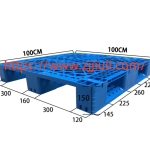

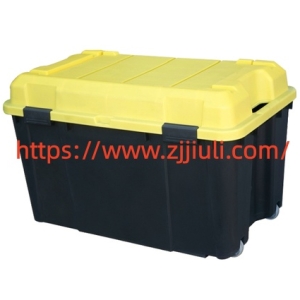
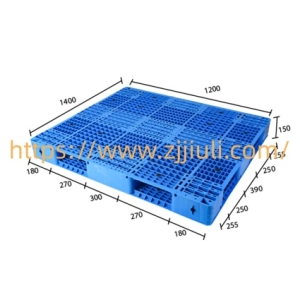
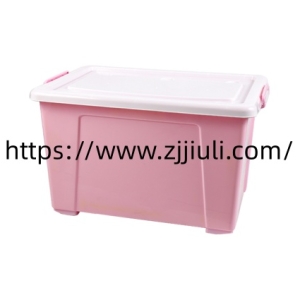
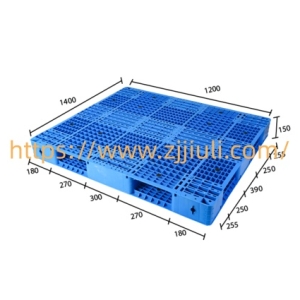
Flat Pallets are widely used in warehouses, manufacturing facilities, and distribution centers where goods need a stable base for storage and transportation. Before making a purchase, businesses should consider how the product will fit their daily operations, including cargo dimensions, weight requirements, handling equipment, and storage arrangements. A careful evaluation helps purchasing teams identify suitable options for their applications while avoiding unnecessary costs caused by choosing an unsuitable design.
Cargo type is a practical starting point. A warehouse handling cardboard cartons has different requirements from a factory moving metal components, packaged materials, or finished machinery parts. Buyers should consider the dimensions of individual packages, the total weight of each load, and how evenly that weight will be distributed. Products with an appropriate supporting surface can help keep goods arranged during routine handling. For irregular or fragile cargo, additional packaging or securing methods may also be necessary.
Dimensions deserve particular attention when a business plans to introduce new handling equipment or reorganize its warehouse. The length, width, and height of each unit should correspond with the available storage area and the dimensions of existing shelving systems. Buyers should also check aisle clearance, loading space, and the amount of room required for forklifts or hand trucks to approach safely. Standardized dimensions can simplify coordination across different departments, especially when inventory moves between receiving, storage, packing, and dispatch areas.
Load capacity is another important consideration. Manufacturers may specify separate ratings for stationary storage, movement under load, and supported storage on racks. These ratings represent different conditions, so buyers should not assume that one figure applies to every situation. The weight of the goods, their distribution across the supporting surface, and the handling method can all affect performance. Before ordering, purchasing teams should confirm the applicable ratings with the manufacturer and explain whether the products will be stored on the floor, moved frequently, or placed on warehouse racking.
Material and construction also influence product suitability. Plastic models may be manufactured using different materials and structural configurations to meet varying operational needs. Buyers should review material specifications, surface design, base structure, and the intended working environment. Facilities exposed to moisture or frequent cleaning may have different requirements from dry storage areas. Businesses should also consider temperature conditions, potential impacts, and the type of substances that may contact the product. These details help determine whether a particular design is appropriate for the intended application.
Handling compatibility can affect the pace of everyday warehouse activities. Some operations rely on forklifts, while others use manual handling equipment, conveyor systems, or automated transport vehicles. Buyers should check the entry points, underside structure, and overall dimensions to confirm compatibility with their equipment. If a product is intended for an automated facility, dimensional consistency and reliable positioning may be especially important. Discussing these requirements before purchasing can help prevent avoidable interruptions and reduce the need for changes to existing workflows.
Cleaning and maintenance should also be included in the selection process. Depending on the design and application, businesses may need to remove dust, liquid residue, or other material from the surface and underside. Products with accessible surfaces can make routine inspections and cleaning procedures easier to organize. Buyers should ask about appropriate cleaning methods and inspect the structure for damage during regular use. Establishing clear inspection procedures can help staff identify cracks, deformation, or other signs that a unit may need to be removed from service.
For procurement teams, the purchase price is only one part of the overall decision. Freight expenses, storage requirements, expected usage frequency, and replacement needs can influence the total cost of ownership. Businesses purchasing in volume may also need consistent dimensions, clear product documentation, and packaging suited to their shipping arrangements. Requesting product specifications and confirming order requirements before production can make supplier communication more efficient. Where a particular application has unusual dimensions or handling conditions, buyers can discuss available configurations with the manufacturer.
Zhiguang provides plastic logistics and storage products for a range of industrial applications. Buyers can evaluate the available options by comparing dimensions, structural features, load ratings, and compatibility with their existing handling systems. Sharing these details with the supplier can help clarify product requirements before an order is confirmed. To review available product categories and discuss suitable options for your business, visit https://www.zjjiuli.com/ and explore the range offered by Zhiguang.