



Heavy equipment operates under challenging conditions, where individual components must handle repeated loads, vibration, impact, and changing working environments. From excavators and loaders to agricultural machines and construction vehicles, cast metal parts contribute to the structure and operation of many mechanical systems. When manufacturers evaluate Engineering Machinery Castings , they need to consider more than component dimensions and material grades. Selecting suitable Engineering Machinery Castings also involves understanding working conditions, structural design, manufacturing processes, and inspection requirements. These factors help equipment producers develop components that correspond with their machine designs and operational needs.
Understanding the Working Environment
Engineering machinery often works on construction sites, mining areas, farms, and industrial projects. Each environment creates different demands for mechanical components. Some parts experience continuous pressure, while others are exposed to impact, abrasion, or temperature changes.
Before choosing a casting solution, manufacturers should identify the component's position and function within the machine. Load direction, connection points, movement frequency, and contact conditions can all influence material and structural requirements.
For example, a structural support component may require attention to load distribution and dimensional stability. A part exposed to frequent friction may need different material characteristics and surface treatment considerations. Understanding these operating conditions gives engineers a clearer basis for evaluating suitable casting specifications.
Material Selection and Structural Design
Material selection should be based on the component's intended function rather than general assumptions about strength. Different cast irons and cast steels offer different combinations of mechanical properties, machinability, wear behavior, and production characteristics.
Designers should review the expected loads, component geometry, and subsequent machining requirements before confirming a material grade. Wall thickness and transitions between different sections also deserve attention because they can influence metal flow and solidification.
A well-considered casting design should avoid unnecessary structural complexity while maintaining the required function. Smooth transitions, suitable section dimensions, and appropriate machining allowances can make the component easier to manufacture and process. Cooperation between product designers and casting engineers can help identify design adjustments before production begins.
Chinahzjx Supports Casting Project Requirements
Manufacturers of construction and industrial equipment may require cast components in different sizes, shapes, and material specifications. Some projects involve individual replacement parts, while others require repeated production for equipment assembly lines.
Chinahzjx can be considered during supplier evaluation when buyers are reviewing casting-related products and manufacturing information. To begin a technical discussion, buyers should prepare component drawings, material requirements, estimated quantities, and relevant application details. These materials help clarify the expected product structure and manufacturing scope.
Communication is also important when a component requires machining, surface treatment, or additional inspection. Confirming these requirements early can help buyers and suppliers coordinate production arrangements and avoid misunderstandings during later stages.
Manufacturing Processes and Quality Inspection
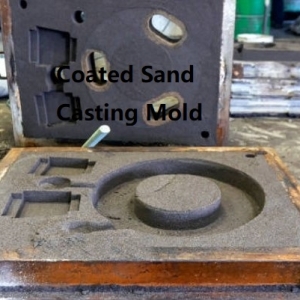
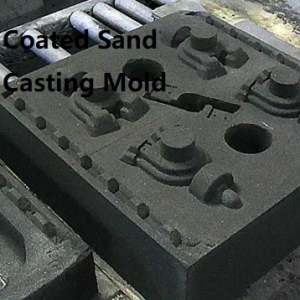
The casting process should match the component's geometry, material, and production volume. Sand casting, for example, can accommodate many large or complex metal components, while other casting methods may be more suitable for different product requirements. Process selection should consider mold design, production conditions, dimensional expectations, and overall manufacturing costs.
Quality inspection begins with the review of raw materials and production preparation. During manufacturing, process controls help maintain suitable pouring, cooling, and solidification conditions. After casting, visual inspection and dimensional measurement can identify surface irregularities or deviations from approved drawings.
Depending on the component's application, additional testing may be required. Mechanical testing, non-destructive examination, and machining inspections can provide further information about product characteristics. Inspection plans should be established according to technical specifications and applicable industry requirements.
Improving Component Performance Through Cooperation
A casting supplier and equipment manufacturer often need to work together beyond the initial production order. Changes in machine design, component dimensions, or assembly requirements may lead to adjustments in casting specifications. Maintaining accurate technical records makes these changes easier to review.
Feedback from equipment assembly and field operation can also provide useful information for future product development. If a component shows unexpected wear or fitting difficulties, engineers can review its material, geometry, machining details, and operating environment. This approach supports practical improvements based on actual application conditions.
For companies sourcing metal components for construction, agricultural, and industrial equipment, careful supplier communication is an important part of project planning. Buyers can visit https://www.chinahzjx.com/ to explore relevant casting products and manufacturing information for their engineering machinery requirements.