Managed Detection and Response: Securing Enterprises Against Evolving Cyber Threats
As cyber threats continue to evolve in scale and sophistication, organizations are increasingly turning to Managed Detection and Response (MDR) services to strengthen their cybersecurity posture. The latest research from QKS Group in the SPARK Matrix™: Managed Detection and Response (MDR), Q4 2025 highlights how MDR solutions are becoming a critical component of modern security operations.
Managed Detection and... moreManaged Detection and Response: Securing Enterprises Against Evolving Cyber Threats
As cyber threats continue to evolve in scale and sophistication, organizations are increasingly turning to Managed Detection and Response (MDR) services to strengthen their cybersecurity posture. The latest research from QKS Group in the SPARK Matrix™: Managed Detection and Response (MDR), Q4 2025 highlights how MDR solutions are becoming a critical component of modern security operations.
Managed Detection and Response is a fully managed cybersecurity service that provides organizations with continuous monitoring, advanced threat detection, incident analysis, and rapid response capabilities. Unlike traditional security tools that only generate alerts, MDR services combine advanced security technologies with human expertise to detect, investigate, and neutralize threats before they cause significant damage.
Modern enterprises operate in highly complex IT environments that include cloud platforms, hybrid infrastructures, remote workforces, and connected devices. These environments expand the attack surface and create more opportunities for cybercriminals to exploit vulnerabilities.
The MDR market is experiencing rapid growth as organizations face increasing challenges such as advanced persistent threats (APTs), ransomware attacks, and the global shortage of cybersecurity professionals. MDR providers help organizations address these challenges by delivering 24/7 threat monitoring, proactive threat hunting, and expert-led incident response services.
By outsourcing critical security operations to specialized providers, enterprises can significantly improve their ability to detect and respond to threats without building large internal security teams.
Key Capabilities of Modern MDR Platforms
According to the SPARK Matrix™ evaluation, modern Managed Detection and Response (MDR) platforms are evolving beyond traditional monitoring services. They now integrate artificial intelligence, behavioral analytics, and automation to identify both known and unknown threats across the entire IT ecosystem.
Key MDR capabilities include:
Continuous 24/7 monitoring across endpoints, networks, and cloud environments
AI-driven threat detection to identify suspicious behaviors and anomalies
Proactive threat hunting conducted by experienced security analysts
Rapid incident investigation and response to minimize damage
Security operations center (SOC) support and expert security guidance
These capabilities enable organizations to quickly identify attack patterns, reduce dwell time, and strengthen their overall cyber resilience.
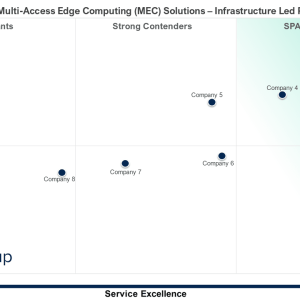
The SPARK Matrix™ report also provides a detailed competitive analysis of MDR vendors, evaluating them based on technology excellence and customer impact. The framework helps enterprises compare solution providers, understand vendor differentiation, and identify the best-fit MDR partner for their security needs.
For example, some vendors have been recognized for delivering comprehensive MDR services that combine AI-powered threat detection, continuous monitoring, and expert security guidance, helping organizations manage complex security challenges more effectively.
The Future of MDR
As cyberattacks become more automated and targeted, Managed Detection and Response solutions will continue to evolve with AI-driven analytics, extended detection and response (XDR) integration, and cloud-native security architectures. Organizations are expected to increasingly rely on MDR providers to enhance visibility, accelerate threat response, and reduce operational security complexity.
In this rapidly evolving threat landscape, MDR is no longer optional—it has become a strategic cybersecurity capability that enables organizations to proactively defend against modern cyber threats while maintaining operational resilience.
Last Mile Delivery Systems: Enhancing Speed, Accuracy, and Customer Satisfaction
The global logistics industry is changing rapidly, and Last Mile Delivery Systems have become one of the most important parts of the supply chain. Last mile delivery refers to the final step of delivering goods from a warehouse or distribution center to the customer’s location. With the rise of e-commerce, customer expectations for faster and more accurate deliveries are increasing every year.
Click Here For More:... moreLast Mile Delivery Systems: Enhancing Speed, Accuracy, and Customer Satisfaction
The global logistics industry is changing rapidly, and Last Mile Delivery Systems have become one of the most important parts of the supply chain. Last mile delivery refers to the final step of delivering goods from a warehouse or distribution center to the customer’s location. With the rise of e-commerce, customer expectations for faster and more accurate deliveries are increasing every year.
According to QKS Group, the worldwide market for last mile delivery systems is experiencing strong growth due to digital transformation, AI-driven logistics, and demand for real-time delivery visibility. Businesses are investing heavily in advanced delivery management platforms to improve operational efficiency and customer satisfaction.
One of the biggest drivers behind this growth is the expansion of online shopping. Consumers now expect same-day or next-day delivery services. This pressure has forced retailers, logistics providers, and transportation companies to modernize their delivery operations using intelligent routing, automation, and predictive analytics. Modern last mile delivery platforms help companies optimize routes, reduce fuel costs, and improve delivery accuracy.
Artificial Intelligence (AI) and Machine Learning (ML) are playing a major role in transforming the last mile delivery ecosystem. AI-powered systems can analyze traffic conditions, weather patterns, customer preferences, and driver availability in real time. These insights help businesses make faster delivery decisions and improve fleet management. Companies are also using automation tools for dispatch management, delivery tracking, and customer communication.
Another important trend is the rise of autonomous and smart delivery technologies. Delivery robots, drones, and electric vehicles are becoming part of the modern logistics network. Research shows that autonomous delivery solutions are expected to grow significantly in the coming years as businesses look for faster and more cost-effective delivery models.
Customer experience has also become a key competitive factor. Modern last mile delivery systems offer live tracking, automated notifications, proof of delivery, and flexible delivery scheduling. These features increase transparency and improve customer trust. Businesses that provide smooth delivery experiences are more likely to retain customers and strengthen brand loyalty.
However, the industry still faces several challenges. High operational costs, traffic congestion, driver shortages, and failed deliveries continue to impact profitability. Rural deliveries are especially difficult because of low delivery density and infrastructure limitations. Many companies are solving these issues by using micro-fulfillment centers, local distribution hubs, and route optimization technologies.
The global last mile delivery market is expected to continue growing over the next decade. Market reports indicate that increasing e-commerce activities, digital logistics platforms, and smart transportation technologies will drive long-term market expansion. Businesses across retail, healthcare, food delivery, and manufacturing sectors are adopting advanced delivery systems to stay competitive in a rapidly changing market.
In conclusion, Last Mile Delivery Systems are becoming a strategic investment for organizations worldwide. Companies that adopt intelligent, automated, and customer-focused delivery solutions will gain a significant competitive advantage in the evolving digital economy.
Last Mile Delivery Systems Market Forecast: The Future of Fast and Smart Deliveries
The global Last Mile Delivery Systems Market is entering a strong growth phase as businesses focus on faster, smarter, and more cost-effective delivery operations. Last mile delivery refers to the final step in the supply chain where goods move from a warehouse or distribution center to the customer’s doorstep. With the rapid growth of e-commerce, food delivery, healthcare logistics, and same-day shipping expect... moreLast Mile Delivery Systems Market Forecast: The Future of Fast and Smart Deliveries
The global Last Mile Delivery Systems Market is entering a strong growth phase as businesses focus on faster, smarter, and more cost-effective delivery operations. Last mile delivery refers to the final step in the supply chain where goods move from a warehouse or distribution center to the customer’s doorstep. With the rapid growth of e-commerce, food delivery, healthcare logistics, and same-day shipping expectations, companies are investing heavily in advanced delivery technologies and automation solutions.
According to QKS Group, the worldwide last mile delivery system market is expected to witness significant expansion between 2026 and 2030. Businesses are adopting AI-powered route optimization, autonomous delivery vehicles, real-time tracking systems, and smart logistics platforms to improve operational efficiency and customer satisfaction.
One of the biggest drivers of market growth is the rising demand for same-day and next-day delivery services. Consumers now expect quick deliveries with real-time shipment visibility. This has pushed logistics providers and retailers to modernize their delivery infrastructure using cloud-based delivery management platforms and predictive analytics tools. Advanced systems help companies reduce delivery delays, lower fuel consumption, and improve driver productivity.
Artificial Intelligence and machine learning are becoming core technologies in last mile delivery operations. AI helps optimize delivery routes, predict traffic conditions, automate dispatching, and improve fleet utilization. Companies are also using data analytics to forecast customer demand and manage delivery schedules more efficiently. These technologies are helping businesses lower operational costs while improving delivery speed and reliability.
Another important trend shaping the market is the adoption of autonomous and sustainable delivery solutions. Delivery drones, self-driving vehicles, electric vans, and robotic delivery systems are gaining attention across urban logistics networks. Businesses are focusing on reducing carbon emissions and supporting green logistics initiatives. Autonomous delivery technologies are expected to grow rapidly during the forecast period due to increasing investments in smart transportation and urban mobility infrastructure.
The e-commerce sector continues to be the largest contributor to market demand. Online retailers are expanding their fulfillment networks and partnering with logistics providers to strengthen last mile delivery capabilities. Industries such as grocery delivery, healthcare, food services, and retail are also increasing their adoption of digital delivery platforms. The growing popularity of mobile commerce and on-demand delivery applications is further accelerating market growth globally.
Regionally, North America and Asia-Pacific are expected to dominate the market due to strong e-commerce penetration, urbanization, and technology adoption. Countries like the United States, China, and India are witnessing rapid investments in logistics automation and smart supply chain infrastructure. Meanwhile, Europe is focusing heavily on sustainable transportation and electric delivery solutions.
In conclusion, the global last mile delivery systems market is transforming rapidly with the integration of AI, automation, robotics, and sustainable logistics technologies. As customer expectations continue to evolve, organizations that invest in intelligent delivery systems and digital supply chain innovation will gain a strong competitive advantage in the coming years.
Honestly, using 11xplay has been a refreshing experience because everything works so efficiently. The app opens quickly, pages load smoothly, and navigation is effortless. The 11xplay Login feature is simple and saves users from complicated steps. I really enjoy browsing through 11x play because the sports categories are organized very well. One major advantage of 11xgame is the stable performance during live events, which is something many platforms struggle with.
To Know More, click on -htt... moreHonestly, using 11xplay has been a refreshing experience because everything works so efficiently. The app opens quickly, pages load smoothly, and navigation is effortless. The 11xplay Login feature is simple and saves users from complicated steps. I really enjoy browsing through 11x play because the sports categories are organized very well. One major advantage of 11xgame is the stable performance during live events, which is something many platforms struggle with.
To Know More, click on -https://11xplayss.net.in/
Supply Chain Control Towers Enabling Smarter and More Resilient Operations
The global Supply Chain Control Tower (SCCT) market is growing rapidly as businesses focus on improving supply chain visibility, operational efficiency, and decision-making capabilities. Modern supply chains are becoming more complex due to global trade expansion, changing customer expectations, disruptions in logistics networks, and increasing pressure for faster deliveries. To manage these challenges, organizations are... moreSupply Chain Control Towers Enabling Smarter and More Resilient Operations
The global Supply Chain Control Tower (SCCT) market is growing rapidly as businesses focus on improving supply chain visibility, operational efficiency, and decision-making capabilities. Modern supply chains are becoming more complex due to global trade expansion, changing customer expectations, disruptions in logistics networks, and increasing pressure for faster deliveries. To manage these challenges, organizations are adopting Supply Chain Control Tower solutions that provide centralized monitoring, analytics, and end-to-end visibility across supply chain operations.
According to research published by QKS Group, the global SCCT market is expected to grow steadily through 2030 with a CAGR of over 13.50%. The market is being driven by increasing investments in digital transformation, artificial intelligence, cloud computing, and predictive analytics technologies.
A Supply Chain Control Tower acts as a centralized platform that connects suppliers, manufacturers, warehouses, logistics providers, and customers through real-time data integration. These platforms help organizations track inventory movement, shipment status, demand fluctuations, and operational risks. By collecting data from multiple systems such as ERP, transportation management systems, warehouse management systems, and IoT devices, SCCT solutions enable companies to make faster and more accurate business decisions.
One of the biggest advantages of SCCT platforms is improved visibility. Businesses can monitor the entire supply chain from a single dashboard and quickly identify delays, bottlenecks, or disruptions. This visibility allows organizations to respond proactively instead of reacting after problems occur. Predictive analytics and AI-powered insights further help businesses forecast demand, optimize inventory levels, and reduce operational costs.
The increasing adoption of cloud-based supply chain platforms is another major factor supporting market growth. Cloud deployment offers scalability, flexibility, and easier integration with existing business systems. Companies are increasingly shifting toward cloud-native control tower solutions to improve collaboration between global supply chain partners and support remote operations.
Industries such as retail, manufacturing, healthcare, automotive, food & beverage, and logistics are among the key adopters of SCCT solutions. Retail and eCommerce companies are particularly investing in supply chain visibility tools to meet rising customer expectations for faster deliveries and real-time shipment tracking. Manufacturing organizations are also using control towers to manage supplier networks, production schedules, and inventory planning more efficiently.
Artificial intelligence and automation technologies are playing an important role in the evolution of supply chain control towers. Advanced AI algorithms can analyze large volumes of supply chain data and provide recommendations for route optimization, risk management, and demand planning. Automation helps reduce manual processes and improves overall operational efficiency.
In addition, growing supply chain disruptions caused by geopolitical tensions, transportation delays, and changing trade regulations are encouraging companies to invest in resilient supply chain technologies. SCCT solutions help organizations improve risk management capabilities by providing early alerts and scenario-based planning tools.
Leading technology providers in the SCCT market include companies such as SAP, Oracle, IBM, Infor, Kinaxis, and o9 Solutions. These companies are continuously investing in AI-driven analytics, automation, and integrated supply chain platforms to strengthen their market position.
As global supply chains continue to evolve, Supply Chain Control Tower platforms will become a critical technology investment for businesses seeking agility, resilience, and operational excellence. Companies that adopt advanced SCCT solutions will be better positioned to improve customer satisfaction, reduce supply chain risks, and achieve long-term business growth.
Sales and Operations Planning Platforms Market Forecast: Future of Intelligent Supply Chains
Modern businesses are facing increasing pressure to manage demand fluctuations, supply chain disruptions, inventory costs, and customer expectations at the same time. To solve these challenges, organizations are investing in advanced Sales and Operations Planning (S&OP) platforms that connect sales, supply chain, finance, production, and operations into a single planning framework. According to research... moreSales and Operations Planning Platforms Market Forecast: Future of Intelligent Supply Chains
Modern businesses are facing increasing pressure to manage demand fluctuations, supply chain disruptions, inventory costs, and customer expectations at the same time. To solve these challenges, organizations are investing in advanced Sales and Operations Planning (S&OP) platforms that connect sales, supply chain, finance, production, and operations into a single planning framework. According to research published by QKS Group, the global Sales and Operations Planning Platform market is expected to witness strong growth between 2026 and 2030 as enterprises accelerate digital transformation and intelligent supply chain initiatives.
Sales and Operations Planning platforms help organizations align business goals with operational execution. Traditional planning methods relied heavily on spreadsheets and manual coordination between departments. However, modern S&OP solutions use Artificial Intelligence (AI), Machine Learning (ML), advanced analytics, and real-time data integration to improve forecasting accuracy and business agility. These technologies enable organizations to respond faster to market changes while improving profitability and operational efficiency.
One of the key drivers behind market growth is the increasing complexity of global supply chains. Enterprises today manage multi-region suppliers, fluctuating customer demand, transportation disruptions, and rising operational costs. S&OP platforms provide centralized visibility across the entire supply chain ecosystem, helping organizations make faster and more informed decisions. Businesses can analyze “what-if” scenarios, evaluate supply-demand risks, optimize inventory, and improve production planning through a connected decision-making environment.
Cloud-based deployment is also playing a major role in expanding the adoption of S&OP platforms. Cloud solutions provide scalability, remote accessibility, faster implementation, and lower infrastructure costs. As organizations continue to modernize enterprise operations, cloud-native S&OP platforms are becoming a preferred choice for enterprises seeking flexible and cost-effective planning systems.
Another important trend shaping the market is the rise of AI-powered planning and predictive analytics. Modern Sales and Operations Planning platforms solutions now support probabilistic forecasting, digital twins, automated workflow management, and generative AI-driven insights. These capabilities help enterprises identify risks earlier, simulate multiple business scenarios, and improve decision-making speed. AI-driven automation is reducing planning latency while increasing operational resilience across industries such as manufacturing, retail, healthcare, automotive, logistics, and consumer goods.
Leading technology vendors are continuously enhancing their platforms with advanced capabilities to stay competitive in the rapidly evolving market. Companies including SAP, Oracle, Kinaxis, Blue Yonder, and John Galt Solutions are investing heavily in AI-enabled planning, automation, and integrated business planning technologies. QKS Group’s SPARK Matrix™ research highlights how innovation, customer impact, and technology excellence are becoming critical differentiators in the S&OP market.
From 2026 to 2030, the S&OP platform market is expected to evolve beyond traditional planning into continuous, intelligent orchestration systems. Enterprises are increasingly focusing on resilience, agility, and real-time collaboration to manage uncertainty and maintain competitive advantage. As AI adoption grows and digital supply chains mature, S&OP platforms will become a core technology investment for organizations looking to improve operational efficiency, customer satisfaction, and long-term business growth.
In today's highly competitive and asset-intensive business environment, organizations can no longer afford unexpected equipment failures, inefficient maintenance practices, or limited visibility ...
In today’s highly competitive industrial environment, organizations can no longer afford unexpected equipment failures, rising maintenance costs, or operational downtime. Businesses across manufa...
The global Internet of Things ecosystem is expanding faster than ever before. From connected vehicles and smart factories to remote healthcare and industrial automation, enterprises are deploying...
In today’s fast-paced global business environment, business travel is no longer simply about moving from one destination to another. For modern professionals, every trip is part of a larger workf...
Modern enterprises are under immense pressure to deliver seamless digital experiences while managing increasingly complex network environments. From hybrid work models to cloud-native application...
Last posted by luca leo on March 18 2026 at 06:41 PM
I’ve been doing a lot of research lately on building a mobile app for my business, and one thing I’ve realized is how important it is to choose the right development partner. If you’re based in...

To Know More, click on -htt... more