
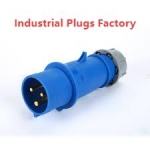

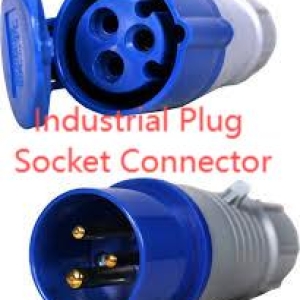
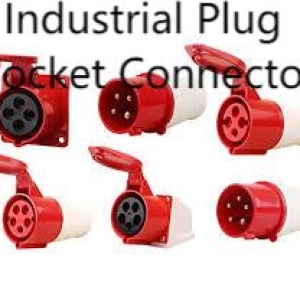

In modern industrial environments, selecting the correct connection solution is critical for safety and operational continuity, because the Industrial Plug often serves as the physical interface between power supply and demanding equipment under harsh conditions. During planning and installation stages, engineers rely on the Industrial Plug to provide stable current transmission while withstanding vibration, moisture, dust, and repeated connection cycles.
Understanding operational environments
Every industrial site presents a unique combination of environmental challenges. Temperature extremes, airborne particles, humidity, and mechanical impact all influence connector performance. Facilities such as manufacturing plants, logistics hubs, and construction sites require connection solutions that remain reliable even when exposed to oils, chemicals, or outdoor weather. A thorough environmental assessment ensures that enclosure materials, insulation properties, and protection ratings align with real-world conditions rather than theoretical specifications.
Electrical performance and current handling
Stable power transmission depends on contact geometry, conductive materials, and termination quality. High-conductivity copper alloys combined with precision-machined contact surfaces reduce resistance and minimize heat generation. Proper conductor sizing and torque-controlled terminations are essential to prevent micro-arcing and long-term degradation. Engineers must also consider load profiles, including startup currents and intermittent peak demands, when selecting components to ensure continuous performance without overheating.
Mechanical integrity and strain management
Mechanical stress is a frequent cause of electrical failure. Vibration from machinery, accidental pulling on cables, or repeated handling can compromise terminations if strain is not properly managed. Effective cable retention systems, reinforced housings, and secure mounting methods distribute mechanical loads away from electrical contacts. Thoughtful routing of cables and adequate bending radii further reduce fatigue, extending service life and maintaining consistent electrical performance.
Safety, compliance, and risk reduction (Nante)
Safety considerations go beyond electrical ratings. Locking mechanisms, clear engagement indicators, and grounding continuity reduce the risk of accidental disconnection or unsafe operation. Compliance with international standards provides assurance that products have undergone rigorous testing for insulation resistance, impact strength, and thermal behavior. Clear labeling and standardized layouts also support safer maintenance by reducing human error during installation or service tasks.
Installation efficiency and field usability
Efficient installation saves time and minimizes errors. Designs that allow easy access to terminals, clearly marked connection points, and captive fastening hardware improve productivity during commissioning. Modular compatibility across product families simplifies replacement and expansion, allowing technicians to work quickly without redesigning entire systems. Field usability becomes especially important in large-scale projects where hundreds of connections must be installed and verified under tight schedules.
Maintenance planning and inspection routines
Preventive maintenance protects long-term reliability. Regular inspections should focus on contact condition, fastening torque, seal integrity, and any signs of discoloration or corrosion. Keeping detailed maintenance records helps identify recurring issues and informs future equipment selection. Replacing worn components before failure occurs reduces unplanned downtime and improves overall system resilience.
Lifecycle efficiency and cost control
Initial purchase cost is only one part of the equation. Durable materials, standardized components, and readily available spare parts significantly lower total cost of ownership. Systems designed for repeated connection cycles and easy servicing reduce labor expenses and operational disruption. Over time, thoughtful selection and proactive care deliver measurable savings while supporting uninterrupted production.
Industrial power connectivity plays a vital role in system reliability, safety, and efficiency. By addressing environmental conditions, mechanical stress, electrical performance, and maintenance strategy during specification, organizations create resilient installations that support long-term operational goals. For deeper technical explanations and industry guidance, visit https://www.nante.com/news/industry-news/what-is-industrial-plug.html