
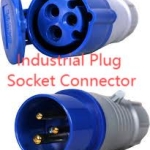

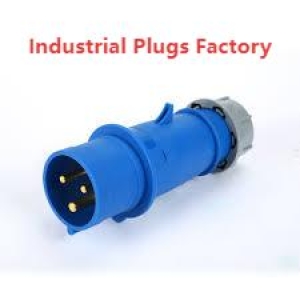
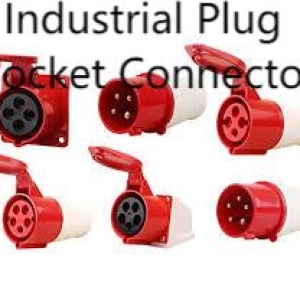

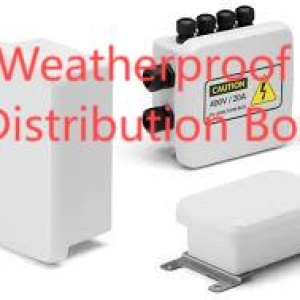
Choosing the right power outlet for industrial settings means balancing accessibility, durability, and safety. A correctly specified Industrial surface mounted socket can transform a cramped, hard-to-service area into a safe, code-compliant connection point that minimizes downtime. Equally important for installers is the realization that not all surface-mounted solutions are equal — the design of the Industrial surface mounted socket itself, plus its mounting and sealing details, determines long-term performance in harsh conditions.
Materials and mechanical design
The backbone of a reliable surface mounted outlet is its materials and mechanical engineering. Robust housings use reinforced polyamide or die-cast aluminum to resist impact, chemical exposure, and UV degradation. Internal components — contact pins, springs, and terminal blocks — should be plated or alloyed to resist corrosion and maintain low contact resistance over many mating cycles. Strain-relief features prevent cable fatigue where cords exit the outlet, and captive fasteners reduce the chance of lost screws during maintenance.
Ingress protection and environmental resistance
Outdoor and industrial environments expose sockets to dust, water spray, and airborne contaminants. Choose enclosures with appropriate IP ratings; an IP54 might be adequate inside light industrial areas, while IP66/67 is necessary where washdown, heavy rain, or temporary immersion is possible. Gasketed covers, lockable lids, and properly installed cable glands keep seals effective after repeated opening. Consider salt-spray resistance and coatings if installations are near coastlines or chemical processes.
Mounting, placement, and safety considerations
Surface mounting simplifies retrofits and avoids cutting into structural walls, but it requires attention to mounting surfaces, load distribution, and elevation. Mount sockets on solid, vibration-resistant panels or plates using insulated bushings where necessary to prevent galvanic corrosion. Place outlets above anticipated spill or flood levels, and away from direct heat sources. Clearly label circuits at the point of use and ensure adequate clearance for plugging/unplugging under load to prevent operator strain or accidental disconnection.
Nante Compact Surface Series: installer-focused features
For project teams, a product family that anticipates real-world constraints saves time and reduces errors. The Nante Compact Surface Series integrates pre-configured mounting plates, captive covers, and modular inserts for different current and pole configurations. Its design emphasizes quick wiring access, standardized gasket profiles, and color-coded identification to help technicians make correct connections rapidly while keeping the installation sealed and serviceable.
Electrical safety, standards, and compliance
Compliance with IEC, UL, or regional standards protects personnel and equipment. Look for features such as shuttered contacts, secure earthing provision, and clearly rated terminals that match cable capacity. Verify that thermal derating is managed when outlets are grouped or when ambient temperatures exceed normal ranges. Proper torque specifications and periodic inspection are part of compliance — document installation details and commissioning tests for warranty and safety records.
Smart capabilities and future readiness
Modern surface mounted solutions can include surge protection, integrated monitoring sockets, or space reserved for communication modules. Designing with a modest extra enclosure volume or modular mounting plates lets facility managers add energy monitoring or remote switching later without major reworks. This forward-thinking approach reduces lifecycle cost and supports energy management goals.
Installation and maintenance checklist
Before energizing, verify gasket seating, torque values on terminals, and correct wiring polarity. Perform a water ingress test if the enclosure will face direct spray. Establish a periodic inspection routine for gaskets, contact tightness, and signs of heat discoloration on terminals. Replace desiccants or filters as specified, and keep a log of all maintenance activities to predict replacement cycles and plan spares.
Choosing the right surface-mounted outlet is more than picking a part number; it’s an exercise in systems thinking—matching materials, protection level, mounting methods, and future-readiness to the specific demands of the site. A sound selection and careful installation deliver safe, accessible power for years. For product details and compatible accessories, visit www.nante.com/product