
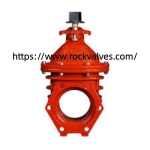

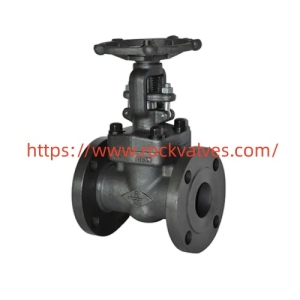
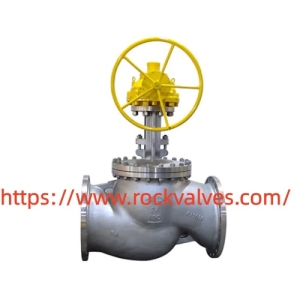
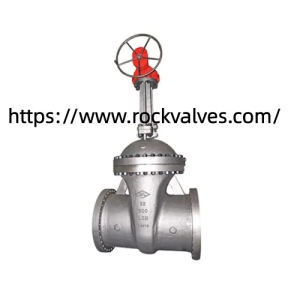
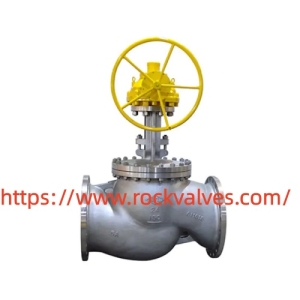
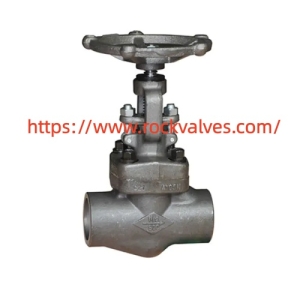
Custom Non-Standard Valves designed for unique pipeline systems require a structured engineering approach that connects real operating conditions with precise mechanical planning. In many industrial projects, pipelines are not uniform, and they often include tight layouts, unusual angles, or mixed flow demands. These conditions push designers to carefully study how fluids move through each section before defining internal geometry and material selection.
At the early stage, engineers gather field data such as pressure ranges, temperature variation, and fluid composition. This information helps shape the direction of the design, especially when systems must handle fluctuating workloads. Instead of relying on standard templates, the focus shifts toward adaptive structures that match the real behavior of the pipeline network.
Material selection becomes a key decision point. Different industrial environments may involve corrosive fluids, abrasive particles, or high temperature exposure. Each factor influences the choice of alloys, coatings, and sealing methods. The goal is to maintain stable operation while reducing wear over time, especially in systems that run continuously.
Simulation tools are often used to visualize flow distribution inside complex pipeline routes. These digital models allow engineers to adjust internal passages and evaluate performance before physical production begins. Small changes in geometry can significantly influence pressure balance and efficiency, making early testing an important step in reducing later modifications.
Installation constraints also play a role in shaping the final structure. Some pipeline systems are located in compact facilities or elevated platforms, where access space is limited. In such cases, the design must consider not only performance but also assembly and maintenance conditions. Modular construction is sometimes introduced to simplify handling in restricted environments.
During production, attention is given to dimensional accuracy and surface treatment. These details help ensure smooth fluid movement and reduce resistance inside the system. Quality checks are conducted at multiple stages to confirm that each component aligns with the original engineering plan.
In practical applications, industries such as chemical processing, water treatment, and energy transport often rely on customized flow control solutions. Each environment presents different operational challenges, so flexibility in design becomes essential for stable performance over time. Engineers continuously refine design methods based on field feedback and operational data.
Rockvalves participates in supporting these engineering requirements by providing manufacturing capabilities aligned with project specifications. The focus remains on adapting each solution to real pipeline conditions rather than applying fixed structures across different systems.
As industrial networks continue to evolve, demand for tailored flow solutions increases, especially in systems with irregular layouts or specialized processing needs. Further technical details and product information can be reviewed at https://www.rockvalves.com/product/