
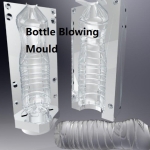

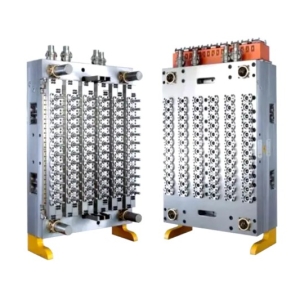
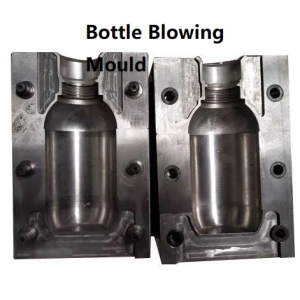
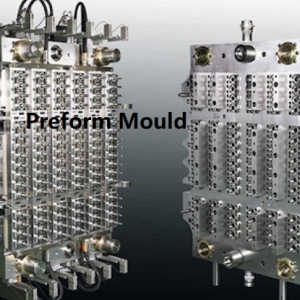
For plastic packaging manufacturers, mould selection often starts with the final product and works backward through the production process. In this situation, choosing a reliable Preform Mould Supplier can help buyers match mould design with bottle specifications, machine conditions, and daily production needs. A professional Preform Mould Supplier can also support discussions about cavity layouts, preform details, tooling structure, and practical maintenance before the mould enters regular production.
Start With The Final Bottle Design
A preform may look simple, but its design is closely connected to the finished bottle. Bottle capacity, shape, neck style, wall distribution, and intended application can all affect the requirements for the preform.
For this reason, manufacturers should begin by defining what the final bottle needs to achieve. Product drawings, samples, and basic dimensions can provide a useful starting point for mould discussions.
The neck finish is one area that deserves careful attention because it needs to work with the intended cap or closure. Preform weight can also influence material use and the characteristics of the finished bottle.
When these details are clear at the beginning, the mould design process can move forward with fewer changes. It also becomes easier to check whether the proposed mould matches the available injection molding machine.
Thinking about the final product first can make technical communication more direct and help avoid unnecessary revisions later.
Match The Mould To Production Equipment
A mould should work properly with the equipment already installed on the production line. Buyers should therefore provide relevant machine information before confirming a mould order.
Important details may include the machine type, installation dimensions, injection system, clamping conditions, and other technical requirements related to production.
This information helps ensure that the mould is designed for the actual operating environment rather than a general setup.
Production capacity should also be considered. A manufacturer planning higher output may require a different cavity arrangement from one producing smaller batches or a wider range of products.
The right configuration depends on the balance between output requirements, equipment capability, and maintenance planning.
It is useful to discuss these points before manufacturing begins. Making changes after the mould has been completed can require additional time and effort.
Qhpreformmould For Custom Mould Discussions
Custom projects often require close communication because even small changes in a preform can affect the mould structure. Buyers should provide as much relevant information as possible, especially when developing a new bottle or updating an existing design.
A sample preform can be useful, but drawings and technical specifications can provide additional details that are difficult to identify by appearance alone.
During the discussion stage, manufacturers can review the intended application, production equipment, cavity requirements, and important dimensional details.
This process gives both sides an opportunity to confirm expectations before production starts. It can also help identify possible issues early.
For projects involving several preform sizes or designs, keeping the specifications organized is particularly useful. Clear product information makes it easier to compare requirements and plan the appropriate tooling.
A practical discussion at the beginning can support a smoother process from design confirmation to final production.
Focus On Daily Production Stability
Once a mould enters production, daily operating conditions become just as important as the original design. Repeated cycles place demands on different mould components, so regular inspection should be part of the production routine.
Production teams can monitor preform appearance and dimensions as part of normal quality checks. If unexpected changes appear, early inspection may help identify possible causes before they affect a larger quantity of products.
Mould surfaces and moving components should also be kept clean according to suitable maintenance procedures. Removing residue and checking component condition can support more stable operation.
Temperature management is another practical part of production. The mould cooling system should be inspected and maintained to support normal operating conditions.
A consistent maintenance routine does not need to be complicated, but it should be carried out regularly. Recording inspections and service work can also help production teams understand the mould's operating history.
Plan For Maintenance And Future Changes
Production requirements can change over time. A packaging manufacturer may introduce a new bottle size, modify a neck design, or adjust production volume.
Thinking about these possibilities early can be useful when discussing a new mould project. Buyers can explain whether the current order is for one stable product or part of a wider product range.
Maintenance planning should also continue after installation. Components subject to normal wear should be checked regularly, and replacement needs should be considered before production interruptions occur.
Proper storage matters when a mould is temporarily removed from service. Cleaning and protecting the mould before storage can help keep it in suitable condition for later use.
The best purchasing decision is usually based on how well the mould fits the complete production situation. Product design, equipment compatibility, expected output, maintenance practices, and future plans should all be considered together.For manufacturers seeking customized preform mould solutions and practical support for different production requirements, further product information can be found at https://www.qhpreformmould.com/ .