
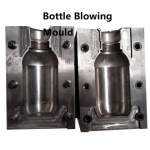

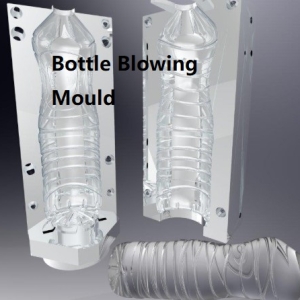
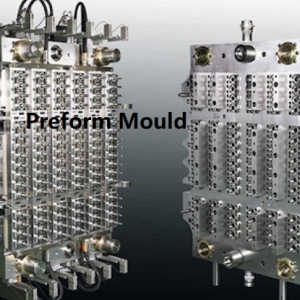
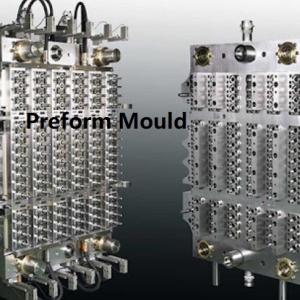
For packaging manufacturers working with jars, bottles, and other containers that require convenient access, Wide-Mouth Mould solutions can provide a practical way to form larger openings, while a properly selected Wide-Mouth Mould can help balance container design, production efficiency, and application requirements. Compared with narrow-neck packaging, a wider opening can make filling, pouring, dispensing, or removing contents easier. This makes tooling selection an important part of developing packaging that needs both useful functionality and consistent manufacturing results.
Designing Around The Container Opening
The opening is one of the most important features of a container because it affects how users interact with the package. Food products such as sauces, jams, and honey may need a convenient opening for filling and access. Cosmetic products can require openings that make creams or lotions easier to dispense, while household products may need larger openings for thicker materials.
A suitable mould needs to reproduce the required neck dimensions accurately. The opening, neck finish, body shape, and connection area should work together so that the finished container can match its intended cap or closure.
This is why wide-mouth tooling should be considered alongside the complete packaging design rather than as an isolated mould component.
Qihong Mould Options For Different Applications
Different products require different container structures. A manufacturer producing food jars may have different requirements from a company developing cosmetic packaging or pharmaceutical containers.
The current range includes 8-cavity, 12-cavity, 18-cavity, and 24-cavity wide-mouth configurations, together with jar preform mould options. The manufacturer also states that moulds can be customized according to customer requirements.
This flexibility allows production teams to consider cavity quantity, container dimensions, machine capacity, and expected demand when planning a tooling project. Instead of relying on one standard configuration, manufacturers can discuss the structure that fits their specific production environment.
Choosing Cavity Numbers Carefully
Cavity quantity directly affects production output. With multiple cavities operating during one cycle, manufacturers can produce more identical parts without increasing the number of individual moulding cycles at the same rate.
However, higher cavity numbers also require suitable machine capacity, balanced material flow, effective cooling, and accurate machining. A production line should therefore be evaluated as a complete system before choosing the tooling configuration.
For smaller or specialized projects, a lower cavity count may provide useful flexibility. For larger production orders, a multi-cavity arrangement can help increase output and improve the utilization of production equipment.
Materials, Cooling, And Mould Performance
Material selection has a direct connection with mould durability and repeated production. The manufacturer describes S136, P20, and H13 among the tool steels associated with wide-mouth mould applications.
Precision machining is equally important because cavity dimensions need to remain consistent across repeated production cycles. Cooling design also deserves attention. Even cooling can help manage cycle conditions and reduce dimensional differences between moulded parts.
After installation, regular maintenance should remain part of the production routine. Cleaning, inspection, proper storage, and timely attention to worn components can help extend tooling service life and keep production more stable.
Supporting Packaging Across Industries
Wide openings are useful in many packaging categories because they improve access to the contents. According to the manufacturer, these moulds are used for food and beverage packaging, cosmetics and personal care products, pharmaceuticals, and household products.
The same basic tooling concept can therefore support very different market requirements. A food container may prioritize easy filling and removal, while a cosmetic package may focus more on appearance and dispensing convenience. Pharmaceutical packaging can introduce additional requirements related to usability and consistency.
For manufacturers planning a new packaging project, discussing container dimensions, neck finish, material, cavity quantity, production volume, and machine conditions in advance can make mould selection more practical. For customized tooling solutions, contact Taizhou Qihong Mold Co., Ltd. .