



The Future of European Electricity Networks and Congestion Management
European electricity networks are entering a period of significant operational change. Renewable generation is expanding, electricity demand is becoming more flexible, and new technologies are connecting consumers directly to energy markets. These developments create opportunities but also increase the complexity of balancing electricity flows. Congestion management services can help network operators respond to constraints while supporting reliability and the energy transition.
Understanding the Operational Challenge
Grid congestion occurs when electricity flows approach or exceed the permitted capacity of a network component. Constraints can affect transmission corridors, distribution feeders, transformers, and connections serving renewable generators or large consumers.
Congestion can arise from several factors, including insufficient infrastructure, unexpected outages, changing weather, concentrated generation, and rapidly increasing local demand. The consequences may include renewable curtailment, redispatch costs, connection delays, and inefficient use of available electricity.
Network reinforcement is essential for addressing many structural constraints. However, planning and constructing new infrastructure can take years. Operational flexibility provides an additional approach for managing existing capacity more effectively.
Services Supporting Network Reliability
Congestion management services help operators modify generation, consumption, or electricity flows to maintain safe operating conditions. Available mechanisms depend on network characteristics and the regulatory framework.
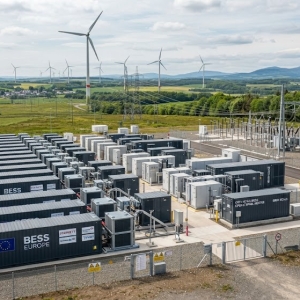
Generation redispatch can reduce output in constrained locations while increasing production elsewhere. Demand response can temporarily reduce consumption, and battery storage can shift electricity injection or withdrawal according to local requirements. Digital platforms can coordinate these resources and support decisions using real-time information.
The EU Grid Congestion Management Services Industry encompasses technology developers, flexibility aggregators, utilities, energy service providers, and asset owners participating in these activities.
Their commercial roles differ, but they share a common requirement: demonstrating that a service can deliver measurable value without compromising system security.
Digitalization and Better Forecasting
Modern congestion management increasingly depends on data. Network measurements, weather forecasts, generation schedules, and demand projections can help identify emerging constraints before they become operational problems.
Predictive analytics may improve estimates of renewable production and electricity consumption. Optimization platforms can then compare potential interventions and identify suitable resources based on cost, availability, and network impact.
Automation can accelerate decisions, but reliable deployment requires validated models, accurate asset information, and clear operational accountability. Cybersecurity measures must protect communications and prevent unauthorized access to critical systems.
Interoperability also matters. Network operators need systems that exchange information effectively across equipment vendors, market platforms, and different operational environments.
Commercial Models and Investment Requirements
Service providers may earn revenue through flexibility contracts, redispatch arrangements, platform licensing, optimization services, or other authorized market activities. These opportunities vary according to country, asset type, and procurement rules.
Investors should assess the strength of underlying demand, contract quality, operating costs, and competition. For storage projects, important variables include capital expenditure, charging efficiency, degradation, and permitted operating cycles. Software providers must demonstrate customer retention, reliable implementation, and recurring revenue potential.
Demand response businesses require effective customer acquisition, accurate measurement, and dependable delivery. Aggregators must also ensure that participating resources remain available when contractual commitments require them.
A diversified portfolio can reduce dependence on individual customers or revenue sources, provided each commitment remains operationally compatible.
Regulatory Coordination and Infrastructure Planning
European markets have different approaches to congestion procurement, network tariffs, flexibility qualification, and remuneration. These differences affect how quickly businesses can expand across borders.
Regulators can improve market participation through transparent procedures, appropriate incentives, and clear responsibilities between network operators. Coordination between transmission and distribution systems is especially important because an intervention at one level can influence constraints at another.
Policymakers should also recognize that flexibility cannot eliminate every infrastructure bottleneck. Long-term planning must balance operational solutions with investments in lines, substations, interconnectors, and other essential assets.
Outlook Through 2030
The coming years are likely to bring greater integration of digital monitoring, distributed storage, flexible demand, and automated optimization. Their contribution will depend on local grid requirements, technology costs, regulatory developments, and the availability of qualified service providers.
Businesses that combine technical reliability with a strong understanding of electricity market structures may be better positioned to capture opportunities. Investors should focus on proven customer demand, credible procurement mechanisms, and measurable congestion reduction.
Europe's electricity transition requires infrastructure expansion alongside more intelligent network operation. Congestion management services can help bridge these priorities by improving flexibility, supporting renewable integration, and enabling a more responsive and efficient electricity system.