

Electric Catamaran designs are attracting attention as the marine industry looks at new approaches to recreational travel and water transportation. For people who enjoy spending time on the water, the combination of electric propulsion and a twin hull structure offers an interesting alternative to conventional boating arrangements. From private coastal outings to commercial passenger services, these vessels are becoming part of conversations about changing customer expectations and marine technology.
One reason behind this interest is the way people use boats today. A vessel is no longer viewed only as transportation from one location to another. For many owners, it is also a place to relax, meet friends, enjoy a meal, or spend an afternoon watching the coastline. Commercial operators may have different priorities, but they also need a layout that supports comfortable passenger experiences.
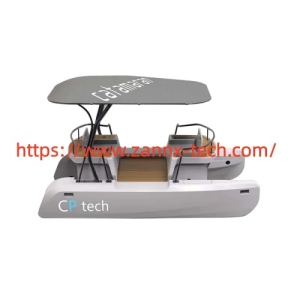
The twin hull configuration plays an important role in this discussion. Compared with many traditional single hull designs, two separated hulls can provide a wider platform and create additional deck space. Depending on the vessel dimensions and engineering, this arrangement may also contribute to stability under suitable operating conditions. The available space can be used for passenger seating, relaxation areas, storage, or onboard equipment.
Electric propulsion brings another interesting change. Battery-powered motors operate without direct exhaust emissions during use and can produce less operating noise than conventional fuel engines, depending on the system. This can be appealing in recreational areas where a quieter atmosphere is appreciated. It also introduces different maintenance and energy management considerations that buyers should understand before making a purchase.
Battery planning deserves particular attention. The required capacity depends on vessel weight, motor output, passenger load, cruising speed, water conditions, and intended travel distance. A boat designed for short trips around a marina may have very different requirements from one intended for longer coastal journeys. Buyers should ask manufacturers about realistic operating range, charging arrangements, and battery specifications rather than relying on general estimates.
There is also growing interest in integrating renewable energy into marine equipment. Solar panels can be installed on suitable roof structures or other available surfaces, depending on the design. They may provide supplementary energy for onboard systems or contribute to battery charging under appropriate conditions. However, solar output varies with sunlight, panel area, weather, and energy consumption. It should be considered as part of a broader power plan rather than an automatic replacement for conventional charging arrangements.
Comfort and functionality remain important when choosing a vessel. A spacious deck can create room for social activities, but the layout needs to make good use of available space. Seating positions, walkways, storage compartments, shade structures, and access points all influence how passengers experience a trip. Commercial buyers may also need to consider boarding arrangements, passenger capacity, and equipment placement.
Material selection is another part of the manufacturing process. Hull construction needs to reflect the intended operating environment, structural requirements, weight considerations, and maintenance expectations. Different materials involve different production methods and performance characteristics. Buyers should discuss these factors with suppliers and request clear information about construction specifications, surface treatment, and maintenance recommendations.
Not every customer has the same requirements. Private owners may want a comfortable layout for family outings, while resorts and tourism operators may need seating arrangements suitable for organized passenger trips. Some commercial projects may require additional storage, customized deck structures, or particular equipment installations. A flexible manufacturing process can help accommodate these differences when the requested changes are technically suitable.
For distributors and international buyers, supplier communication is an important part of the purchasing process. Product drawings, technical specifications, production schedules, inspection procedures, and shipping arrangements should be discussed before an order is confirmed. It is also useful to ask about replacement components and after-sales support, particularly when equipment will be used for commercial purposes.
Zannx focuses on marine equipment solutions for customers with different application requirements. When evaluating a vessel, buyers can discuss hull dimensions, propulsion configuration, battery arrangements, passenger layout, and possible customization with the manufacturer. Clear communication about the intended use helps establish realistic product expectations and supports a more practical purchasing decision.
The growing interest in electric marine technology reflects changing expectations around comfort, energy use, and recreational experiences. A well-planned vessel needs to bring together suitable engineering, practical deck arrangements, and a power system that matches its intended routes. For customers considering new marine equipment or customized manufacturing projects, Zannx provides product information and cooperation opportunities through https://www.zannx-tech.com/product/ where buyers can review available solutions and discuss their specific requirements.