
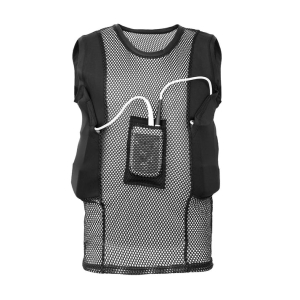
Protective clothing plays a critical role in influencing injury severity and survival outcomes in motorcycle accidents. Unlike enclosed vehicles, motorcyclists are directly exposed to external forces such as impact, abrasion, and environmental hazards. This exposure significantly increases the risk of severe injury during collisions. Protective gear—including vests, jackets, gloves, and helmets—is specifically engineered to mitigate these risks through material strength, impact absorption, and ergonomic design.
The importance of protective clothing is well-documented across traffic safety research, including data from sources such as the National Highway Traffic Safety Administration (NHTSA) and peer-reviewed injury prevention studies. These sources consistently demonstrate that appropriate gear reduces both the likelihood of fatal injuries and the overall severity of trauma.
This article provides an in-depth, fact-driven analysis of how protective clothing contributes to accident survival rates, focusing particularly on specialized garments such as the outlaw biker vest and denim motorcycle vest. It examines material science, design principles, real-world applications, and industry best practices.
Understanding the Mechanics of Motorcycle Injuries
Impact Forces and Energy Transfer
In a motorcycle accident, the human body absorbs kinetic energy directly. Protective clothing functions as a secondary barrier that redistributes and dissipates this energy. Materials such as leather, reinforced denim, and textile composites are engineered to:
- Reduce peak impact force
- Increase energy absorption duration
- Prevent direct contact with hard surfaces
Abrasion Resistance
One of the most common injuries in motorcycle accidents is road rash, caused by sliding across asphalt. Protective garments are rated based on abrasion resistance, typically measured in seconds of sustained friction before material failure. High-quality gear significantly extends this threshold.
Environmental Protection
Protective clothing also shields riders from environmental hazards such as debris, weather conditions, and thermal exposure. These factors can indirectly influence survival by affecting rider control and post-accident condition.
Key Protective Garments and Their Role
Outlaw Biker Vest: Structural Protection and Utility
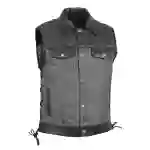
The outlaw biker vest is designed to provide both protection and functionality. Typically constructed from heavy-duty leather or reinforced materials, it serves multiple purposes:
- Abrasion Resistance: Leather offers superior resistance against sliding injuries.
- Impact Buffering: While not a substitute for armored jackets, thick leather adds a layer of impact mitigation.
- Storage Utility: Secure pockets allow riders to carry essential items safely without compromising balance.
For example, a professionally designed outlaw biker vest integrates reinforced stitching, concealed carry pockets, and durable closures, enhancing both safety and practicality.
Denim Motorcycle Vest: Lightweight Protection with Reinforcement
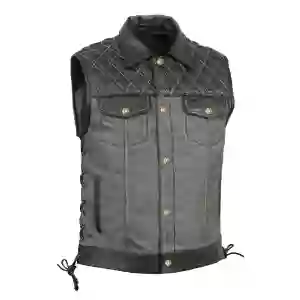
The denim motorcycle vest provides a balance between comfort and protection, especially in warmer climates. Modern versions incorporate advanced textile engineering:
- Reinforced Panels: Kevlar or aramid fiber linings increase abrasion resistance.
- Breathability: Denim allows airflow, reducing heat stress and fatigue.
- Layering Capability: Often worn over armored base layers for enhanced protection.
A high-quality denim motorcycle vest demonstrates how traditional materials can be upgraded for safety through reinforcement technologies.
Material Science Behind Protective Clothing
Leather
Leather remains one of the most widely used materials in motorcycle gear due to its:
- High abrasion resistance
- Natural flexibility
- Durability under stress
Reinforced Textiles
Modern protective clothing often incorporates:
- Kevlar (aramid fibers): High tensile strength and heat resistance
- Cordura: Enhanced tear and abrasion resistance
- Mesh composites: For ventilation without sacrificing durability
Impact Armor Integration
Advanced garments include CE-rated armor inserts at critical points such as shoulders, spine, and chest. While vests may not always include armor, they are often designed to accommodate it.
Data-Backed Insights on Survival Rates
Research indicates that:
- Proper protective gear can reduce the risk of severe injury by up to 30–50%, depending on accident conditions.
- Abrasion-resistant clothing significantly lowers the incidence of soft tissue injuries.
- Riders wearing full protective gear have a higher probability of avoiding hospitalization.
Studies published in journals such as Injury Prevention and reports from traffic safety authorities consistently support these findings.
Real-World Applications
Urban Riding
In city environments, where collisions often occur at lower speeds but higher frequency, protective clothing reduces minor injuries that can escalate without proper gear.
Highway Riding
At higher speeds, the role of abrasion resistance becomes critical. Protective vests act as an additional layer when combined with jackets and armor systems.
Long-Distance Touring
Comfort and fatigue management are essential. Lightweight options like denim motorcycle vests help maintain rider endurance while still offering protection.
Expert Insights & Best Practices
Layering Strategy
Professionals recommend a layered approach:
- Base layer (moisture-wicking)
- Armor layer (impact protection)
- Outer layer (abrasion resistance)
Vests—both leather and denim—function effectively as outer or mid-layers.
Proper Fit
Ill-fitting gear reduces effectiveness. A vest should:
- Sit snugly without restricting movement
- Cover critical torso areas
- Remain stable during motion
Material Selection Based on Riding Conditions
- Leather for high-speed or long-distance riding
- Reinforced denim for urban or warm-weather use
Regular Inspection and Maintenance
Protective clothing must be routinely checked for:
- Material degradation
- Stitching integrity
- Hardware functionality
Common Mistakes and Misconceptions
Vests Provide No Real Protection
While vests do not replace full armored jackets, they significantly contribute to abrasion resistance and layering systems.
Denim Is Not Protective
Standard denim offers minimal protection, but reinforced denim motorcycle vests are engineered for safety.
Comfort Should Be Prioritized Over Safety
Comfort and safety are not mutually exclusive. Modern gear integrates both through advanced design.
Protective Gear Is Only Necessary for Long Rides
Accidents frequently occur during short trips. Protective clothing is essential at all times.
Conclusion
Protective clothing is a critical determinant in motorcycle accident survival rates. By reducing impact forces, preventing abrasion injuries, and enhancing overall rider safety, well-designed gear significantly improves outcomes in real-world scenarios. Garments such as the outlaw biker vest and denim motorcycle vest demonstrate how specialized apparel contributes to both protection and functionality when integrated into a comprehensive safety strategy.
Adhering to industry best practices—such as proper layering, material selection, and regular maintenance—ensures that protective clothing performs as intended. As motorcycle safety research continues to evolve, the importance of high-quality gear remains a constant and essential factor in reducing injury severity and saving lives.
FAQs
1. How does protective clothing improve survival rates?
Protective clothing reduces injury severity by absorbing impact forces and preventing direct abrasion, which improves overall survival outcomes.
2. Are leather vests more protective than denim vests?
Leather generally offers higher abrasion resistance, but reinforced denim can provide comparable protection when engineered with advanced materials.
3. Can a vest replace a full motorcycle jacket?
No. Vests are supplementary and should be used as part of a layered protective system.
4. What is the most important feature in a motorcycle vest?
Abrasion resistance, proper fit, and durable construction are the most critical features.
5. Do protective vests include armor?
Some do, but many are designed to be worn over or under armored layers.
6. How often should protective clothing be replaced?
Replacement depends on wear and damage, but regular inspection is essential to ensure continued effectiveness.
7. Is reinforced denim suitable for high-speed riding?
It can be, but it is generally more suitable for moderate-speed environments unless combined with additional protective layers.