
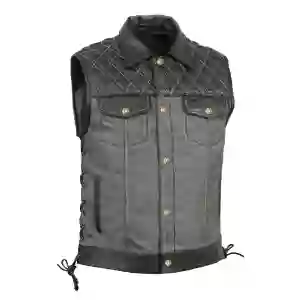
Within the Motorcycle Apparel & Protective Gear Industry, the denim motorcycle vest holds a distinctive position as both a functional garment and a cultural symbol. In regions with strong riding communities such as Baltimore, USA, it is widely recognized as a practical alternative to heavier outerwear while still preserving the visual identity associated with biker culture.
The biker vest has evolved beyond simple utility into a structured expression of individuality, club affiliation, and riding lifestyle. A mens denim vest, in particular, offers flexibility in styling, adaptability across climates, and compatibility with layered protective systems. This article examines professional styling approaches, real-world applications, and industry-backed best practices for optimizing both appearance and function.
The Cultural and Functional Role of Denim Vests
Motorcycle culture, as documented in Wikipedia, is deeply rooted in identity expression and group symbolism. Within this culture, the denim vest is commonly used as a “cut,” serving as a display surface for patches, artwork, and personal insignia.
From a functional standpoint, the denim motorcycle vest provides breathable layering, moderate abrasion resistance, and seasonal adaptability. Unlike rigid protective gear, it supports mobility and customization, making it a preferred option for riders who prioritize versatility in everyday riding environments.
Core Styling Principles for Mens Denim Motorcycle Vests
Fit as a Structural Foundation
Proper fit is the most critical styling factor. A well-designed biker vest should sit close to the torso without restricting movement, particularly around the shoulders and armholes. Industry practice emphasizes maintaining a waist-level length to preserve riding posture balance and avoid fabric interference during motion.
Layering as a Functional Styling System
Layering defines how a denim vest performs in real-world riding conditions. It is commonly worn over hoodies, flannel shirts, or lightweight armored jackets. Each configuration serves a different purpose, whether it is thermal adaptation, protection enhancement, or visual layering for aesthetic identity.
Color Selection and Visual Identity
Denim wash significantly influences styling direction. Dark indigo creates a clean, structured appearance suitable for modern riders, while mid-wash denim offers versatility across casual and semi-formal riding contexts. Black denim remains strongly associated with traditional biker identity, whereas distressed finishes reflect a more rugged, lived-in character.
Customization and Patch Integration
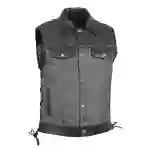
Customization is a defining feature of the biker vest, particularly in club-oriented environments. Patch placement typically follows an informal hierarchy, where the back panel is reserved for dominant identity markers, while chest areas display names, ranks, or smaller insignias.
One professionally recognized example of structured customization can be seen in modern retail collections such as the denim motorcycle vest, which reflect standardized panel layouts designed for patch application and rider personalization.
In practice, customization should be balanced carefully to avoid overcrowding, as excessive patchwork can reduce visual clarity and compromise structural durability.
Real-World Styling Applications
In urban riding environments, denim vests are often styled with minimal patching and layered over lightweight hoodies for a clean, functional appearance. Touring riders typically prioritize durability and comfort, combining reinforced denim with long-distance riding gear systems.
Within motorcycle clubs, styling becomes more regulated, with emphasis placed on consistency, symbolic alignment, and proper placement of identifying patches. These differences highlight how the same garment adapts across distinct riding contexts.
Benefits and Limitations of Denim Motorcycle Vests
The denim motorcycle vest offers several advantages, including breathability, styling versatility, and affordability compared to leather alternatives. It is also widely adaptable across casual and semi-formal riding environments.
However, it also presents limitations. Denim provides less abrasion resistance than leather or armored textiles and offers limited protection against harsh weather conditions. As a result, it is generally best suited for moderate riding environments or layered protective systems.
Expert Insights and Industry Best Practices
Industry professionals emphasize a structured approach to vest selection and styling. Heavier denim weights, typically ranging between 12 and 16 ounces, are preferred for improved durability. Reinforced stitching and optional Kevlar lining are commonly recommended for riders seeking enhanced protection.
From a styling perspective, professionals advocate starting with a neutral base vest and gradually building customization elements over time. This ensures that both identity expression and functional integrity remain balanced throughout the vest’s lifecycle.
Common Mistakes and Misconceptions
One of the most frequent mistakes is over-customization, where excessive patches compromise both aesthetics and garment integrity. Another common issue is selecting oversized vests that disrupt riding ergonomics and reduce layering efficiency.
A further misconception is treating the biker vest purely as a fashion accessory. In motorcycle culture, styling choices often carry symbolic meaning, and ignoring these conventions can lead to misinterpretation within riding communities.
Conclusion
The mens denim vest remains a core element of motorcycle culture, combining adaptability, identity expression, and functional layering capability. When styled correctly, it enhances both visual presence and riding practicality.
However, achieving optimal results requires attention to fit, material selection, customization discipline, and cultural awareness. By applying structured styling principles and avoiding common mistakes, riders can ensure their biker vest serves both aesthetic and functional purposes within real-world riding conditions.
FAQs
What makes a denim motorcycle vest different from a casual denim vest?
A denim motorcycle vest is designed with riding functionality in mind, often featuring reinforced stitching, structured fits, and compatibility with protective layering systems.
Is a biker vest suitable for highway riding?
It is suitable for casual and moderate-speed riding but requires reinforcement or layering with protective gear for highway conditions.
How should a denim vest fit over riding gear?
It should allow full arm mobility and sit comfortably over jackets without restricting movement or compressing inner layers.
Why is patch placement important on a biker vest?
Patch placement communicates identity, affiliation, and hierarchy within motorcycle culture and often follows established conventions.
Can denim vests be worn in all seasons?
Yes, but seasonal adjustments are required, including thermal layering in winter and breathable fabrics in summer.
What is the difference between denim and leather vests in motorcycle use?
Leather provides higher abrasion resistance, while denim offers greater flexibility, breathability, and customization options.
Are black denim vests more popular in biker communities?
Yes, black denim is strongly associated with traditional motorcycle aesthetics and remains widely preferred.
References
- Wikipedia – Overview of motorcycle culture and its historical development
- Textile engineering research on abrasion resistance and garment durability in protective apparel
- Industry best practices from motorcycle gear manufacturing standards and rider safety guidelines