

Hot weather training places significant physiological stress on the human body due to increased heat load, sweat production, and cardiovascular demand. Clothing, particularly training shorts, plays a critical role in regulating thermoregulation, maintaining comfort, and supporting athletic performance. In professional sports science and strength conditioning environments, apparel selection is treated as a performance factor rather than a stylistic choice.
Choosing appropriate training shorts for hot climates involves evaluating breathability, moisture management, fabric construction, mobility support, and durability under sweat-intensive conditions. This guide provides a structured, evidence-informed breakdown of how training shorts should be selected for optimal performance in high-temperature environments.
Importance of Breathability and Fabric Selection
Breathability refers to a fabric’s ability to allow air circulation and moisture vapor escape. In hot weather, breathable textiles reduce heat retention and minimize the risk of overheating.
Common high-performance materials include:
- Polyester blends: Lightweight, quick-drying, and widely used in athletic wear
- Nylon fabrics: Durable with smooth texture and good moisture resistance
- Elastane (Spandex) blends: Provide stretch for dynamic movement
In exercise physiology contexts, moisture-wicking fabrics are preferred because they transfer sweat away from the skin, reducing evaporative heat buildup and friction-related discomfort.
Reference:
Key Design Features in Hot Weather Training Shorts
1. Ventilation Zones
High-quality training shorts often include mesh panels or perforated zones in heat-prone areas such as the inner thigh or back panel. These features enhance airflow and reduce localized heat accumulation.
2. Lightweight Construction
Reduced fabric density minimizes heat retention. Professional-grade athletic shorts prioritize gram-per-square-meter (GSM) optimization to balance durability and cooling.
3. Moisture Management Systems
Modern performance shorts incorporate hydrophobic fibers that accelerate drying time, preventing sweat saturation during prolonged workouts.
4. Anti-Chafing Design
Flatlock seams and ergonomic cuts reduce skin irritation during repetitive motion activities such as running, squatting, or plyometrics.
Material Technologies in Modern Training Apparel
Athletic apparel engineering has evolved to integrate performance-driven textile technologies:
- Hydrophobic fiber treatments: Improve sweat dispersion
- Micro-mesh weaving: Enhances ventilation without compromising structure
- Compression hybrid panels: Support muscle stability in strength training contexts
- Thermal regulation fabrics: Adapt to body heat output during exercise intensity fluctuations
These technologies are widely used in competitive sportswear manufacturing to improve endurance comfort and reduce thermal strain.
Fit and Mobility Considerations
Athletic Fit vs. Loose Fit
- Athletic fit: Common in strength training; supports controlled movement and reduces fabric interference
- Loose fit: Preferred in high-cardio environments for improved airflow and cooling efficiency
Proper fit directly impacts biomechanical efficiency. Restricted movement can alter exercise form and increase injury risk during compound lifts or explosive movements.
Climate-Specific Training Adaptations
In hot and humid climates, apparel selection becomes more critical due to reduced natural sweat evaporation rates. Key considerations include:
- Prioritizing ultra-light fabrics
- Avoiding heavy cotton blends that retain moisture
- Choosing light colors to reflect solar radiation
- Ensuring rapid-dry performance properties
These adaptations are commonly applied in endurance sports and outdoor training programs where heat stress is a limiting factor.
Expert Best Practices for Choosing Training Shorts
Professionals in sports conditioning and athletic apparel development typically follow these selection principles:
- Select shorts with verified moisture-wicking performance ratings
- Prioritize ergonomic seam placement for reduced friction zones
- Match short length to training type (shorter for cardio, moderate length for strength training)
- Evaluate waistband stability to prevent slippage during dynamic movement
- Test fabric stretch recovery to ensure long-term structural integrity
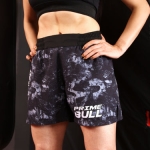
For example, strength athletes often prefer structured designs such as mens bodybuilding shorts that provide stability during heavy resistance training while still supporting thermal regulation.
Similarly, female athletes in high-temperature environments often select lightweight, breathable designs such as girls gym shorts, which prioritize ventilation and unrestricted movement during cardio or hybrid training sessions.
Common Mistakes and Misconceptions
1. Choosing Cotton-Based Shorts for Intense Training
Cotton absorbs sweat but does not efficiently release moisture, increasing heat retention and discomfort.
2. Overlooking Fit in Favor of Aesthetics
Improper fit can restrict movement and reduce exercise efficiency.
3. Ignoring Climate Conditions
Shorts designed for temperate climates may underperform in extreme heat.
4. Confusing Compression with Tightness
Compression wear is engineered for muscle support, whereas overly tight garments without proper design can restrict circulation.
Conclusion
Selecting appropriate training shorts for hot weather is a performance-driven decision grounded in material science, biomechanics, and environmental adaptation. Effective shorts enhance thermoregulation, reduce fatigue caused by heat stress, and support unrestricted movement across different training modalities. By focusing on breathable fabrics, ergonomic construction, and climate-appropriate design features, athletes can maintain consistent performance even under demanding temperature conditions.
FAQs
1. What fabric is best for hot weather training shorts?
Polyester and nylon blends with moisture-wicking properties are widely considered optimal due to their quick-dry and breathable characteristics.
2. Are tight shorts better for hot weather workouts?
Not necessarily. Performance depends on fabric and ventilation. Moderate compression may support muscles, but airflow is equally important.
3. How does moisture-wicking technology work?
It uses hydrophobic fibers that pull sweat away from the skin and distribute it across the fabric surface for faster evaporation.
4. What length is ideal for training shorts in heat?
Shorter lengths generally improve ventilation, but the ideal length depends on activity type and mobility requirements.
5. Why are mesh panels important?
Mesh zones increase airflow and help regulate body temperature during high-intensity exercise.
6. Can poor-quality shorts affect performance?
Yes. Heat retention, chafing, and restricted movement can reduce endurance and strength output.
7. Are lightweight shorts always better?
Not always. Lightweight materials must still maintain durability and structural integrity during movement.